




ຫຼັງຈາກການປະຕິບັດພາລະກິດ ໄດ້ 20 ປີ, ຍານອະວະກາດ Cassini ແມ່ນກຳລັງ
ກຽມພ້ອມບິນດິ່ງລົງໃສ່ດາວເສົາ ຫລື Saturn ເປັນຄັ້ງສຸດທ້າຍ. ບັນດານັກວິທະຍາ
ສາດ ແລະ ນັກວິສະວະກອນ ທັງຫຼາຍທີ່ຫ້ອງວິໄຈແຮງຂັບເຄື່ອນຈະຫຼວດຂອງອົງ
ການ NASA ໄດ້ ກ່າວວ່າ ການຕັດສິນໃຈ ທີ່ຈະປິດຊີວິດຂອງຍານອະວະກາດໃນວິທີ
ນີ້ ແມ່ນຍ້ອນສິ່ງທີ່ເຂົາເຈົ້າໄດ້ຄົ້ນພົບ ໃນລະຫວ່າງ ການປະຕິບັດພາລະ ກິດ ທີ່ເປັນສ່ວນປະກອບຂອງສິ່ງທີ່ມີຊີວິດ ໃນເດືອນບາງໜ່ວຍ ຂອງ ດາວເສົານັ້ນ. ນັກຂ່າວວີໂອ
ເອ Elizabeth Lee ມີລາຍງານຈາກ ຫ້ອງວິໄຈແຮງຂັບເຄື່ອນຈະຫຼວດໃກ້ກັບນະຄອນ
Los Angeles. ໃນອັນດັບຕໍ່ໄປ ພຸດທະສອນ ຈະນຳລາຍລະອຽດມາສະເໜີທ່ານ.
ການປະຕິບັດພາລະກິດຂອງຍາອະວະກາດ Cassini ຢູ່ທີ່ດາວ ເສົາ ແລະ ການສຶກສາ
ກ່ຽວກັບ ລະບົບວົງແຫວນ ແລະເດືອນຂອງດາວດັ່ງກ່າວ ໄດ້ນຳເອົາສິ່ງທີ່ພວກເຮົາບໍ່
ຄາດຄິດ ມາເປີດເຜີຍໃຫ້ຮູ້.
ທ່ານນາງ Morgan Cable ຜູ້ຊ່ວຍວິສະວະກອນ ໂຄງການລະບົບວິທະຍາສາດກ່າວ
ວ່າ “ໃນເວລາທີ່ມີການອອກແບບນັ້ນ, ພວກເຮົາບໍ່ໄດ້ຮູ້ເລີຍວ່າ ມະຫາສະໝຸດຕ່າງໆ
ແມ່ນມີຢູ່ແທ້ຢູ່ນອກອອກໄປ ຂອງລະບົບສຸລິຍະຈັກກະວານ.”
ມະຫາສະໝຸດພວກນີ້ ອາດໝາຍເຖິງສິ່ງທີ່ມີຊີວິດກໍເປັນໄດ້. ການຄົ້ນພົບທີ່ບໍ່ຄາດຄິດ
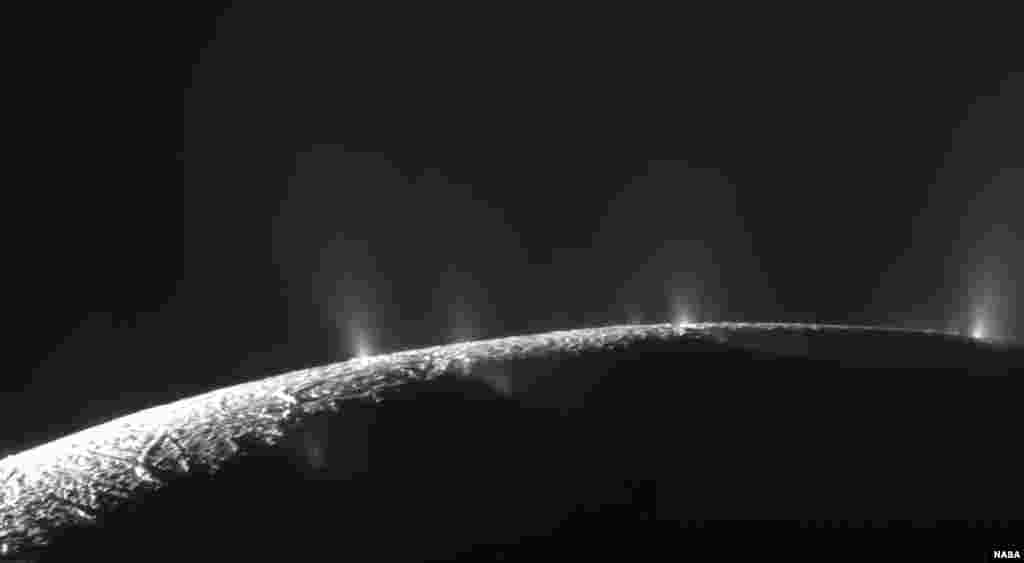
ແມ່ນມີຂຶ້ນ ໃນເຂດຂົ້ວໃຕ້ຂອງເດືອນ Enceladus, ເຊິ່ງເປັນໜຶ່ງໃນວົງແຫວນຂອງ
ດາວເສົາ.
ທ່ານນາງ Molly Bittner ນັກວິສະວະກອນລະບົບປະຕິບັດການຍານອະວະກາດ ໄດ້
ກ່າວວ່າ “ມັນມີມະຫະສະໝຸດນໍ້າແຫຼວຢູ່ທາງກ້ອງແລະ ມັນສົ່ງນໍ້າພຸຮ້ອນ ແລະ ຮອຍ
ແຕກພວກນີ້ ກໍເປີດອອກ ແລະ ສົ່ງນໍ້າພຸຮ້ອນຂຶ້ນມາ.”
ເຄື່ອງມືຂອງຍານ Cassini ສາມາດຈັບໄດ້ອາຍແກັສທີ່ອອກມາຈາກອາຍນໍ້າພຸຮ້ອນ
ດັ່ງກ່າວນັ້ນ.
ທ່ານນາງ Morgan Cable ກ່າວວ່າ “ພວກເຮົາຮູ້ວ່າມັນມີເກືອ. ເວລານີ້ມັນມີຄວາມ
ສຳຄັນສຳລັບສິ່ງທີ່ມີຊີວິດ ເພາະວ່າຊີວິດຕ້ອງການແຮ່ທາດ ແລະ ເກືອບາງຢ່າງ. ພວກ
ເຮົາມີຫຼັກຖານທີ່ໜັກແໜ້ນວ່າ ມັນມີຊ່ອງນໍ້າຮ້ອນລົງໄປໃນກົ້ນຂອງມະຫາສະໝຸດ,
ເຊິ່ງເປັນອາຫານຂອງມະຫາສະໝຸດ. ປັດຈຸບັນນີ້ ທຸກໆເທື່ອເຈົ້າເຫັນຊ່ອງນໍ້າຮ້ອນຢູ່
ເທິງໂລກເຮົານີ້, ເຈົ້າກໍຈະພົບເຫັນຊຸມຊົນຂອງສິ່ງທີ່ມີຊີວິດຈຳນວນຫຼາຍ.”
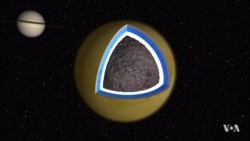
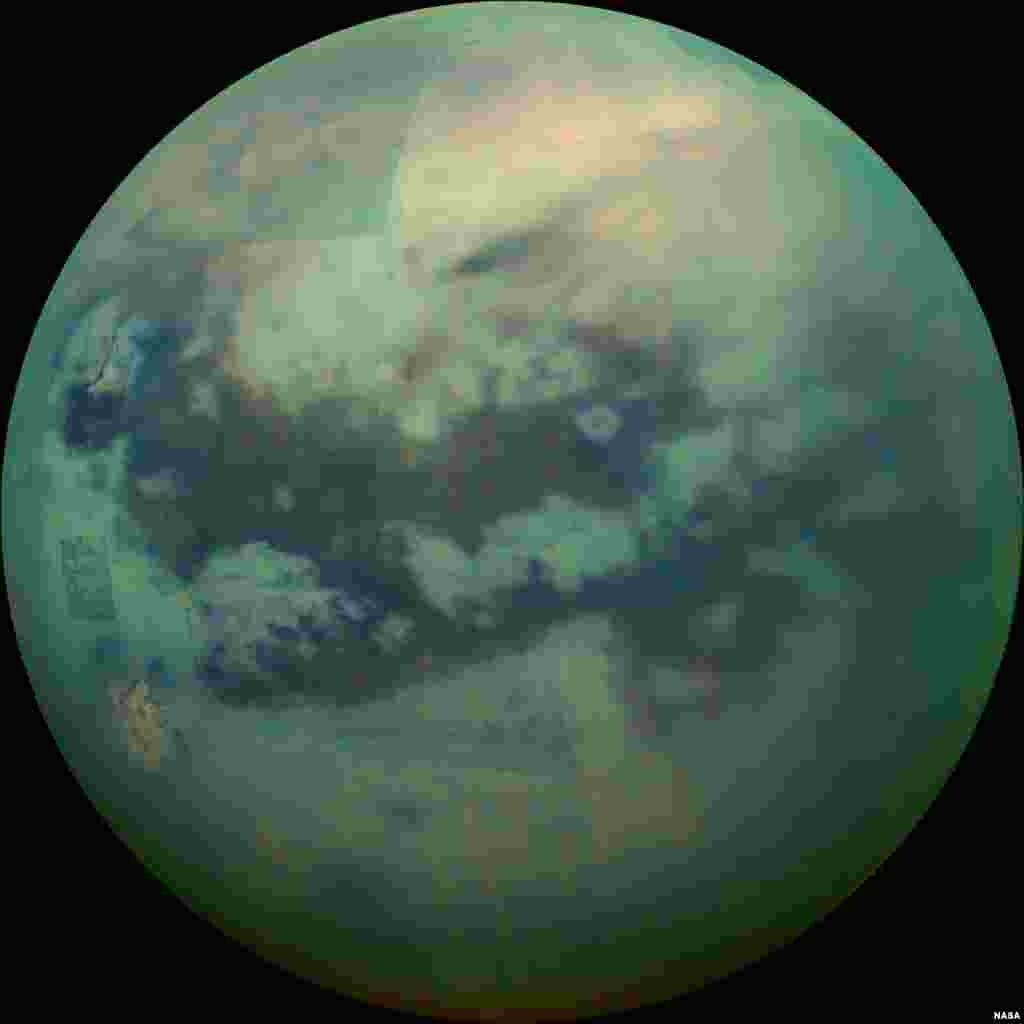
ຍານ Cassini ຍັງໄດ້ເກັບກຳຂໍ້ມູນຈາກເດືອນທີ່ໃຫຍ່ທີ່ສຸດຂອງດາວເສົາຊື່ວ່າ Titan
ອີກດ້ວຍ ເຊິ່ງມີໜອງ ແລະ ທະເລທີ່ເປັນທາດ Methane ແລະ Ethane ທີ່ເປັນຂອງ
ແຫຼວແທນທີ່ຈະແມ່ນນໍ້າ. ມັນຍັງມີຫຼັກຖານ ກ່ຽວກັບ ມະຫາສະໝຸດຂອງແຫຼວຢູ່ກ້ອງ
ພື້ນດິນ ທີ່ອາດຈະມີສານ Ammonia ແລະ ນໍ້າ. ບັນດານັກວິທະຍາສາດ ແລະ ວິສະ
ວະກອນກ່າວວ່າ ສິ່ງແວດລ້ອມດັ່ງກ່າວ ອາດປະຄອງສິ່ງທີ່ມີຊີວິດໄດ້.
ທ່ານ Morgan Cable ກ່າວວ່າ “ພວກເຮົາຍັງມີໂອກາດທີ່ຈະພະຍາຍາມຊອກຫາສິ່ງ
ທີ່ມີຊີວິດທີ່ແປກໃນສະຖານທີ່ຄືແນວນີ້ ແລະ ພວກເຮົາໄດ້ຄົ້ນພົບສະຖານທີ່ໆແປກຢູ່
ບ່ອນນີ້ ໃນລະບົບສຸລິຍະຈັກກະວານ ຂອງພວກເຮົາ.”
ສຳລັບວິທີທີ່ຈະທຳລາຍຍານ Cassini ນັ້ນ, ເຊິ່ງຕອນນີ້ມັນກຳລັງຈະໝົດເຊື້ອໄຟ
ແມ່ນສິ່ງໜຶ່ງທີ່ບັນດານັກວິທະຍາສາດ ແລະ ນັກວິສະວະກອນທັງຫຼາຍກຳລັງພະຍາ
ຍາມທີ່ຈະຄົ້ນຄິດ. ໃນເມື່ອເຂົາເຈົ້າບໍ່ຢາກໃຫ້ສິ່ງທີ່ມີຊີວິດໃດໆຈາກໂລກທີ່ອາດຕິດ
ຢູ່ຍານ Cassini ໄປປົນເປື້ອນຢູ່ເດືອນທີ່ອາດມີສິ່ງທີ່ມີຊີວິດນັ້ນ.
ທ່ານ Morgan Cable ກ່າວວ່າ “ຂ້າພະເຈົ້າຢາກຊອກຫາສິ່ງທີ່ມີຊີ ວິດຢູ່ບ່ອນອື່ນ ຄື
ເດືອນ Enceladus ແຕ່ຂ້າພະເຈົ້າບໍ່ຢາກຮູ້ພາຍຫຼັງ ກ່ຽວກັບ ສິ່ງທີ່ເຮົາໄດ້ເອົາໄປປະ
ໄວ້ທີ່ນັ້ນ.”
ບັນດານັກວິທະຍາສາດ ແລະ ນັກວິສະວະກອນ ໄດ້ວາດພາບ ກ່ຽວກັບ ການກັບໄປປະ
ຕິບັດພາລະກິດຢູ່ທີ່ດາວເສົາ ແລະ ເດືອນຂອງມັນໃນອະນາຄົດ ເພື່ອທຳການຄົ້ນຫາ
ສິ່ງທີ່ອາດມີຊີິວິດລົງເລິກກວ່າເກົ່າ.
ທ່ານນາງ Morgan Cable ກ່າວວ່າ “ຂ້າພະເຈົ້າຄິດວ່າ ການໃຊ້ເຄື່ອງມືຂອງທຸກມື້ນີ້,
ແລະ ສິ່ງຕ່າງໆທີ່ເຮົາສາມາດເອົາຂຶ້ນໄປໃນຍານ ອະວະກາດໃນຕອນນີ້, ພວກເຮົາ
ແມ່ນສາມາດທີ່ຈະຄົ້ນພົບສິ່ງທີ່ມີຊີວິດນັ້ນ ດ້ວຍເຄື່ອງມືຂອງພວກເຮົາໃນປັດຈຸບັນນີ້.”
ເບິ່ງຄືວ່າ ຈຸດຈົບຂອງຍານ Cassini ຈະເປັນການບິນດິ່ງລົງໄປ ໃນຊັ້ນບັນຍາກາດ
ຂອງດາວເສົາ ແລະ ສົ່ງຂໍ້ມູນທີ່ສຳຄັນກັບສູ່ໂລກຈົນເຖິງວິນາທີສຸດທ້າຍ. ຂໍ້ມູນຂອງ
ມັນຈະຖືກນຳມາສຶກສາ ແລະ ວິເຄາະ ໂດຍບັນດານັກວິທະຍາສາດເປັນເວລາດົນ
ນານຫຼັງຈາກຍານ Cassini ໄດ້ສິ້ນສຸດພາລະກິດຂອງມັນ.
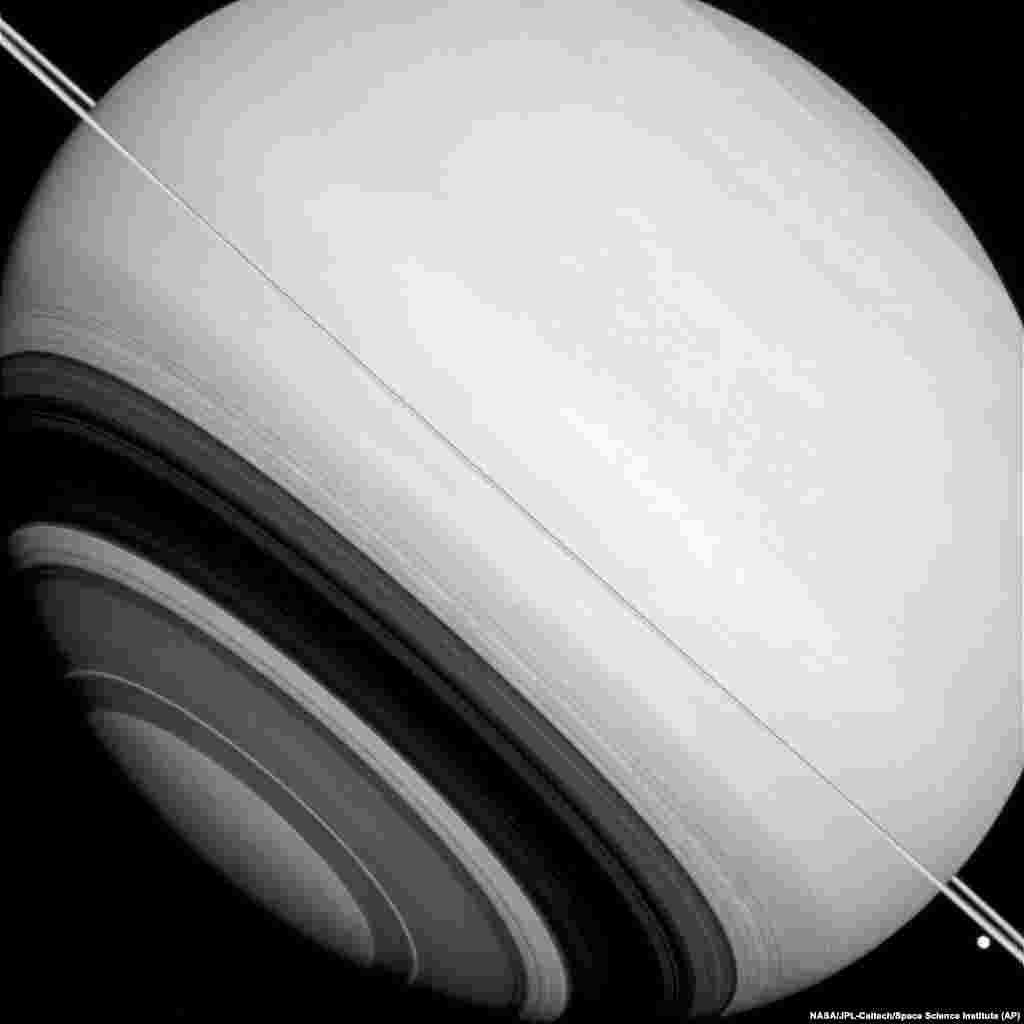
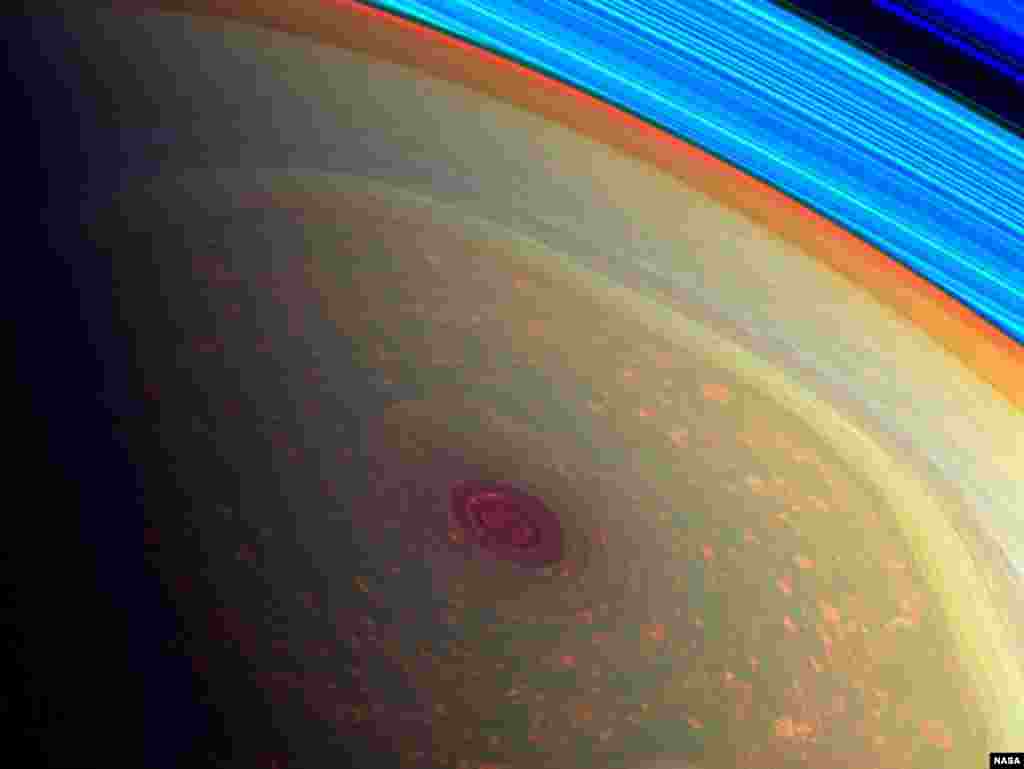
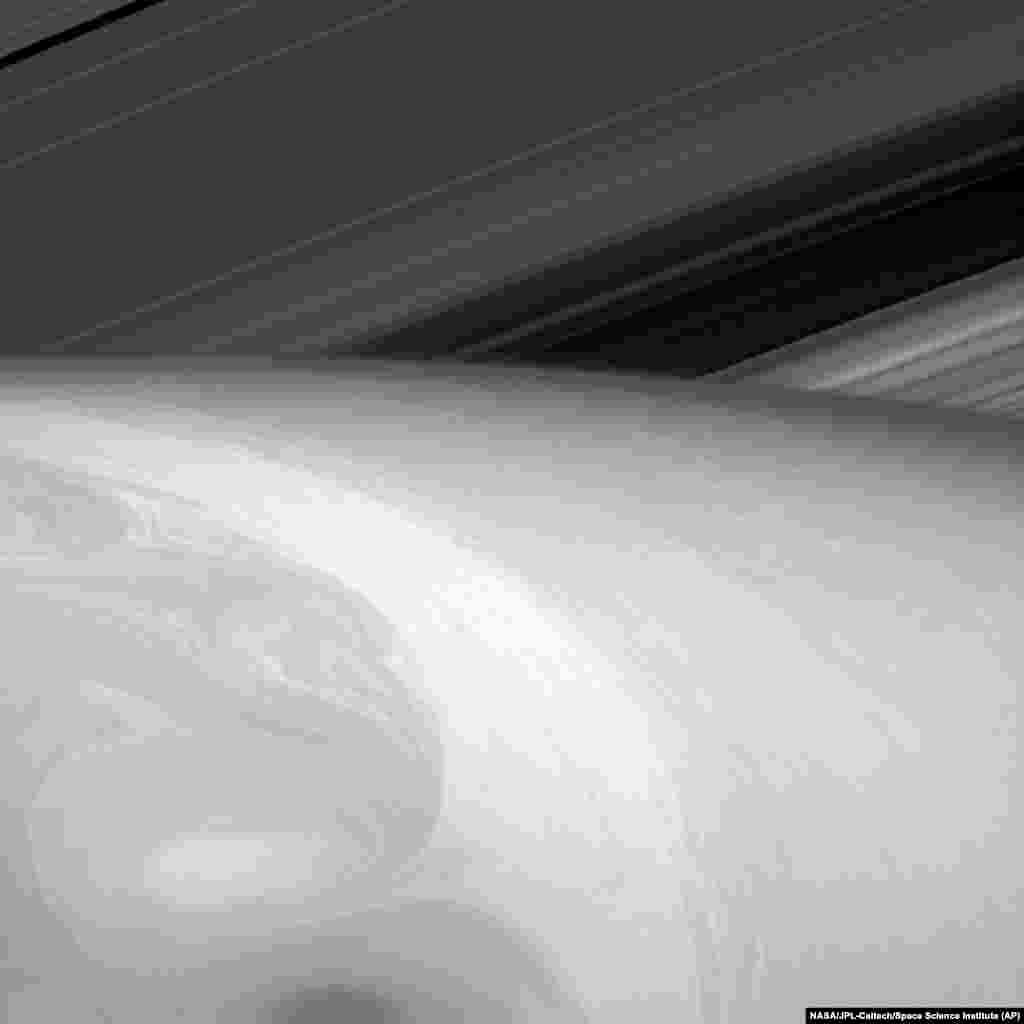
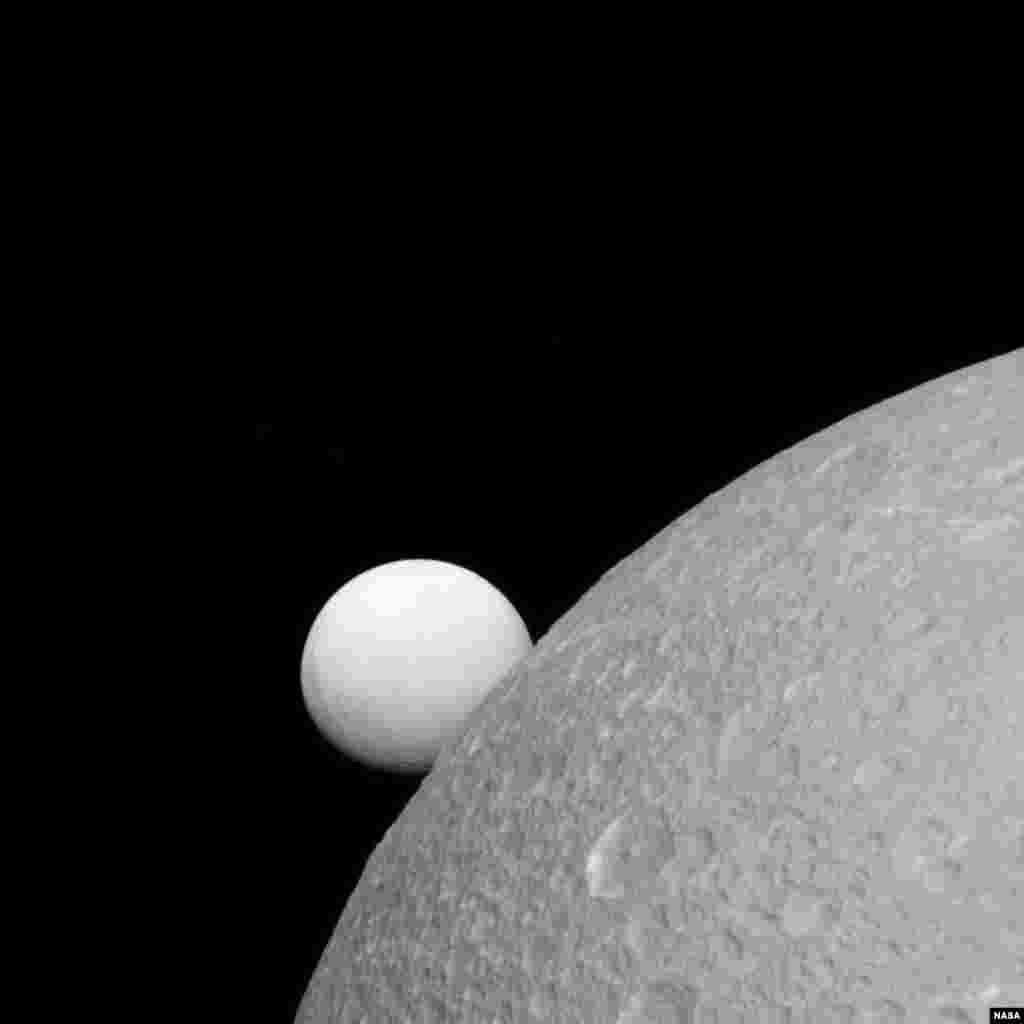
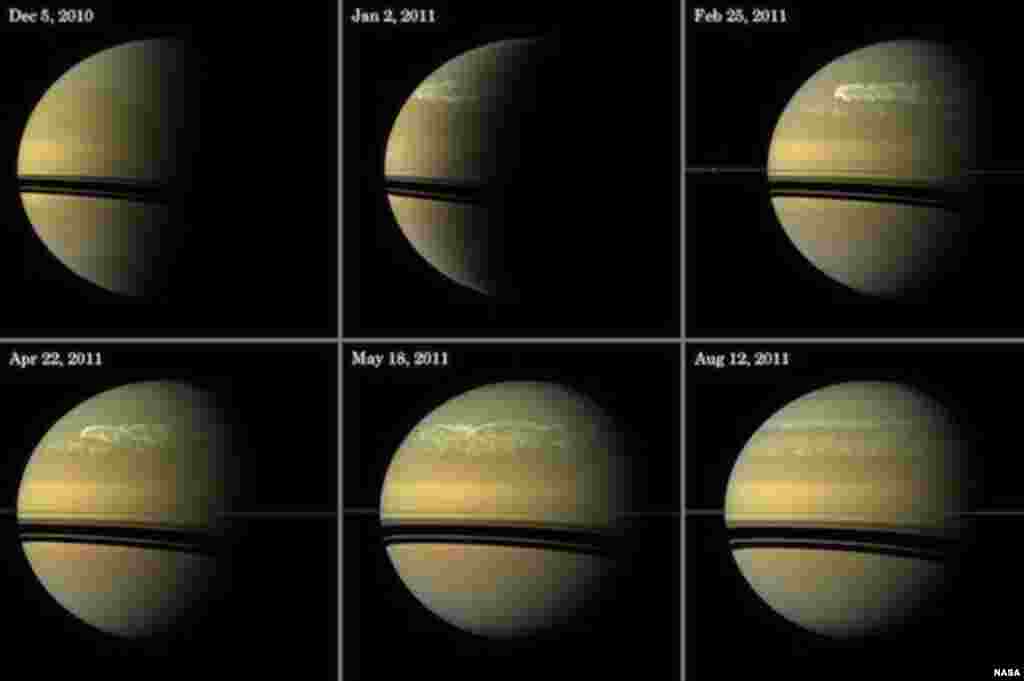
ຮູບວົງແຫວນ ແລະເດືອນ ຂອງດາວເສົາ ຖ່າຍໂດຍຍານ Cassini


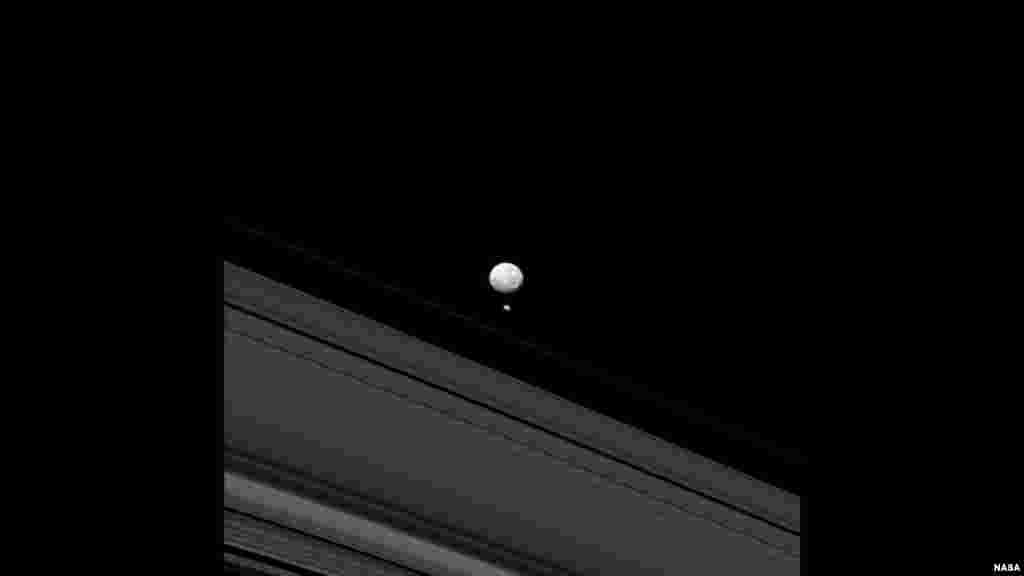
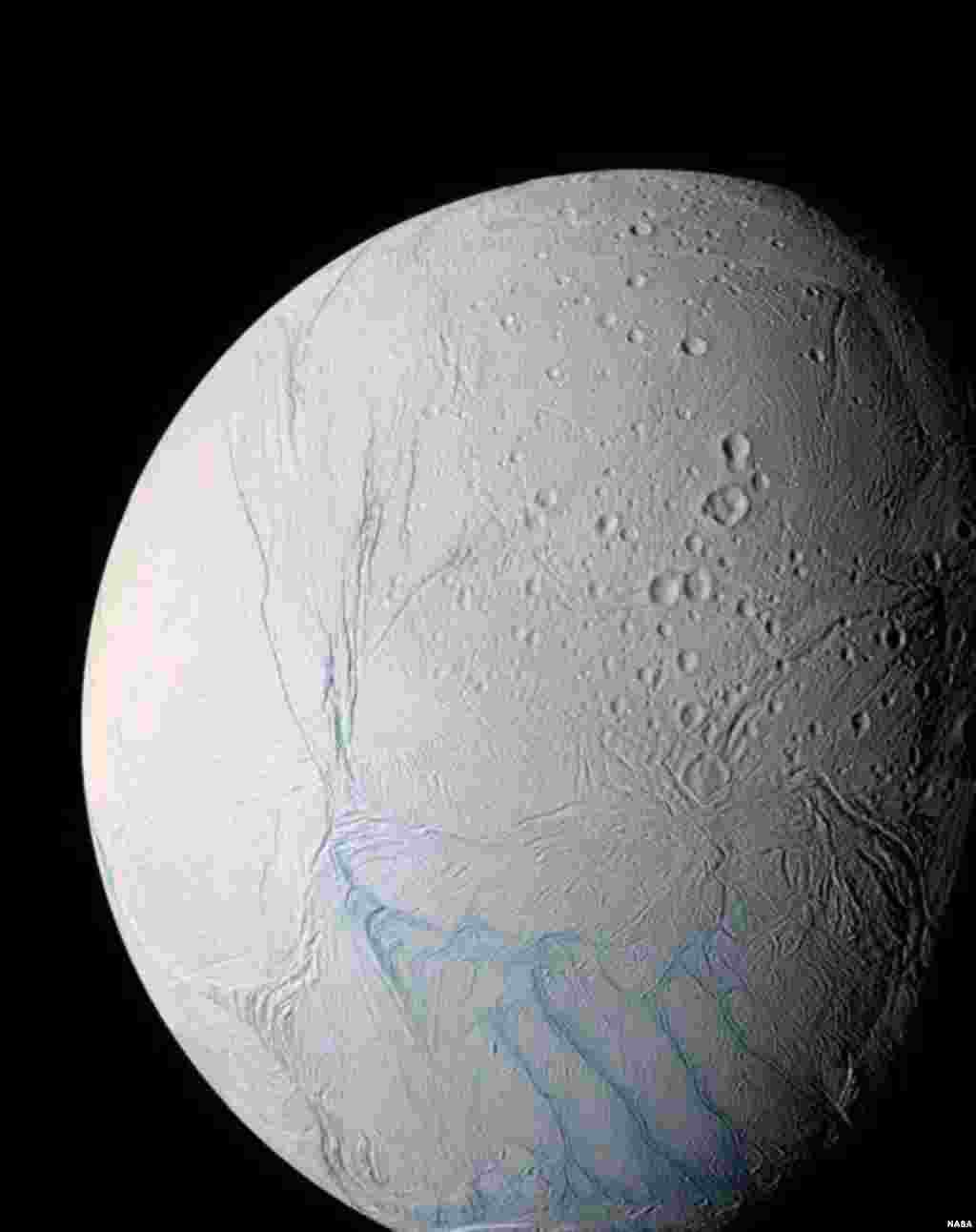
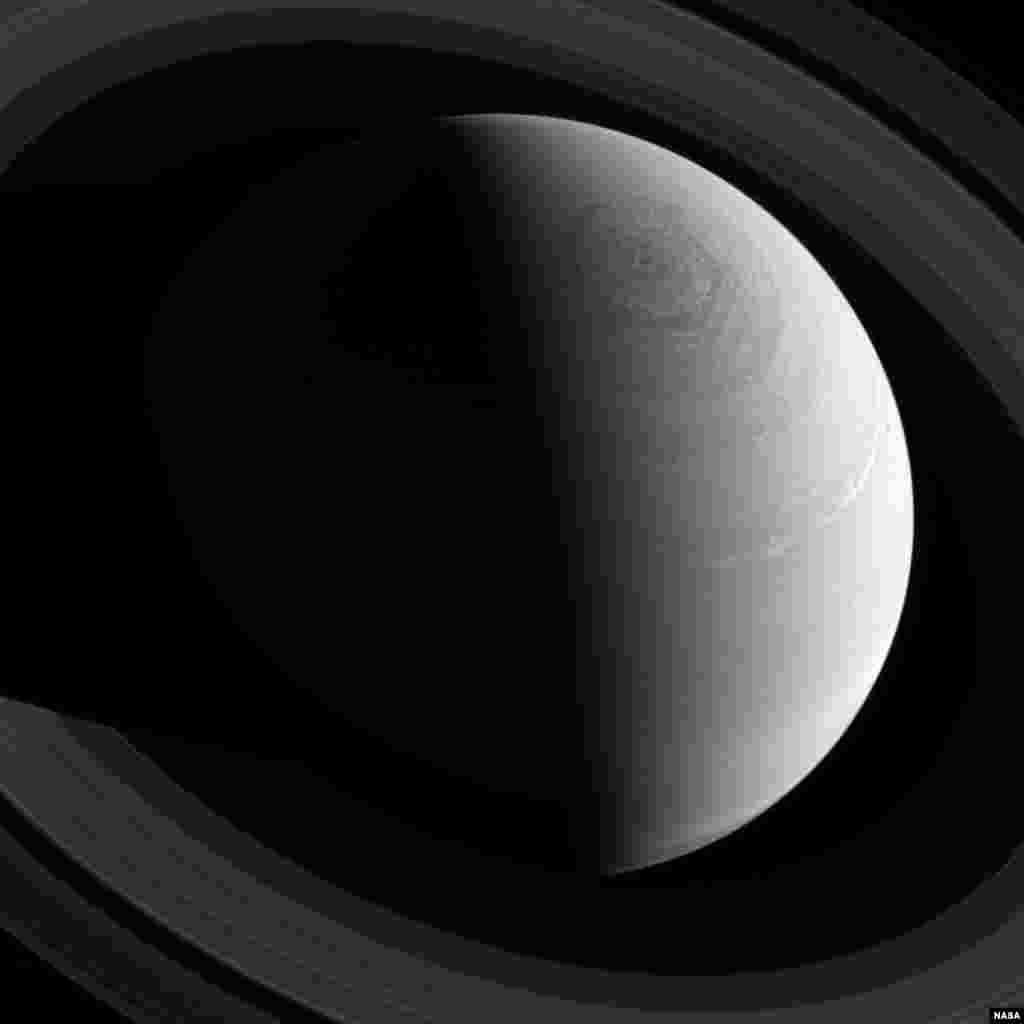
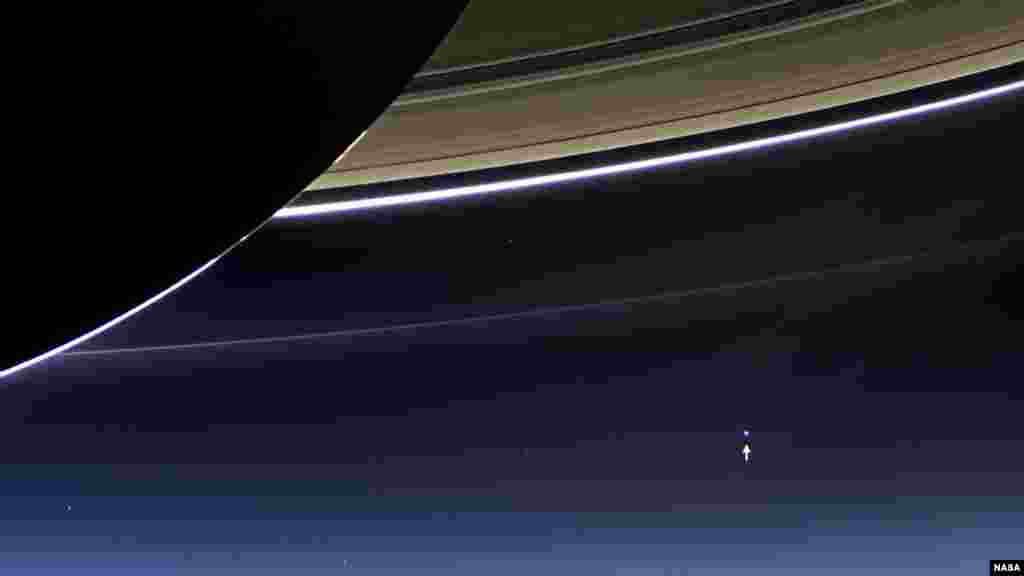
After a 20-year mission, the spacecraft Cassini is preparing to make a final death dive into the planet Saturn.Scientists and engineers at NASA's Jet Propulsion Laboratory said their decision to end the life of the spacecraft in this way is because of what they found during the missionthe ingredients for life are present in some of Saturn's moons.VOA's Elizabeth Lee reports from the Jet Propulsion Laboratory near Los Angeles.
The Cassini spacecraft's mission to Saturn and its study of the system of rings and moons brought many surprises.
((MORGAN CABLE, ASSISTANT PROJECT SCIENCE SYSTEMS ENGINEER))
"At the time of its design, we had no idea that ocean worlds existed in the outer solar system."
These ocean worlds could mean life.One unexpected discovery came from the south pole of Enceladus, a moon embedded in one of Saturn's rings.
((MOLLY BITTNER, SPACECRAFT OPERATIONS SYSTEMS ENGINEER))
"It has a liquid water ocean underneath and it shoots geysers and these cracks open up and these geysers shoot up."
Instruments on Cassini have been able to detect the gas coming from that geyser plume.
((MORGAN CABLE, ASSISTANT PROJECT SCIENCE SYSTEMS ENGINEER))
"We know that there are salts. Now this is important for life because life needs certain minerals and salts to exist.We have very strong evidence that there are hydro-thermal vents down at that base of that ocean, the ocean flood. Now any time you find hydro-thermal vents here on Earth, you find rich communities of organisms."
Cassini was also able to gather data from the Saturn's largest moon, Titan, which has lakes and seas of liquid methane and ethane instead of water.There is also evidence of a liquid ocean beneath the surface that probably contains ammonia and water.Scientists and engineers say the environment could still hold life.
((MORGAN CABLE, ASSISTANT PROJECT SCIENCE SYSTEMS ENGINEER))
"We're still open to trying to look for weird life in places like this and we found a strange place right here in our solar system."
How to dispose of Cassini, now that it's running out of fuel is something scientists and engineers are trying to figure out since they don't want any earthly organisms that may be on Cassini to contaminate a moon that may have life.
((MORGAN CABLE, ASSISTANT PROJECT SCIENCE SYSTEMS ENGINEER))
"I want to find life elsewhere in a place like Enceladus but I don't want to realize later on that we put it there."
((NARRATOR))
Scientists and engineers are already envisioning future missions back to Saturn and its moons to look deeper into the possibility of life.
((MORGAN CABLE, ASSISTANT PROJECT SCIENCE SYSTEMS ENGINEER))
"And I think with today's instrumentation, things that we could put on a spacecraft right now, we could find that life with our instruments of today."
It looks like the end of Cassini will be a death dive into Saturn's atmosphere, sending critical data to Earth until the very end.It's information that will be studied and analyzed by scientists long after the end of Cassini.