



ລິ້ງ ສຳຫລັບເຂົ້າຫາ

ວັນຈັນ, 10 ສິງຫາ 2026

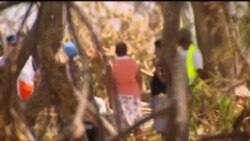
​ເຈົ້າ​ໜ້າ​ທີ່​ຊ່ອຍ​ເຫຼືອ​ກູ້​ໄພ​ ພະຍາຍາມເຂົ້າເຖິງ ພວກທີ່ປະສົບໄພພິບັດ ໃນ Vanuatu

Vanuatu Cyclone
please wait
Embed

No media source currently available

0:00 0:01:00 0:00

ພວກ​ເຈົ້າ​ໜ້າ​ທີ່​ຊ່ອຍ​ເຫຼືອ​ກູ້​ໄພ​ແລະ​ບໍລິຫານ​ຈັດການ ​ແມ່ນ​ກຳລັງ
​ພະຍາຍາມ​ເຂົ້າ​ຮອດ​ເຂົ້າ​ເຖິງ​ເກາະ​ທີ່ຢູ່​ນອກ​ອອກ​ໄປ​ຂອງ​ເກາະ
Vanuatu ​ໃນ​ວັນ​ອັງຄານມື້​ນີ້ ​ເພື່ອ​ເຂົ້າ​ໄປ​ຊ່ອຍ​ກູ້​ໄພ​ພວກ​ທີ່
​ກະທົບຈາກ​ພາຍຸໄຊໂຄລນ.

ອາກາດ​ບໍ່​ດີ ​ການ​ຕິດ​ຕໍ່​ກໍ​ແບບ​ຈຳກັດ ​ແລະ​ພູມິປະ​ເທດກໍປະ
ກອບ​ດ້ວຍຫຼາຍ​ກວ່າ 80 ​ເກາະ ​ແລະ​ພາ​ໃຫ້​ມີ​ຄວາມ​ຫຍຸ້ງ
ຍາກ​ລຳບາກ ສຳຫລັບພວກ​ເຈົ້າ​ໜ້າ​ທີ່​ຊ່ອຍ​ເຫຼືອ​ກູ້​ໄພ ​ໃນເຂົ້າ
​ເຖິງແລະເກັບ​ກຳ​ເລື່ອງ​ຄວາມ​ເສຍ​ຫາຍ ​ແລະໃຫ້​ຄວາມ​ຊ່ອຍ​
ເຫຼືອໃດໆ ນັບຕັ້ງ​ແຕ່​ພາຍຸໄດ້​ເຂົ້າປະ​ທະໃນ​ແລງ​ວັນ​ສຸກ​ແລ້ວ​ນີ້.

ອົງການມະນຸດສະທຳ​ສະຫະ​ປະຊາ​ຊາດ​ ​ກ່າວ​ວ່າ ໄດ້ມີ​ລາຍ​ງານ​ວ່າ​ ມີ 11 ຄົນ ​ເສຍ​ຊີວິດ​ແລ້ວ ຊຶ່ງຫຼຸດ​ລົງ​ມາ​ຈາກ​ຈຳນວນ 24 ຄົນ ທີ່​ມີ​ລາຍ​ງານ​ໃນເບື້ອງຕົ້ນ​ນັ້ນ ​ແຕ່​ວ່າ​ເຈົ້າ​ໜ້າ​ທີ່​ຄາດ​ວ່າ​ຈຳນວນ​ຜູ້​ເສຍ​ຊີວິດ​ຈະ​ສູງ​ຂຶ້ນອີກ. ມີ 3,300 ຄົນ ​ໄດ້​ຖືກຍົກຍ້າຍ​ເຂົ້າ​ສູນ​ສຸກ​ເສີນ
ຊົ່ວຄາວ.

“ພາຍຸ​ຫົວ​ນີ້ ​ແມ່ນ​ພາຍຸ​ທີ່​ຮ້າຍ​ແຮງ​ຫົວ​ນຶ່ງ​ໃນ Vanuatu.” ປະທານາທິບໍດີ Baldwin Lonsdale ​ໄດ້​ບອກ​ກັບ ອົງການ​ຂ່າວ AP ​ໃນ​ວັນ​ຈັນ​ວານ​ນີ້​ ​ໃນ​ຂະນະ​ທີ່​ທຳ​ການ​ຢ້ຽມຢາມ​ຍີ່ປຸ່ນ ​ເພື່ອ​ເຂົ້າຮ່ວມກອງ​ປະຊຸມ​ກ່ຽວ​ກັບ​ການ​ປ້ອງ​ກັນ​ໄພ​ຫາ​ຍຍະ​ນະ ຊຶ່ງທ່ານກ່າວຕື່ມວ່າ “ຂ້າພະ​ເຈົ້າຂໍເວົ້າວ່າ​ ມັນ​ໃຫຍ່ຫລາຍ ໃຫຍ່​ແທ້ໆ. ມັນ​ສ້າງ​ຄວາມ​ເສຍຫາຍໃຫ້​ແກ່​ລັດຖະບານ​ແລະ​ປະຊາຊົນຂອງ Vanuatu. ຫຼັງ​ຈາກ​ທີ່​ໄດ້​ສ້າງສາ​ພັດທະນາ​ເປັນ​
ທີ່​ຮຽບຮ້ອຍ​ແລ້ວ ສິ່ງ​ທີ່​ໄດ້​ສ້າງ​ມາ​ແລ້ວ​ນັ້ນ ກັບ​ຖືກ​ພັງ​ທະລາ​ຍລົງ.”

ພາຍຸໄຊໂຄລນ ​ໄດ້​ທຳລາຍ​ບ້ານ​ເຮືອນ ​ແລະ​ຕຶກ​ອາຄານ ​ແລະ​ໂຄ່ນ​ຕົ້ນ​ໄມ້ ​ໃນ​ທົ່ວ​ປະເທດ ເກາະດອນໃນເຂດມະຫາສະມຸດ​ປາຊິ​ຟິກ​ຕອນໃຕ້ແຫ່ງນັ້ນ ດ້ວຍ​ລົມ​ແຮງທີ່​ມີ​ຄວາມ​ໄວ​ເຖິງ 270 ກິ​ໂລ​ແມັດ ຕໍ່​ຊົ່ວ​ໂມງ.

ທີມຊ່ວຍເຫລືອ ເດີນທາງ ໄປຮອດວານົວຕູ

Water bottles and other relief are loaded into a French Army logistical transport plane bound for Vanuatu, at the Aerial Military Base Lieutenant Paul Klein (formerly known as La Tontouta), north of Noumea, New Caledonia, March 15, 2015.
1/8 Water bottles and other relief are loaded into a French Army logistical transport plane bound for Vanuatu, at the Aerial Military Base Lieutenant Paul Klein (formerly known as La Tontouta), north of Noumea, New Caledonia, March 15, 2015.
This handout photo taken and received on March 15, 2015 by UNICEF Pacific shows scattered debris outside local homes after the area was badly damaged by Cyclone Pam, outside the Vanuatu capital of Port Vila.
2/8 This handout photo taken and received on March 15, 2015 by UNICEF Pacific shows scattered debris outside local homes after the area was badly damaged by Cyclone Pam, outside the Vanuatu capital of Port Vila.
This handout photo taken and received on March 15, 2015 by UNICEF Pacific shows damage to a bridge, caused by Cyclone Pam, outside Port Vila.
3/8 This handout photo taken and received on March 15, 2015 by UNICEF Pacific shows damage to a bridge, caused by Cyclone Pam, outside Port Vila.
This handout photo received on March 15 by CARE Australia shows a man running away from high waves caused by Cyclone Pam crashing along the coast in Port Vila.
4/8 This handout photo received on March 15 by CARE Australia shows a man running away from high waves caused by Cyclone Pam crashing along the coast in Port Vila.
This handout photo taken and received on March 14, 2015 by UNICEF Pacific shows storm damage to boats caused by Cyclone Pam, in the Vanuatu capital of Port Vila.
5/8 This handout photo taken and received on March 14, 2015 by UNICEF Pacific shows storm damage to boats caused by Cyclone Pam, in the Vanuatu capital of Port Vila.
This handout photo taken and received on March 15, 2015 by UNICEF Pacific shows a resident's home badly damaged by Cyclone Pam, outside the Vanuatu capital of Port Vila.
6/8 This handout photo taken and received on March 15, 2015 by UNICEF Pacific shows a resident's home badly damaged by Cyclone Pam, outside the Vanuatu capital of Port Vila.
This handout photo taken and received on March 14, 2015 by UNICEF Pacific shows waves and scattered debris along the coast, caused by Cyclone Pam, in the Vanuatu capital of Port Vila.
7/8 This handout photo taken and received on March 14, 2015 by UNICEF Pacific shows waves and scattered debris along the coast, caused by Cyclone Pam, in the Vanuatu capital of Port Vila.
Cyclone Pam was heading in a southwesterly direction when the Moderate Resolution Imaging Spectroradiometer (MODIS) on NASA’s Aqua satellite acquired this image at 1:30 p.m. local time (2:20 Universal Time) on March 13, 2015. Not long after the image was acquired, the storm struck the island of Efate, which is home to Vanuatu’s capital city, Port Vila.
8/8 Cyclone Pam was heading in a southwesterly direction when the Moderate Resolution Imaging Spectroradiometer (MODIS) on NASA’s Aqua satellite acquired this image at 1:30 p.m. local time (2:20 Universal Time) on March 13, 2015. Not long after the image was acquired, the storm struck the island of Efate, which is home to Vanuatu’s capital city, Port Vila.
Previous slide
Next slide

“ພາຍຸ​ຫົວ​ນີ້ ​ແມ່ນ​ພາຍຸ​ທີ່​ຮ້າຍ​ແຮງ​ຫົວ​ນຶ່ງ​ໃນ Vanuatu.” ປະທານາທິບໍດີ Baldwin Lonsdale ​ໄດ້​ບອກ​ກັບ ອົງການ​ຂ່າວ AP ​ໃນ​ວັນ​ຈັນ​ວານ​ນີ້​ ​ໃນ​ຂະນະ​ທີ່​ທຳ​ການ​ຢ້ຽມຢາມ​ຍີ່ປຸ່ນ ​ເພື່ອ​ເຂົ້າຮ່ວມກອງ​ປະຊຸມ​ກ່ຽວ​ກັບ​ການ​ປ້ອງ​ກັນ​ໄພ​ຫາ​ຍຍະ​ນະ ຊຶ່ງທ່ານກ່າວຕື່ມວ່າ “ຂ້າພະ​ເຈົ້າຂໍເວົ້າວ່າ​ ມັນ​ໃຫຍ່ຫລາຍ ໃຫຍ່​ແທ້ໆ. ມັນ​ສ້າງ​ຄວາມ​ເສຍຫາຍໃຫ້​ແກ່​ລັດຖະບານ​ແລະ​ປະຊາຊົນຂອງ Vanuatu. ຫຼັງ​ຈາກ​ທີ່​ໄດ້​ສ້າງສາ​ພັດທະນາ​ເປັນ​
ທີ່​ຮຽບຮ້ອຍ​ແລ້ວ ສິ່ງ​ທີ່​ໄດ້​ສ້າງ​ມາ​ແລ້ວ​ນັ້ນ ກັບ​ຖືກ​ພັງ​ທະລາ​ຍລົງ.”

ພາຍຸ ໄຊໂຄລນ ​ໄດ້​ທຳລາຍ​ບ້ານ​ເຮືອນ ​ແລະ​ຕຶກ​ອາຄານ ​ແລະ​ໂຄ່ນ​ຕົ້ນ​ໄມ້ ​ໃນ​ທົ່ວ​ປະເທດ ເກາະດອນໃນເຂດມະຫາສະມຸດ​ປາຊິ​ຟິກ​ຕອນໃຕ້ແຫ່ງນັ້ນ ດ້ວຍ​ລົມ​ແຮງທີ່​ມີ​ຄວາມ​ໄວ​ເຖິງ 270 ກິ​ໂລ​ແມັດ ຕໍ່​ຊົ່ວ​ໂມງ.

ວີດີໂອກ່ຽວກັບ ກອງປະຊຸມປ້ອງກັນໄພຫາຍະນະ:

Disaster Conference Meets Against Backdrop of Vanuatu Cyclone Destruction
please wait

No media source currently available

0:00 0:03:00 0:00

XS
SM
MD
LG