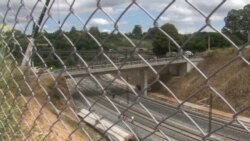



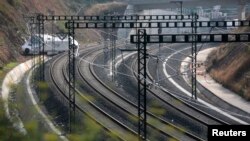
ເຈົ້າໜ້າທີ່ສືບສວນຂອງສະເປນ ກໍາລັງສອບປາກຄຳຄົນຂັບລົດ
ໄຟ ທີ່ຕົກລາງຢູ່ ພາກເໜືອຂອງສະເປນ ຊຶ່ງເຮັດໃຫ້ມີຜູ້ເສຍຊີ
ວິດ 80 ຄົນ ໃນອັນທີ່ບັນລະຍາຍວ່າ ເປັນໄພພິບັດທາງລົດໄຟ
ທີ່ຮ້າຍແຮງສຸດຂອງປະເທດ ໃນຮອບ 40 ປີ.
ລາຍງານກ່າວວ່າ ລົດໄຟອາດຈະແລ່ນໄວກວ່າສອງເທົ່າ ຂອງ
ຄວາມໄວຈໍາກັດ 80 ກິໂລແມັດຕໍ່ຊົ່ວໂມງ ໃນເວລາທີ່ເກີດອຸບ
ປະຕິເຫດຢູ່ນອກເມືອງ Santiago de Composteta. ຫລາຍ
ກວ່າ 140 ຄົນໄດ້ຮັບບາດເຈັບ.
ບັນດາເຈົ້າໜ້າທີ່ສະເປນ ໄດ້ເປີດສອງການສືບສວນ ກ່ຽວກັບ
ລົດໄຟຕົກລາງໃນຄັ້ງນີ້ ຄືການສືບສວນນຶ່ງ ແມ່ນໂດຍເຈົ້າໜ້າ
ທີ່ຍຸຕິທໍາ ແລະອີກການສືບສວນນຶ່ງແມ່ນໂດຍກະຊວງໂຍທາ.
ບັນດາເຈົ້າໜ້າທີ່ກ່າວວ່າ ຄົນຂັບລົດໄຟຄົນນຶ່ງທີ່ເຂົ້າຮັບການ
ປິ່ນປົວຢູ່ໂຮງໝໍຍ້ອນໄດ້ຮັບບາດເຈັບນັ້ນ ກໍາລັງຖືກເຈົ້າໜ້າທີ່
ຕໍາຫຼວດສອບປາກຄຳຢູ່.

![A crane removes a carriage from the tracks at the site of a train crash near Santiago de Compostela, northwestern Spain, July 25, 2013. ]()

![A relative of one of the victims of the train crash reacts in Santiago de Compostela, northwestern Spain, July 25, 2013. ]()
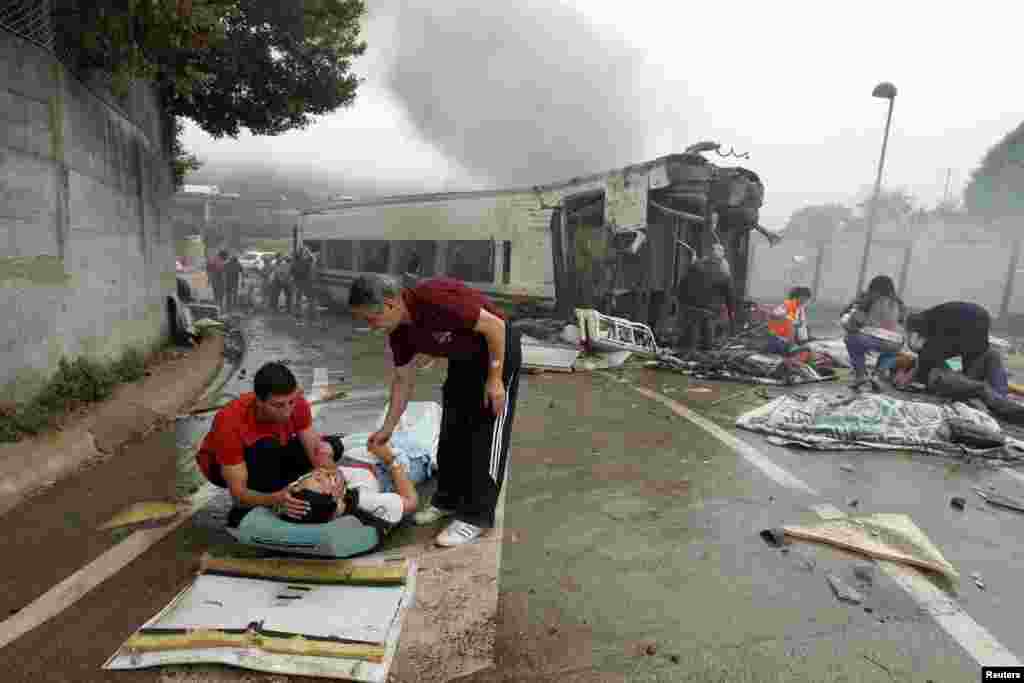
![Victims receive help after a train crashed near Santiago de Compostela, northwestern Spain, July 24, 2013. ]()

![Rescue workers pull victims from a train crash near Santiago de Compostela, northwestern Spain, July 24, 2013. ]()

![Victims are helped by rescue workers after a train crashed near Santiago de Compostela, Spain, July 24, 2013.]()

![Emergency personnel respond to a train derailment in Santiago de Compostela, Spain, July 24, 2013.]()

![Emergency personnel treat survivors after a train derailment in Santiago de Compostela, Spain, July 24, 2013.]()
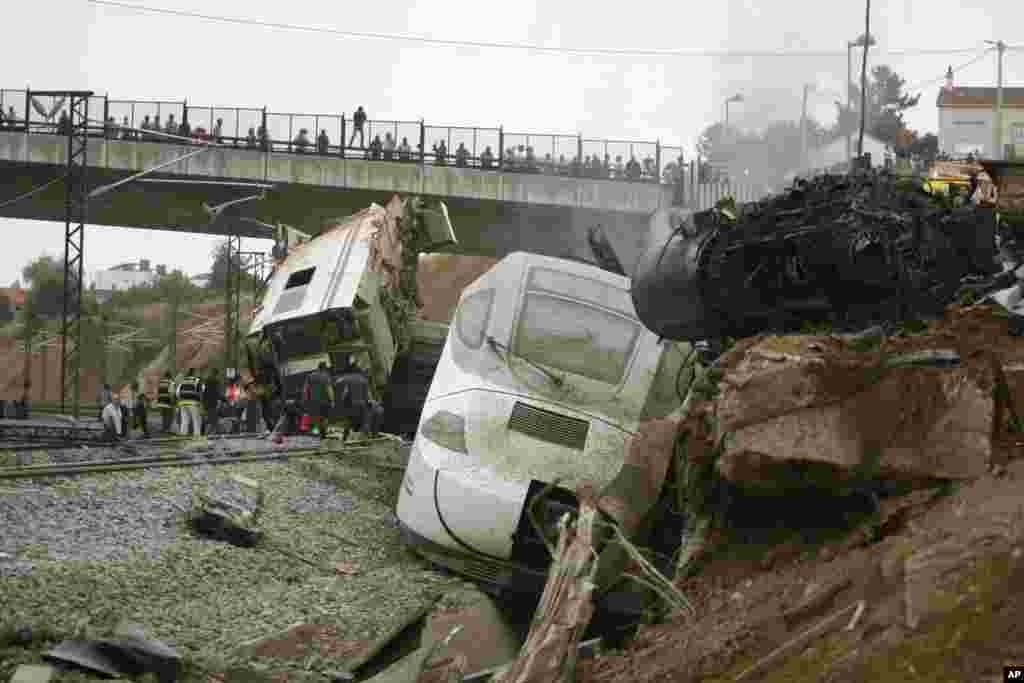
![Emergency personnel respond to a train derailment in Santiago de Compostela, Spain, July 24, 2013.]()
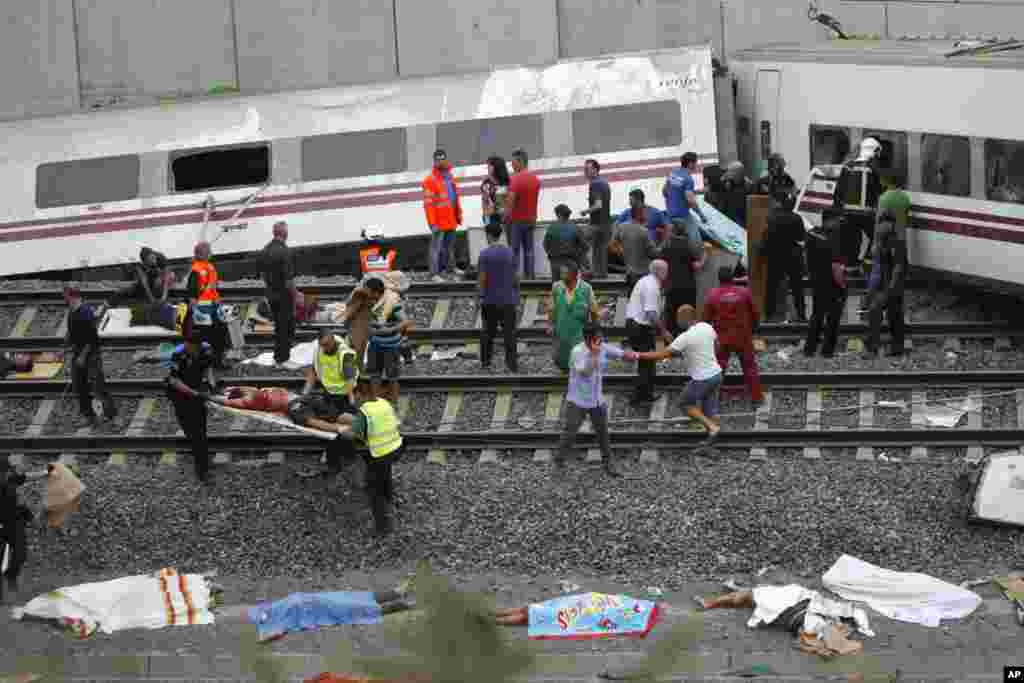
![Emergency personnel at the scene of a train derailment in Santiago de Compostela, Spain, July 24, 2013.]()
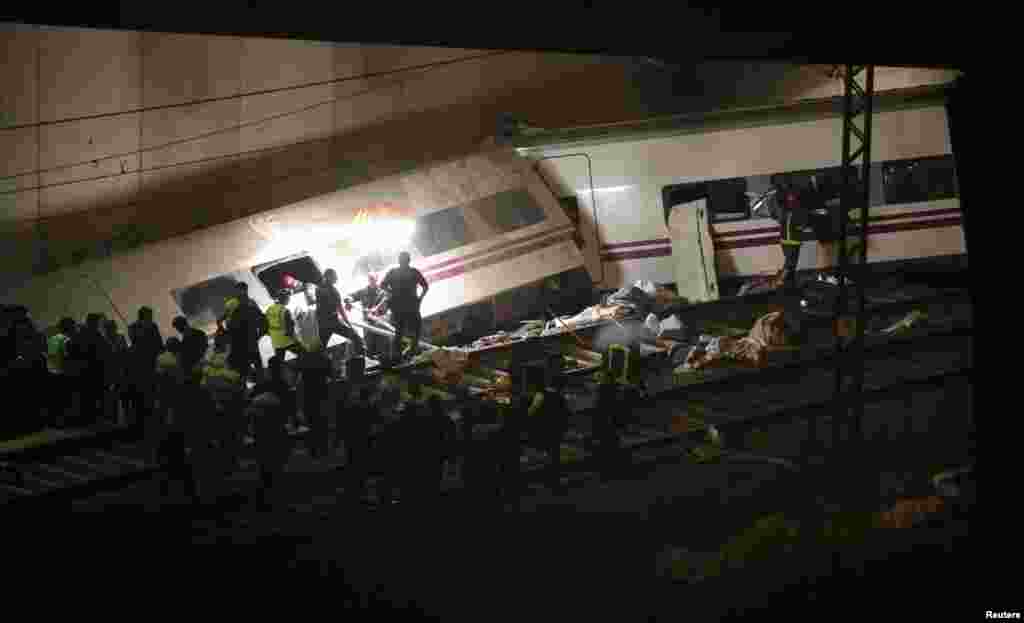
![Rescue workers pull victims from a train crash near Santiago de Compostela, Spain, July 24, 2013.]()
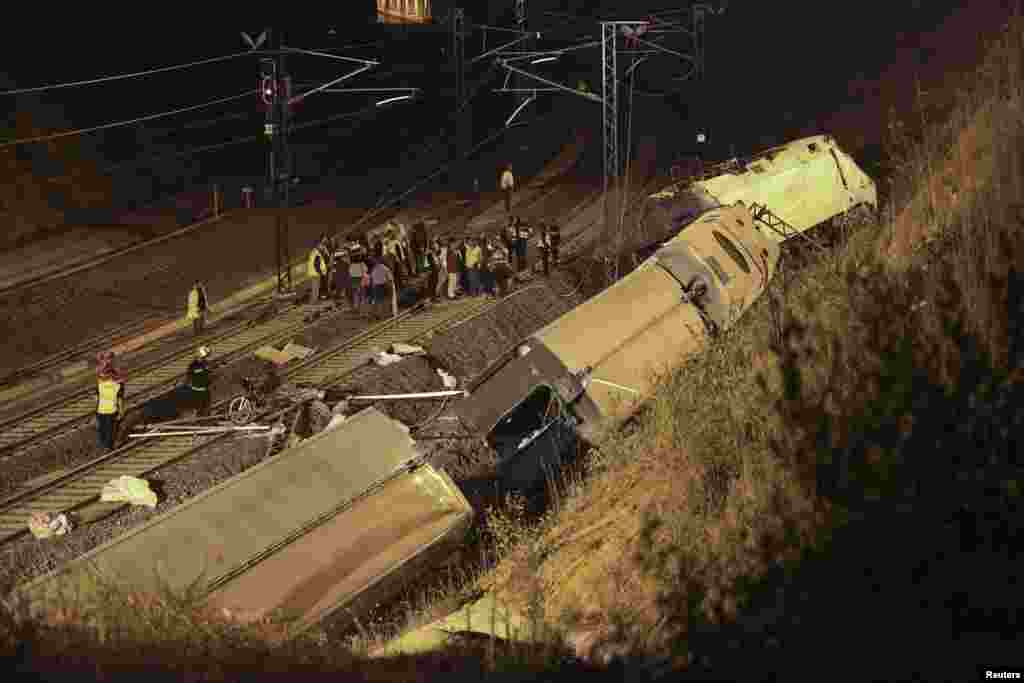
![Rescue workers and officials are seen amongst the wreckage of the train crash near Santiago de Compostela, northwestern Spain, early July 25, 2013. ]()

![Relatives of the victims involved in the train accident react at a victims' information point in Santiago de Compostela, Spain, July 25, 2013. ]()
ໃນວັນພະຫັດວານນີ້ ນາຍົກລັດຖະມົນຕີ ສະເປນ ທ່ານ Mariano Rajoy ຜູ້ທີ່ເກີດຢູ່ໃນເມືອງ Santiago de Compostela ໄດ້ຢ້ຽມຢາມບ່ອນເກີດເຫດ ແລະໂຮງໝໍ ບ່ອນທີ່ພວກຄົນເຈັບຫລາຍຄົນພວມໄດ້ຮັບປິ່ນປົວຢູ່ນັ້ນ.
ທ່ານ Rajoy ກ່າວວ່າ “ສໍາລັບຜູ້ທີ່ເກີດຢູ່ໃນເມືອງ Santiago ຄືກັບຂ້າພະເຈົ້າຈົ່ງເຊື່ອ
ໄດ້ເລີຍວ່າ ນີ້ເປັນວັນທີ່ເສົ້າສະລົດໃຈທີ່ສຸດ ໃນຊີວິດທັງໝົດຂອງຂ້າພະເຈົ້າ. ໃນນາມ
ຂອງຂ້າພະເຈົ້າ |ໃນນາມຂອງລັດຖະບານສະເປນ ແລະໃນນາມຂອງຊາວສະເປນທັງ
ໝົດ ຜູ້ທີ່ອາດມີຄວາມຮູ້ສຶກໄດ້ຮັບການຕາງໜ້າ ໃນອັນທີ່ ຂ້າພະເຈົ້າຈະກ່າວຕໍ່ໄປນີ້ ຂ້າພະເຈົ້າຕ້ອງການ ຢາກສະແດງຄວາມເສົ້າໂສກເສຍໃຈ ໄປຍັງບັນດາຄອບຄົວ ແລະເພື່ອນມິດຂອງຜູ້ທີ່ໄດ້ເສຍຊີວິດໄປ ຜູ້ທີ່ໂຊກບໍ່ດີ ໃນຈຳນນວນຫຼວງຫລາຍນັ້ນ.
ທ່ານໄດ້ປະກາດໄວ້ທຸກເປັນເວລາສາມວັນ ເພື່ອເປັນກຽດລະນຶກເຖິງບັນດາຜູ້ໄດ້ຮັບເຄາະຮ້າຍຈາກອຸບປະຕິເຫດຄັ້ງນີ້.
ໄຟ ທີ່ຕົກລາງຢູ່ ພາກເໜືອຂອງສະເປນ ຊຶ່ງເຮັດໃຫ້ມີຜູ້ເສຍຊີ
ວິດ 80 ຄົນ ໃນອັນທີ່ບັນລະຍາຍວ່າ ເປັນໄພພິບັດທາງລົດໄຟ
ທີ່ຮ້າຍແຮງສຸດຂອງປະເທດ ໃນຮອບ 40 ປີ.
ລາຍງານກ່າວວ່າ ລົດໄຟອາດຈະແລ່ນໄວກວ່າສອງເທົ່າ ຂອງ
ຄວາມໄວຈໍາກັດ 80 ກິໂລແມັດຕໍ່ຊົ່ວໂມງ ໃນເວລາທີ່ເກີດອຸບ
ປະຕິເຫດຢູ່ນອກເມືອງ Santiago de Composteta. ຫລາຍ
ກວ່າ 140 ຄົນໄດ້ຮັບບາດເຈັບ.
ບັນດາເຈົ້າໜ້າທີ່ສະເປນ ໄດ້ເປີດສອງການສືບສວນ ກ່ຽວກັບ
ລົດໄຟຕົກລາງໃນຄັ້ງນີ້ ຄືການສືບສວນນຶ່ງ ແມ່ນໂດຍເຈົ້າໜ້າ
ທີ່ຍຸຕິທໍາ ແລະອີກການສືບສວນນຶ່ງແມ່ນໂດຍກະຊວງໂຍທາ.
ບັນດາເຈົ້າໜ້າທີ່ກ່າວວ່າ ຄົນຂັບລົດໄຟຄົນນຶ່ງທີ່ເຂົ້າຮັບການ
ປິ່ນປົວຢູ່ໂຮງໝໍຍ້ອນໄດ້ຮັບບາດເຈັບນັ້ນ ກໍາລັງຖືກເຈົ້າໜ້າທີ່
ຕໍາຫຼວດສອບປາກຄຳຢູ່.
ພາບ ອຸບປະຕິເຫດ ລົດໄຟຕົກລາງ ຢູ່ສະເປນ
An investigation is under way into one of Europe's worst rail disasters, following a train crash in Spain's Galicia region that killed dozens of people.
ເບິ່ງຕື່ມອີກ
Show less
An investigation is under way into one of Europe's worst rail disasters, following a train crash in Spain's Galicia region that killed dozens of people.
ເບິ່ງຕື່ມອີກ
Show less
An investigation is under way into one of Europe's worst rail disasters, following a train crash in Spain's Galicia region that killed dozens of people.
ເບິ່ງຕື່ມອີກ
Show less
An investigation is under way into one of Europe's worst rail disasters, following a train crash in Spain's Galicia region that killed dozens of people.
ເບິ່ງຕື່ມອີກ
Show less
An investigation is under way into one of Europe's worst rail disasters, following a train crash in Spain's Galicia region that killed dozens of people.
ເບິ່ງຕື່ມອີກ
Show less
An investigation is under way into one of Europe's worst rail disasters, following a train crash in Spain's Galicia region that killed dozens of people.
ເບິ່ງຕື່ມອີກ
Show less
An investigation is under way into one of Europe's worst rail disasters, following a train crash in Spain's Galicia region that killed dozens of people.
ເບິ່ງຕື່ມອີກ
Show less
An investigation is under way into one of Europe's worst rail disasters, following a train crash in Spain's Galicia region that killed dozens of people.
ເບິ່ງຕື່ມອີກ
Show less
An investigation is under way into one of Europe's worst rail disasters, following a train crash in Spain's Galicia region that killed dozens of people.
ເບິ່ງຕື່ມອີກ
Show less
An investigation is under way into one of Europe's worst rail disasters, following a train crash in Spain's Galicia region that killed dozens of people.
ເບິ່ງຕື່ມອີກ
Show less
An investigation is under way into one of Europe's worst rail disasters, following a train crash in Spain's Galicia region that killed dozens of people.
ເບິ່ງຕື່ມອີກ
Show less
An investigation is under way into one of Europe's worst rail disasters, following a train crash in Spain's Galicia region that killed dozens of people.
ເບິ່ງຕື່ມອີກ
Show less
ໃນວັນພະຫັດວານນີ້ ນາຍົກລັດຖະມົນຕີ ສະເປນ ທ່ານ Mariano Rajoy ຜູ້ທີ່ເກີດຢູ່ໃນເມືອງ Santiago de Compostela ໄດ້ຢ້ຽມຢາມບ່ອນເກີດເຫດ ແລະໂຮງໝໍ ບ່ອນທີ່ພວກຄົນເຈັບຫລາຍຄົນພວມໄດ້ຮັບປິ່ນປົວຢູ່ນັ້ນ.
ທ່ານ Rajoy ກ່າວວ່າ “ສໍາລັບຜູ້ທີ່ເກີດຢູ່ໃນເມືອງ Santiago ຄືກັບຂ້າພະເຈົ້າຈົ່ງເຊື່ອ
ໄດ້ເລີຍວ່າ ນີ້ເປັນວັນທີ່ເສົ້າສະລົດໃຈທີ່ສຸດ ໃນຊີວິດທັງໝົດຂອງຂ້າພະເຈົ້າ. ໃນນາມ
ຂອງຂ້າພະເຈົ້າ |ໃນນາມຂອງລັດຖະບານສະເປນ ແລະໃນນາມຂອງຊາວສະເປນທັງ
ໝົດ ຜູ້ທີ່ອາດມີຄວາມຮູ້ສຶກໄດ້ຮັບການຕາງໜ້າ ໃນອັນທີ່ ຂ້າພະເຈົ້າຈະກ່າວຕໍ່ໄປນີ້ ຂ້າພະເຈົ້າຕ້ອງການ ຢາກສະແດງຄວາມເສົ້າໂສກເສຍໃຈ ໄປຍັງບັນດາຄອບຄົວ ແລະເພື່ອນມິດຂອງຜູ້ທີ່ໄດ້ເສຍຊີວິດໄປ ຜູ້ທີ່ໂຊກບໍ່ດີ ໃນຈຳນນວນຫຼວງຫລາຍນັ້ນ.
ທ່ານໄດ້ປະກາດໄວ້ທຸກເປັນເວລາສາມວັນ ເພື່ອເປັນກຽດລະນຶກເຖິງບັນດາຜູ້ໄດ້ຮັບເຄາະຮ້າຍຈາກອຸບປະຕິເຫດຄັ້ງນີ້.