



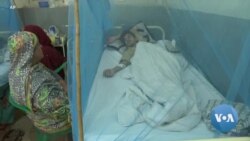

ລາຍງານສາກົນສະບັບນຶ່ງຈາກບັນດານັກຄົ້ນຄວ້າຢູ່ 35 ສະຖາບັນເວົ້າວ່າ ສະພາບອາກາດປ່ຽນແປງຈະເປັນໄພຂົ່ມຂູ່ຕໍ່ສຸຂະພາບ ແລະ ຄຸນນະພາບຊີວິດຂອງເດັກນ້ອຍທີ່ເກີດໃນທຸກມື້ນີ້. ລາຍງານດັ່ງກ່າວເວົ້າວ່າ ອຸນຫະພູມທີ່ສູງຂຶ້ນຈະນຳໄປສູ່ການມີພະຍາດຫຼາຍກວ່າເກົ່າ, ອາກາດຮຸນແຮງສຸດຂີດ ແລະ ຄວາມສ່ຽງກ່ຽວກັບຄວາມປອດໄພຂອງອາຫານ ທີ່ຈະສົ່ງຜົນກະທົບຕໍ່ລຸ້ນຄົນໃນປັດຈຸບັນ ແລະ ອະນາຄົດ. ດັ່ງທີ່ນັກຂ່າວວີໂອເອ ອາຣາຊ ອາຣາບາຊາດີ ລາຍງານນັ້ນ, ບັນດານັກຄົ້ນຄວ້າຫວັງທີ່ຈະບັງຄັບໃຫ້ບັນຫາດັ່ງກ່າວເປັນຫົວຂໍ້ຫຼັກຂອງກອງປະຊຸມສະພາບອາກາດປ່ຽນແປງທີ່ຫາກໍໄຂຂຶ້ນນີ້. ເຊິ່ງ ພຸດທະສອນ ຈະນຳລາຍລະອຽດມາສະເໜີທ່ານໃນອັນດັບຕໍ່ໄປ.
ຫຼັງຈາກເກືອບ 8 ປີ, ລັດຄາລິຟໍເນຍ ໄດ້ກາຍເປັນທີ່ຮູ້ຈັກກັບບັນຫາໃໝ່ ຈາກໄພແຫ້ງແລ້ງທີ່ຍາວທີ່ສຸດຂອງສະຫັດສະວັດ ບໍ່ດົນກ່ອນລະດູໄຟປ່າໄດ້ເລີ່ມຂຶ້ນ.
ບັນດານັກຊ່ຽວຊານເວົ້າວ່າ ອຸນຫະພູມທີ່ສູງຂຶ້ນຈາກສະພາບອາກາດປ່ຽນແປງເຮັດໃຫ້ພືດພັນຕ່າງໆແຫ້ງ, ເຊິ່ງສະໜອງເຊື້ອໄຟທີ່ພຽບພ້ອມສຳລັບໄຟປ່າ.
ນີ້ແມ່ນພຽງນຶ່ງຕົວຢ່າງຂອງວິທີທີ່ໂລກທີ່ອຸ່ນຂຶ້ນ ຈະສົ່ງຜົນກະທົບຕໍ່ສາທາລະນະສຸກໃນອະນາຄົດ, ອີງຕາມການກ່າວຂອງ ດຣ. ນິກ ວັດສ໌, ຜູ້ອຳນວຍການໃຫຍ່ຂອງວາລະສານ Lancet Coundown.
ດຣ. ນິກ ວັດສ໌ ກ່າວວ່າ “ຖ້າພວກເຮົາສືບຕໍ່ດິ່ງລົງໃນເສັ້ນທາງປັດຈຸບັນນີ້, ມັນຈະຫຍັບເຂົ້າໃກ້ ກັບການກວາດລ້າງຄວາມສຳເລັດເມື່ອ 50 ປີທີ່ຜ່ານມາ ທີ່ພວກເຮົາໄດ້ເຫັນໃນຂະແໜງສາທາລະນະສຸກທົ່ວໂລກ.”
ລາຍງານສາກົນໂດຍວາລະສານ Lancet Countdown ເວົ້າວ່າ ແອນ້ອຍທີ່ເກີດໃນມື້ນີ້ ມີຄວາມເປັນໄປໄດ້ວ່າຈະໄດ້ເຫັນໂລກອຸ່ນຂຶ້ນ 4 ອົງສາໃນວັນເກີດຄົບຮອບ 71 ຂອງລາວ.
ດຣ. ນິກ ວັດສ໌ ກ່າວວ່າ “ໃນແງ່ຜົນກະທົບຕໍ່ສຸຂະພາບຈາກສະພາບອາກາດປ່ຽນແປງນັ້ນ ນີ້ແມ່ນທຸກສິ່ງນັບຈາກ ການແຜ່ລາມຂອງພະຍາດທີ່ເກີດມາຈາກແມງໄມ້ທີ່ເປັນພາຫະນະຂອງໂຣກເຊັ່ນ ໄຂ້ເລືອດອອກ, ໄຂ້ມາເລເຣຍ, ການລະບາດຂອງແບັກທີເຣຍ ວິບຣີໂອ ແລະ ໂດຍສະເພາະເປັນຢ່າງຍິ່ງແມ່ນເດັກນ້ອຍທີ່ມີອາຍຸຕ່ຳກວ່າຫ້າປີແມ່ນຜູ້ທີ່ມີຄວາມສ່ຽງທີ່ສຸດ.”
ດຣ. ວັດສ໌ ກ່າວວ່າ, ໃນຂະນະທີ່ສະພາບອາກາດອຸ່ນຂຶ້ນນັ້ນ, ພະຍາດທີ່ມາຈາກແມງໄມ້ຊິຈະເລີນເຕີບໂຕ, ຄືຍຸງລາຍເອເຊຍ.
ດຣ. ວັດສ໌ ເວົ້າວ່າ “ມັນກຳລັງຫຍັບຂຶ້ນມາຈາກປະເທດ ເທີກີ, ຂ້າມມາຈາກ ຢູໂຣບ, ຍຸງລາຍທີ່ວ່ານັ້ນນຳພາໄຂ້ເລືອດອອກ. ມັນຈະນຳພາໂຣກ ຊິຄຸນກຸນຢາ ເວລາທີ່ມັນຢູ່ຫັ້ນ. ມັນຈາກນຳພາໄຂ້ໝາກເຫຼືອງ. ຖ້າເຈົ້າຢູ່ໃນ ອາເມຣິກາໃຕ້, ຍຸງລາຍນັ້ນກໍສາມາດນຳພາໄວຣັສ ຊີກາ ເຊັ່ນກັນ.”
ບັນດານັກວິທະຍາສາດແມ່ນເປັນຫ່ວງທີ່ສຸດ ກ່ຽວກັບ ຜົນກະທົບໂດຍລວມ ແລະ ໄລຍະຍາວຂອງໂລກຮ້ອນ ຕໍ່ສາທາລະນະສຸກ.
ດຣ. ວັດສ໌ ກ່າວວ່າ “ພວກເຮົາບໍ່ໄດ້ເປັນຫ່ວງກ່ຽວກັບຄື້ນຄວາມຮ້ອນ ແລະ ສິ່ງທີ່ມັນເຮັດຕໍ່ພະຍາດ ກ່ຽວກັບ ຫົວໃຈ ຫຼື ໝາກໄຂ່ຫຼັງ. ພວກເຮົາບໍ່ໄດ້ເປັນຫ່ວງກ່ຽວກັບການຂາດສານອາຫານເທົ່ານັ້ນ. ພວກເຮົາເປັນຫ່ວງ ກ່ຽວກັບ ສິ່ງທີ່ຈະເກີດຂຶ້ນຕໍ່ຊຸມຊົນ ຫາປະຊາກອນ ເຖິງເດັກນ້ອຍທີ່ເກີດໃໝ່ໃນມື້ນີ້ ເມື່ອເຂົາເຈົ້າໄດ້ຮັບຜົນກະທົບຊ້ຳແລ້ວຊ້ຳອີກຈາກຫຼາຍຊອກມູມ ແລະ ວິທີທີ່ມັນໄດ້ສົ່ງຜົນກະທົບຕະຫຼອດຊີວິດ.”
ບັນດານັກຄົ້ນຄວ້າເວົ້າວ່າ ມັນຈະຕ້ອງໃຊ້ຄວາມໝາຍໝັ້ນທາງການເມືອງເພື່ອຫຼີກລ່ຽງຜົນກະທົບທີ່ຮ້າຍແຮງນີ້. ບັນດານັກຂຽນໄດ້ຮຽກຮ້ອງກອງປະຊຸມໃຫຍ່ສະພາບອາກາດປ່ຽນແປງ ຂອງອົງການສະຫະປະຊາຊາດໃນເດືອນນີ້ ໃຫ້ເພັ່ງເລັງໃສ່ຜົນກະທົບດ້ານສຸຂະພາບຂອງໂລກທີ່ອຸ່ນຂຶ້ນ.
An international report from researchers at 35 institutions says climate change will threaten the health and quality of life of children born today.The report says rising temperatures will lead to more diseases, extreme weather, and risk of food insecurity affecting current and future generations.As VOA's Arash Arabasadi reports, researchers hope to force the issue to the forefront of an upcoming climate change conference.
After nearly eight years, California emerged from its longest drought of the millennium just before the start of fire season.
Experts say higher temperatures from climate change make for dryer vegetation, which provides ready fuel for wildfires.
This is just one example of how a warming planet will affect public health in the future, says Dr. Nick Watts,Executive Director of the Lancet Countdown.
"If we continue down sort of the current trajectory, it comes close to wiping out the last 50 years of gains that we have seen in public health around the world."
An international report by The Lancet Countdown says a baby born today is likely to see the Earth warm four-degrees by his or her 71st birthday.
"In terms of the health impact of climate change this is anything from… the spread of vector-borne disease like Dengue, like malaria, the spread of Vibrio, and that particularly again, it's children under the age of five that are the most vulnerable."
Watts says, as climates warm, unwelcome disease vectors will thrive, like the Asian tiger mosquito.
"It's moving up from Turkey, coming across Europe, that tiger mosquito carries Dengue fever.It carries chikungunya when it's there.It carries yellow fever. If you're in South America, that tiger mosquito can carry Zika virus as well."
Scientists are most concerned about the overall, longterm impact of global warming on public health.
"We're not worried about just heatwave and what that does to heart disease or kidney disease.We're not worried about just malnutrition.We're worried about what happens to a communityto a populationto a child born today when they are hit again and again and again from multiple different angles and how that has a lifelong impact the whole way through."
Researchers say it will take political will to avert dire outcomes.The authors are calling for next month's United Nations Climate Conference to focus on the health impacts of a warming planet.