




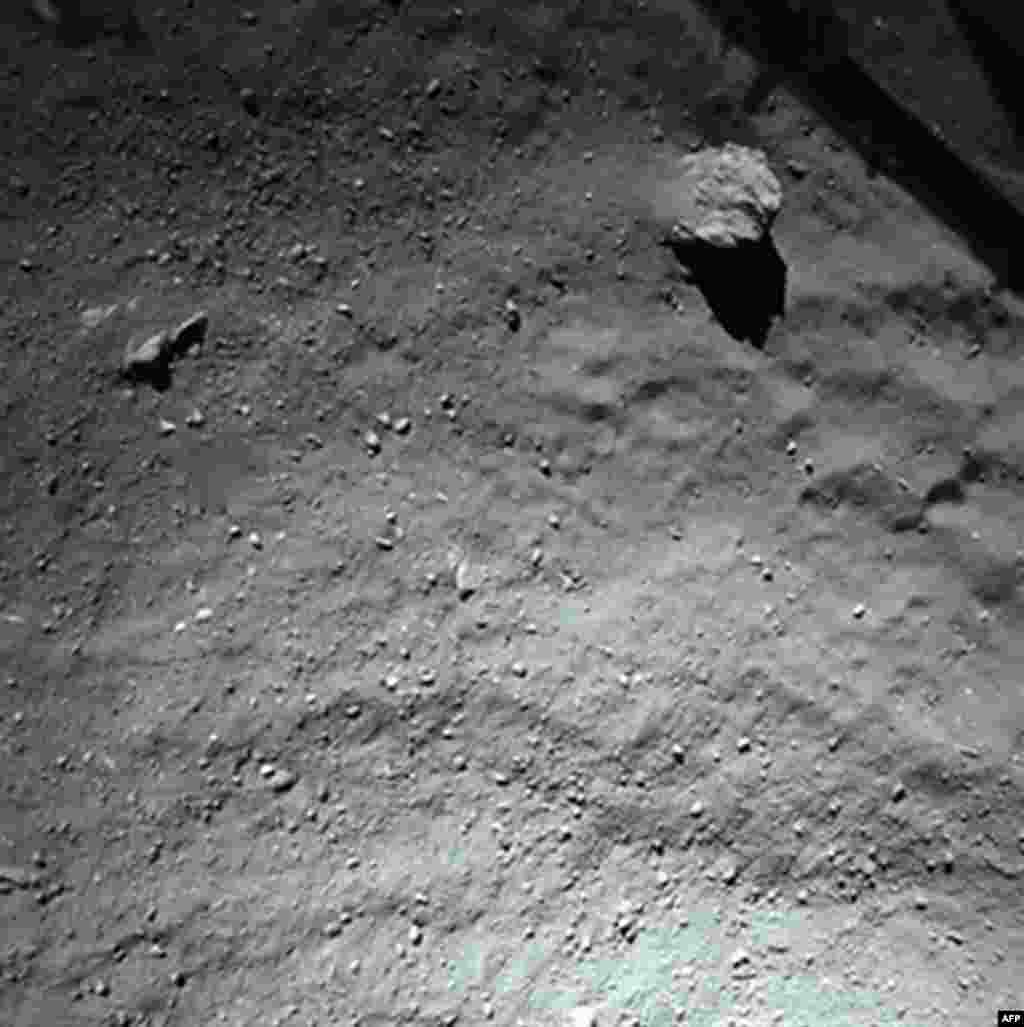
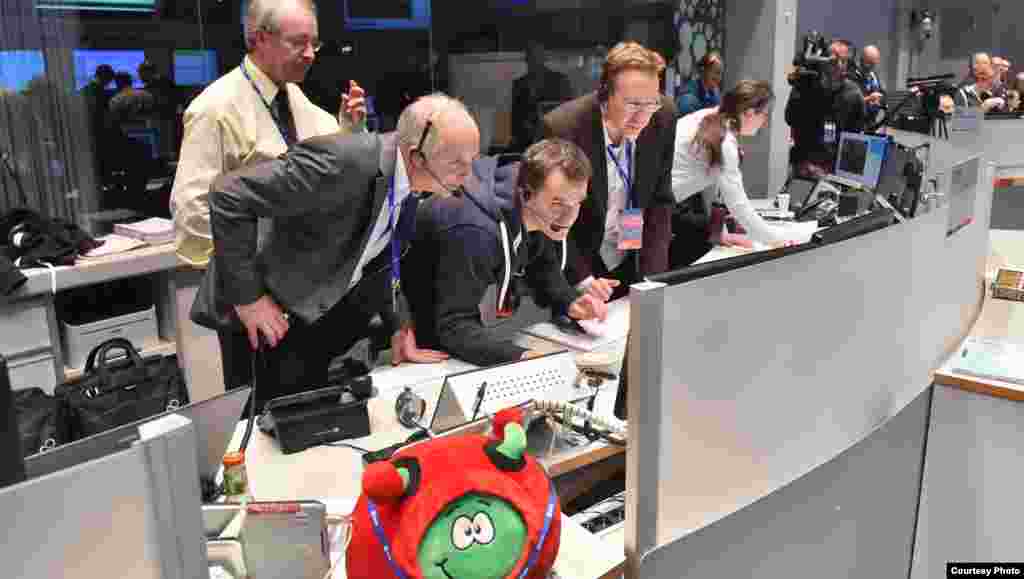
ຍານສຳຫຼວດຂອງອົງການອາວະກາດຢູໂຣບ ຫຼື ESA ໄດ້ລົງ
ຈອດເປັນປະຫວັດການ ຢູ່ເທິງດາວຫາງ ແຕ່ກໍຍັງບໍ່ຮູ້ຈັກສະພາບ
ຢ່າງແນ່ນອນເທື່ອ ຫລັງຈາກເຄື່ອງມື ບໍ່ສາມາດແທງລົງໄປ ໃນພື້ນ
ຜິວຂອງດາວຫາງ ເພື່ອໃຫ້ເກາະຕິດຢູ່ນັ້ນ.
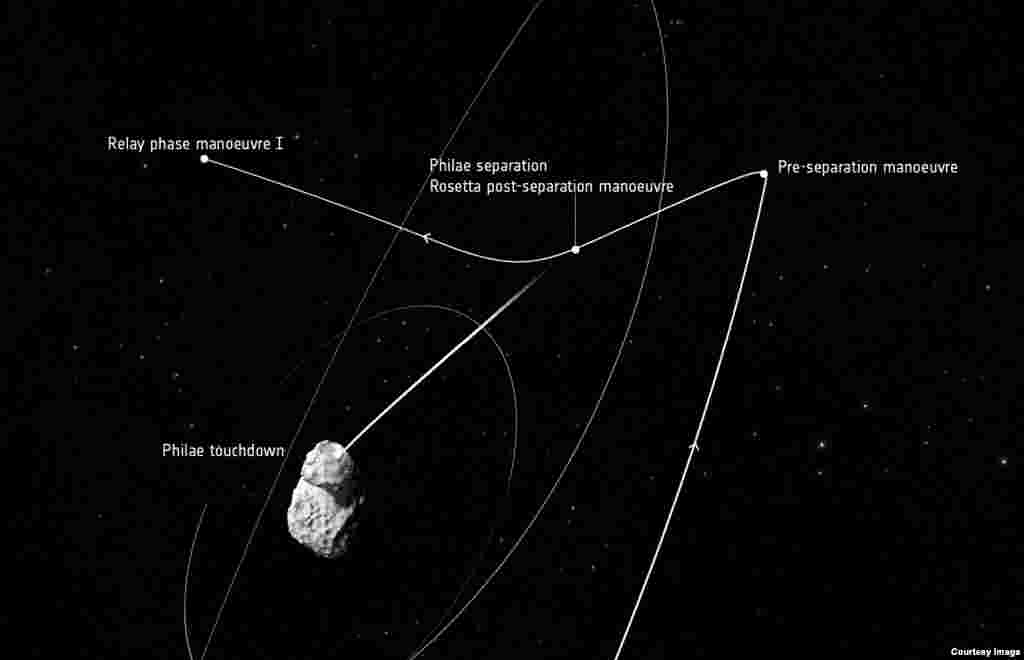
ບັນດາເຈົ້າໜ້າທີ່ຂອງອົງການ ESA ກ່າວວ່າ ຍານນ້ອຍ ທີ່ມີຊື່ວ່າ
Philae ໄດ້ລົງຈອດຕາມໝາຍກຳນົດ ໃນວັນພຸດວານນີ້ ຫຼັງຈາກ
ໄດ້ເວີ່ນລົງ 7 ຊົ່ວໂມງ ຈາກຍານແມ່ Rosetta ທີ່ໂຄຈອນຢູ່ນັ້ນ.
ແຕ່ ໃນລະຫວ່າງການເວີ່ນລົງຈອດ ສູ່ພື້ນຜິວຂອງດາວຫາງນັ້ນ
ເຄື່ອງມືທີ່ອອກແບບ ເພື່ອໃຫ້ຍານຢຶດຕິດຢູ່ກັບພື້ນດາວຫາງ ບໍ່
ທຳງານ.

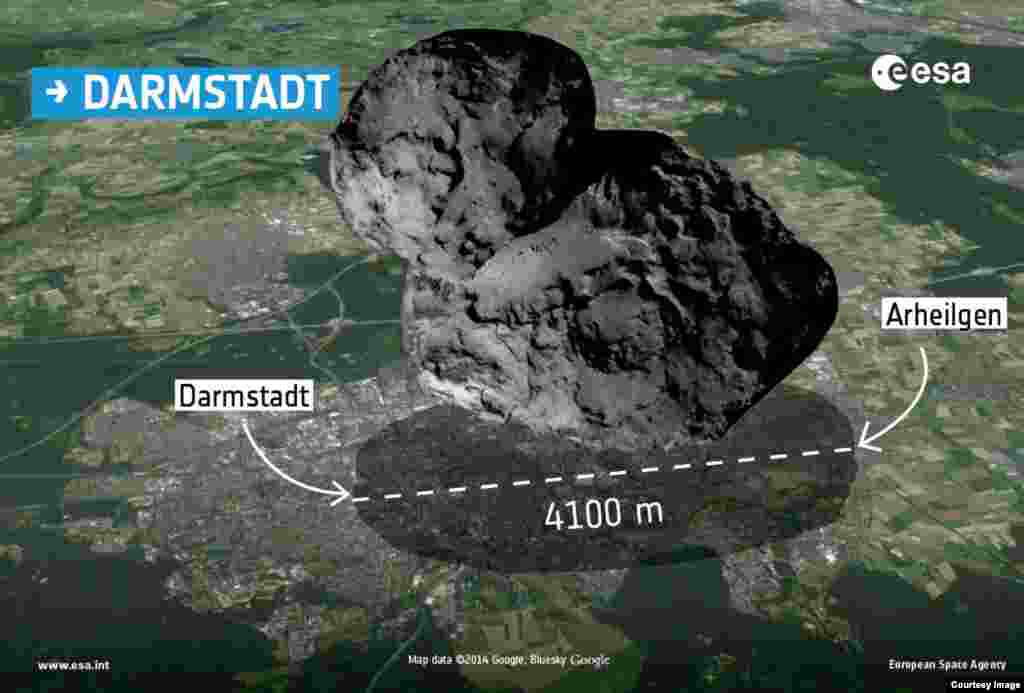
ບັນດາເຈົ້າໜ້າທີ່ກ່າວວ່າ ຍານສຳຫຼວດລຳນີ້ ອາດໄດ້ຟົ້ງຂຶ້ນເປັນ
ເວລາ ສັ້ນໆ ຫລັງຈາກ ລົງຈອດໃນຕອນທຳອິດ ຢູ່ເທິງພື້ນຜິວ
ດາວຫາງ ທີ່ມີຊື່ ວ່າ 67P/Churyumov-Gerasimenko ກ່ອນ
ທີ່ຈະຕົກລົງສູ່ພື້ນດາວ ຫາງຄືນອີກ.
ການລົງຈອດດັ່ງກ່າວນີ້ ແມ່ນເປັນຈຸດສຸດຍອດ ຂອງການເດີນ
ທາງຈາກໂລກ ເປັນເວລາ 10 ປີ ທີ່ໄລຍະໄກເຖິງ 6 ຕື້ ກິໂລແມັດ.
ຍານແມ່ Rosetta ໄດ້ໃຊ້ແຮງຖ່ວງໂຄຈອນອ້ອມໂລກເຖິງ 3 ຮອບ
ແລະ ອ້ອມດາວພະອັງຄານຄັ້ງນຶ່ງ ກ່ອນມັນຈະສາມາດລວບລວມ
ຄວາມໄວໃຫ້ສູງຂຶ້ນ ເພື່ອໃຫ້ໄປເຖິງດາວຫາງດັ່ງກ່າວ ຊຶ່ງມັນກໍໄດ້
ມີຂຶ້ນ ໃນເດືອນສິງຫາປີນີ້.
ຍານສຳຫຼວດ Philae ລົງຈອດ ເທິງດາວຫາງ



ວີດີໂອ ອະທິບາຍ ການລົງຈອດຂອງຍານ Philae: