



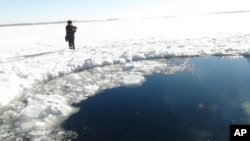
ບັນດາເຈົ້າໜ້າທີ່ຣັດເຊຍ ກ່າວວ່າ ພວກມະນຸດກົບ ກໍາລັງຊອກ
ຫາຊີ້ນສ່ວນ ຂອງສະເກັດດາວຂະໜາດໃຫຍ່ ທີ່ຕົກລົງໄປໃນ
ທະເລສາບ ຫຼັງ ຈາກໄດ້ແລ່ນຜ່ານທ້ອງຟ້າ ແລະເກີດລະເບີດ
ຢູ່ເທິງບໍລິເວນພູ Ural.
ປະຊາຊົນຣັດເຊຍຢູ່ໃນເຂດ Chelyabinsk ພາກັນຕື່ນຕົກໃຈ
ໃນຂະ ນະທີ່ສະເກັດດາວ ທີ່ມີນໍ້າໜັກເຖິງ 10 ໂຕນ ໄດ້ລະເບີດເປັນແສງຮຸ່ງຢູ່ເທິງທ້ອງຟ້າ ໃນວັນສຸກວານນີ້.
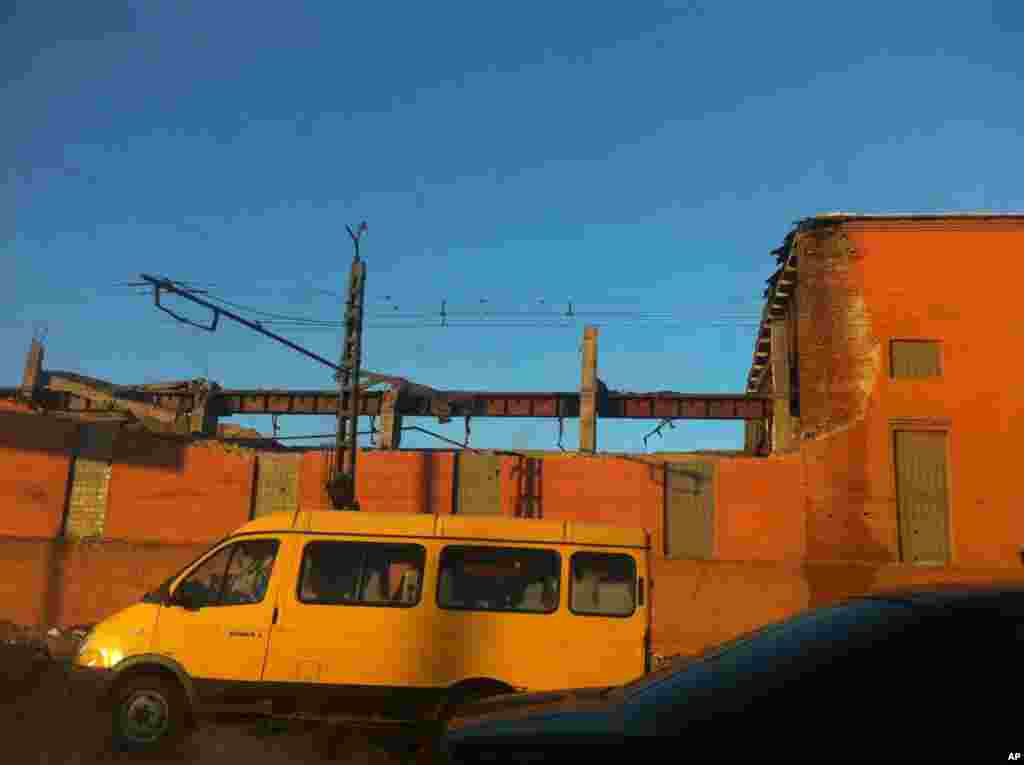
ເຫດລະເບີດດັ່ງກ່າວ ໄດ້ສົ່ງຄື້ນຄວາມສັ່ນສະເທືອນເຮັດໃຫ້ປະຕູປ່ອງ ຢ້ຽມແຕກ ທໍາຄວາມເສຍຫາຍໃຫ້ແກ່ຕຶກອາຄານຕ່າງໆ ແລະເຮັດໃຫ້ 1,100 ກວ່າຄົນໄດ້ຮັບບາດເຈັບ. ລັດຖະມົນຕີພາຍໃນຣັດເຊຍກ່າວວ່າ ການບາດເຈັບສ່ວນໃຫຍ່ ເກີດຈາກແກ້ວແຕກ ທີ່ຟົ້ງໄປໃສ່.
ຜູ້ອຳນວຍການຝ່າຍວິທະຍາກ່ຽວກັບໂລກມະນຸດ ທີ່ອົງການ ອະວະ ກາດສະຫະລັດຫຼື NASA ກ່າວວ່າ ເຫດການນີ້ແມ່ນໄດ້ຮັບການຍົກ ເວັ້ນເປັນພິເສດ.
ທ່ານ Jim Green ກ່າວໃນວັນສຸກວານນີ້ວ່າ “ລູກລະເບີດໄຟ” ຊະ ນິດໃດຊະນິດນຶ່ງ ແມ່ນເກີດຂື້ນເປັນປົກກະຕິຢູ່ທຸກໆມື້ ແຕ່ສ່ວນຫລາຍແລ້ວບໍ່ມີຄົນເຫັນ ເພາະວ່າມັນໄດ້ຕົກລົງໃສ່ມະຫາສະມຸດ ຫລືຢູ່ບ່ອນສອກຫລີກຫ່າງໄກຕ່າງໆ.
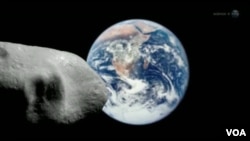
ກ້ອນຫີນຈາກອະວະກາດ ທີ່ໂຄຈອນເຂົ້າມາໃກ້ໆ ໂລກມະນຸດ
ສະຖາບັນວິທະຍາສາດຂອງຣັດເຊຍ ກ່າວວ່າ ສະເກັດດາວດັ່ງກ່າວໄດ້ ແລ່ນເຂົ້າມາສູ່ບັນຍາກາດຂອງໂລກມະນຸດ ດ້ວຍຄວາມໄວຢ່າງໜ້ອຍ 54,000 ກິໂລແມດຕໍ່ຊົ່ວໂມງ.
ການແລ່ນເຂົ້າມາຂອງສະເກັດດາວດັ່ງກ່າວມີຂຶ້ນພຽງບໍ່ເທົ່າໄດຊົ່ວໂມງ ກ່ອນທີ່ກ້ອນຫີນໃຫຍ່ຈາກອະວະກາດຫລື Asteroid ທີ່ຮູ້ກັນໃນນາມ 2012 DA14 ໄດ້ຜ່ານເຂົ້າ
ມາລະຫວ່າງໂລກມະນຸດ ແລະບັນດາດາວ ທຽມ ທີ່ກໍາລັງໂຄຈອນອ້ອມໂລກຢູ່ນັ້ນ.
ອົງການ NASA ກ່າວວ່າ ກ້ອນຫີນໃຫຍ່ ຫລື Asteroid ທີ່ມີຄວາມກວ້າງ 45 ແມັດ ໄດ້ໂຄຈອນຜ່ານເຂົ້າມາໃກ້ໂລກມະນຸດເຮົາປະມານ 27,000 ກິໂລແມັດ.

![The meteorite contrail is seen over Chelyabinsk, February 15, 2013. Photo provided by Chelyabinsk.ru.]()

![Workers repair a power line near the wall of a local zinc plant which was damaged by a shockwave from a meteor in Chelyabinsk, Russia, February 15, 2013.]()
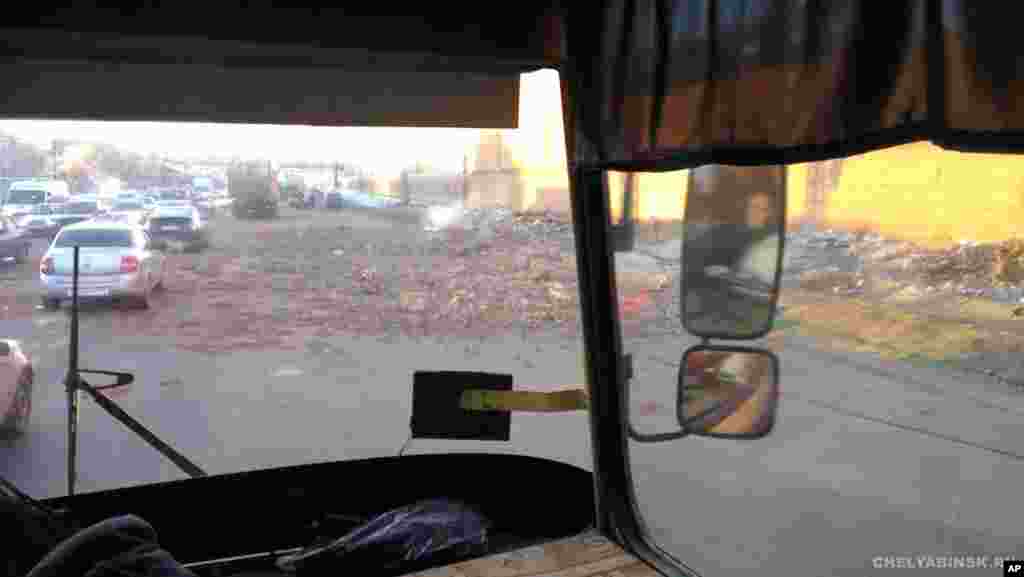
![Debris is shown in the Chelyabinsk region, February 15, 2013. Photo provided by Chelyabinsk.ru.]()

![The meteorite contrail is seen over the village of Bolshoe Sidelnikovo, February 15, 2013.]()
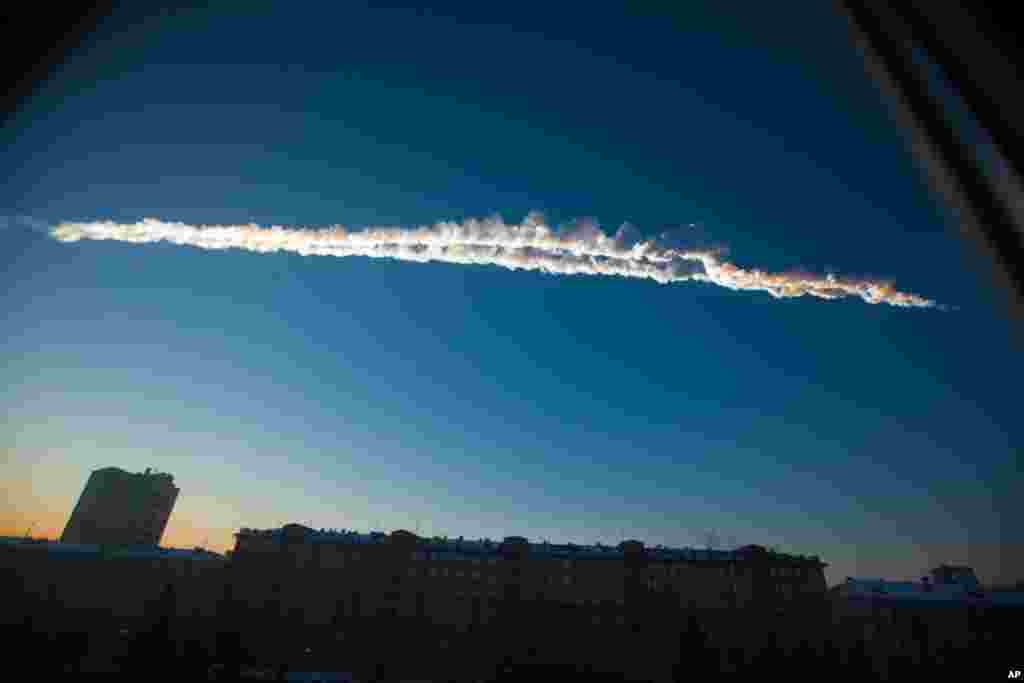
![The meteorite contrail is seen over Chelyabinsk, February 15, 2013. Photo provided by Chelyabinsk.ru.]()
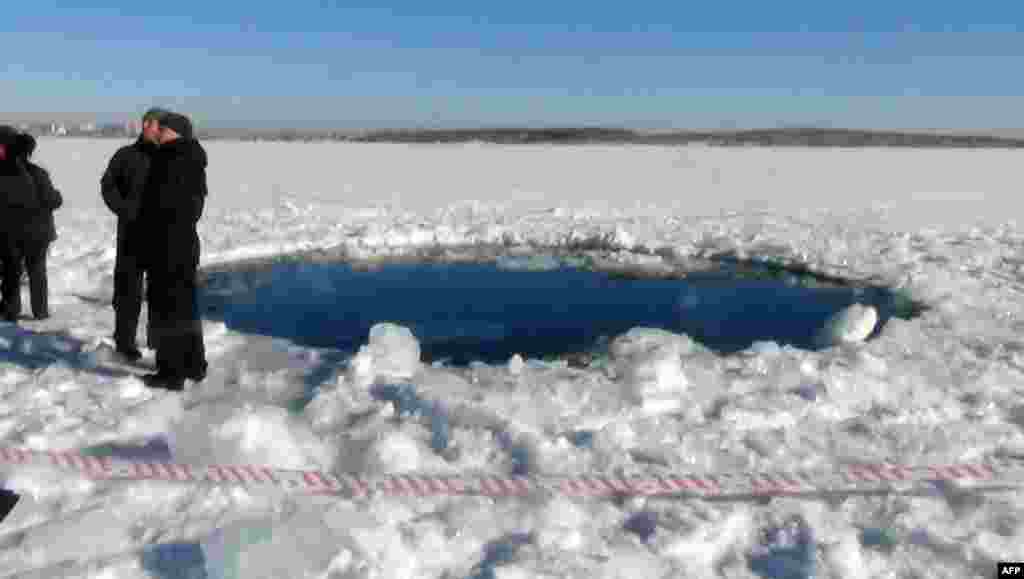
![People stand near a six-meter hole in the ice of a frozen lake, the site of a meteor fall, outside the town of Chebakul in the Chelyabinsk region. Photo: Chelyabinsk Region Police Department]()
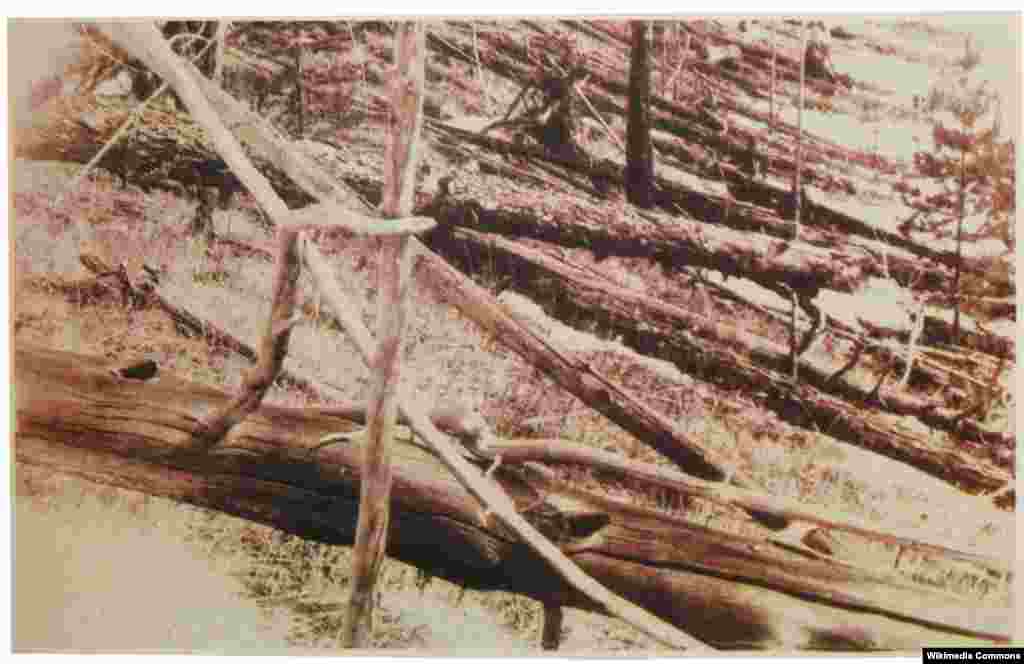
![Trees in Russia were burned down by the Tunguska meteoroid event in 1908, which was caused by the air burst of a large meteoroid or comet fragment at an altitude of 5-10 kilometers above the Earth's surface.]()
![A view of a multiple rocket launcher during an exercise in this undated photo released by North Korea's Korean Central News Agency (KCNA) in Pyongyang.]()
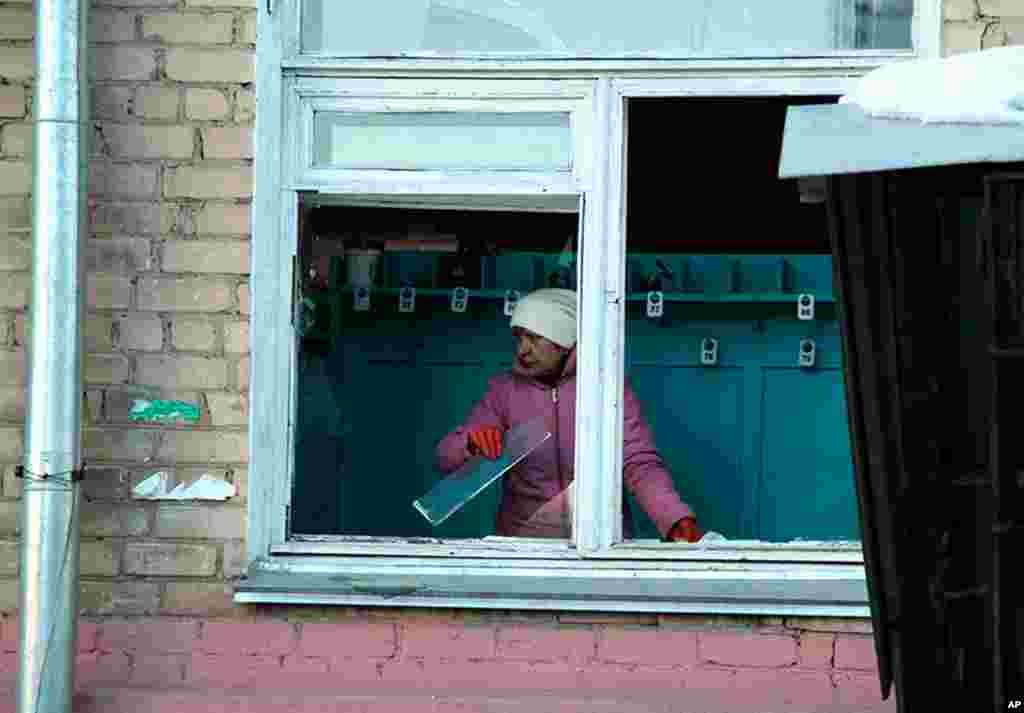
![A woman cleans away glass debris from a window after the meteorite explosion, February 15, 2013.]()
ຫາຊີ້ນສ່ວນ ຂອງສະເກັດດາວຂະໜາດໃຫຍ່ ທີ່ຕົກລົງໄປໃນ
ທະເລສາບ ຫຼັງ ຈາກໄດ້ແລ່ນຜ່ານທ້ອງຟ້າ ແລະເກີດລະເບີດ
ຢູ່ເທິງບໍລິເວນພູ Ural.
ປະຊາຊົນຣັດເຊຍຢູ່ໃນເຂດ Chelyabinsk ພາກັນຕື່ນຕົກໃຈ
ໃນຂະ ນະທີ່ສະເກັດດາວ ທີ່ມີນໍ້າໜັກເຖິງ 10 ໂຕນ ໄດ້ລະເບີດເປັນແສງຮຸ່ງຢູ່ເທິງທ້ອງຟ້າ ໃນວັນສຸກວານນີ້.
ເຫດລະເບີດດັ່ງກ່າວ ໄດ້ສົ່ງຄື້ນຄວາມສັ່ນສະເທືອນເຮັດໃຫ້ປະຕູປ່ອງ ຢ້ຽມແຕກ ທໍາຄວາມເສຍຫາຍໃຫ້ແກ່ຕຶກອາຄານຕ່າງໆ ແລະເຮັດໃຫ້ 1,100 ກວ່າຄົນໄດ້ຮັບບາດເຈັບ. ລັດຖະມົນຕີພາຍໃນຣັດເຊຍກ່າວວ່າ ການບາດເຈັບສ່ວນໃຫຍ່ ເກີດຈາກແກ້ວແຕກ ທີ່ຟົ້ງໄປໃສ່.
ຜູ້ອຳນວຍການຝ່າຍວິທະຍາກ່ຽວກັບໂລກມະນຸດ ທີ່ອົງການ ອະວະ ກາດສະຫະລັດຫຼື NASA ກ່າວວ່າ ເຫດການນີ້ແມ່ນໄດ້ຮັບການຍົກ ເວັ້ນເປັນພິເສດ.
ທ່ານ Jim Green ກ່າວໃນວັນສຸກວານນີ້ວ່າ “ລູກລະເບີດໄຟ” ຊະ ນິດໃດຊະນິດນຶ່ງ ແມ່ນເກີດຂື້ນເປັນປົກກະຕິຢູ່ທຸກໆມື້ ແຕ່ສ່ວນຫລາຍແລ້ວບໍ່ມີຄົນເຫັນ ເພາະວ່າມັນໄດ້ຕົກລົງໃສ່ມະຫາສະມຸດ ຫລືຢູ່ບ່ອນສອກຫລີກຫ່າງໄກຕ່າງໆ.
ສະຖາບັນວິທະຍາສາດຂອງຣັດເຊຍ ກ່າວວ່າ ສະເກັດດາວດັ່ງກ່າວໄດ້ ແລ່ນເຂົ້າມາສູ່ບັນຍາກາດຂອງໂລກມະນຸດ ດ້ວຍຄວາມໄວຢ່າງໜ້ອຍ 54,000 ກິໂລແມດຕໍ່ຊົ່ວໂມງ.
ການແລ່ນເຂົ້າມາຂອງສະເກັດດາວດັ່ງກ່າວມີຂຶ້ນພຽງບໍ່ເທົ່າໄດຊົ່ວໂມງ ກ່ອນທີ່ກ້ອນຫີນໃຫຍ່ຈາກອະວະກາດຫລື Asteroid ທີ່ຮູ້ກັນໃນນາມ 2012 DA14 ໄດ້ຜ່ານເຂົ້າ
ມາລະຫວ່າງໂລກມະນຸດ ແລະບັນດາດາວ ທຽມ ທີ່ກໍາລັງໂຄຈອນອ້ອມໂລກຢູ່ນັ້ນ.
ອົງການ NASA ກ່າວວ່າ ກ້ອນຫີນໃຫຍ່ ຫລື Asteroid ທີ່ມີຄວາມກວ້າງ 45 ແມັດ ໄດ້ໂຄຈອນຜ່ານເຂົ້າມາໃກ້ໂລກມະນຸດເຮົາປະມານ 27,000 ກິໂລແມັດ.
ປະມວນພາບ ສະເກັດດາວຕົກ ສ້າງຄວາມແຕກຕື່ນ ຢູ່ຣັດເຊຍ
A plunging meteor exploded today above central Russia, setting off a shock wave that shattered windows and hurt over 500 people.
ເບິ່ງຕື່ມອີກ
Show less
A plunging meteor exploded today above central Russia, setting off a shock wave that shattered windows and hurt over 500 people.
ເບິ່ງຕື່ມອີກ
Show less
A plunging meteor exploded today above central Russia, setting off a shock wave that shattered windows and hurt over 500 people.
ເບິ່ງຕື່ມອີກ
Show less
A plunging meteor exploded today above central Russia, setting off a shock wave that shattered windows and hurt over 500 people.
ເບິ່ງຕື່ມອີກ
Show less
A plunging meteor exploded today above central Russia, setting off a shock wave that shattered windows and hurt over 500 people.
ເບິ່ງຕື່ມອີກ
Show less
A plunging meteor exploded today above central Russia, setting off a shock wave that shattered windows and hurt over 500 people.
ເບິ່ງຕື່ມອີກ
Show less
A plunging meteor exploded today above central Russia, setting off a shock wave that shattered windows and hurt over 500 people.
ເບິ່ງຕື່ມອີກ
Show less
A plunging meteor exploded today above central Russia, setting off a shock wave that shattered windows and hurt over 500 people.
ເບິ່ງຕື່ມອີກ
Show less
A plunging meteor exploded today above central Russia, setting off a shock wave that shattered windows and hurt over 500 people.
ເບິ່ງຕື່ມອີກ
Show less