



ບັນດາເຈົ້າໜ້າທີ່ຣັດເຊຍ ກ່າວວ່າ ສະເກັດດາວກ້ອນນຶ່ງ ໄດ້
ແລ່ນຜ່ານທ້ອງຟ້າຂອງປະເທດຣັດເຊຍ ໃນເຂດພູ Ural ໃນ
ຕອນເຊົ້າວັນສຸກມື້ນີ້ ເຮັດໃຫ້ເກີດລະເບີດ ແລະປ່ອງຢ້ຽມແຕກ.
ເຈົ້າໜ້າທີ່ກ່າວວ່າ ຫລາຍກວ່າ 400 ຄົນຢູ່ໃນເຂດ Chelyabinsk ໄດ້ຮັບບາດເຈັບ ຊຶ່ງຈຳນວນນຶ່ງແມ່ນຖືກແກ້ວຈາກປ່ອງຢ້ຽມແຕກ.
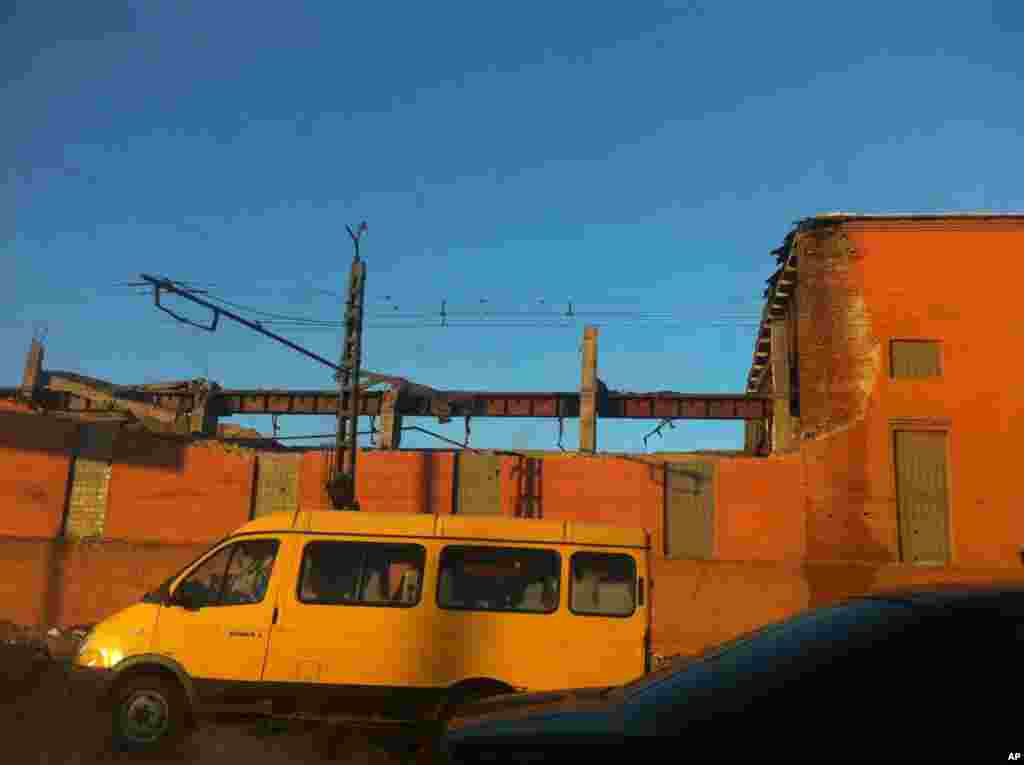
ບັນດາເຈົ້າໜ້າທີ່ທ້ອງຖິ່ນ ກ່າວວ່າ ຝາ ແລະຫລັງຄາຂອງໂຮງງານ ສັງກະສີ ທີ່ເມືອງ Chelyabinks ໄດ້ຮັບຄວາມເສຍຫາຍຈາກການເກີດລະເບີດ.
ບັນດາເຈົ້າໜ້າທີ່ກ່າວຕື່ມວ່າ ການບໍລິການທາງໂທລະສັບມືຖື ແມ່ນ ເປັນໄປແບບບໍ່ສະໝໍ່າສະເໝີ.
ສະເກັດດາວ ຕົກລົງມາພຽງບໍ່ເທົ່າໃດຊົ່ວໂມງ ກ່ອນທີ່ກ້ອນຫີນຂະ ໜາດໃຫຍ່ຈາກອະວະກາດ ຫຼື asteroid ທີ່ຮູ້ກັນໃນນາມ 2012 DA14 ມີກຳນົດທີ່ຈະໂຄຈອນເຂົ້າ
ມາໃກ້ໆກັບໂລກມະນຸດ. ອົງການ ອະວະກາດຂອງສະຫະລັດ ຫຼື NASA ກ່າວວ່າ ກ້ອນຫີນໃຫຍ່ທີ່ມີຄວາມກວ້າງ 45 ແມັດ ອາດຈະໂຄຈອນ ເຂົ້າມາໃກ້ກັບໂລກມະນຸດ ໃນລະຍະ 27,000 ກິໂລແມັດ. ອົງການ NASA ເນັ້ນໜັກວ່າ ເຖິງຢ່າງໃດກໍດີ ກ້ອນຫີນໃຫຍ່ກ້ອນນີ້ ບໍ່ເປັນອັນຕະລາຍທີ່ຈະມາໂຄຈອນ ເຂົ້າມາຕໍາກັບໂລກມະນຸດ.
ອົງການອະວະກາດຢູໂຣບ ກ່າວຜ່ານທາງ Twitter ວ່າ ສະເກັດດາວ ທີ່ຕົກຢູ່ປະເທດ
ຣັດເຊຍ ໃນວັນສຸກມື້ນີ້ ບໍ່ພົວພັນກັນກັບກ້ອນຫີນໃຫຍ່ ຈາກອະວະກາດແຕ່ຢ່າງໃດເລີຍ.

![The meteorite contrail is seen over Chelyabinsk, February 15, 2013. Photo provided by Chelyabinsk.ru.]()

![Workers repair a power line near the wall of a local zinc plant which was damaged by a shockwave from a meteor in Chelyabinsk, Russia, February 15, 2013.]()
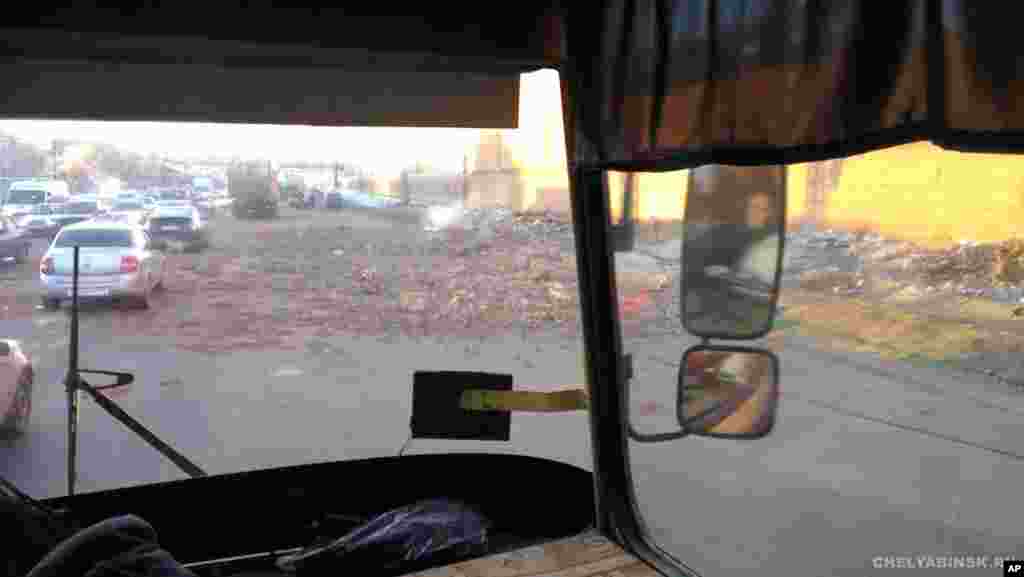
![Debris is shown in the Chelyabinsk region, February 15, 2013. Photo provided by Chelyabinsk.ru.]()

![The meteorite contrail is seen over the village of Bolshoe Sidelnikovo, February 15, 2013.]()
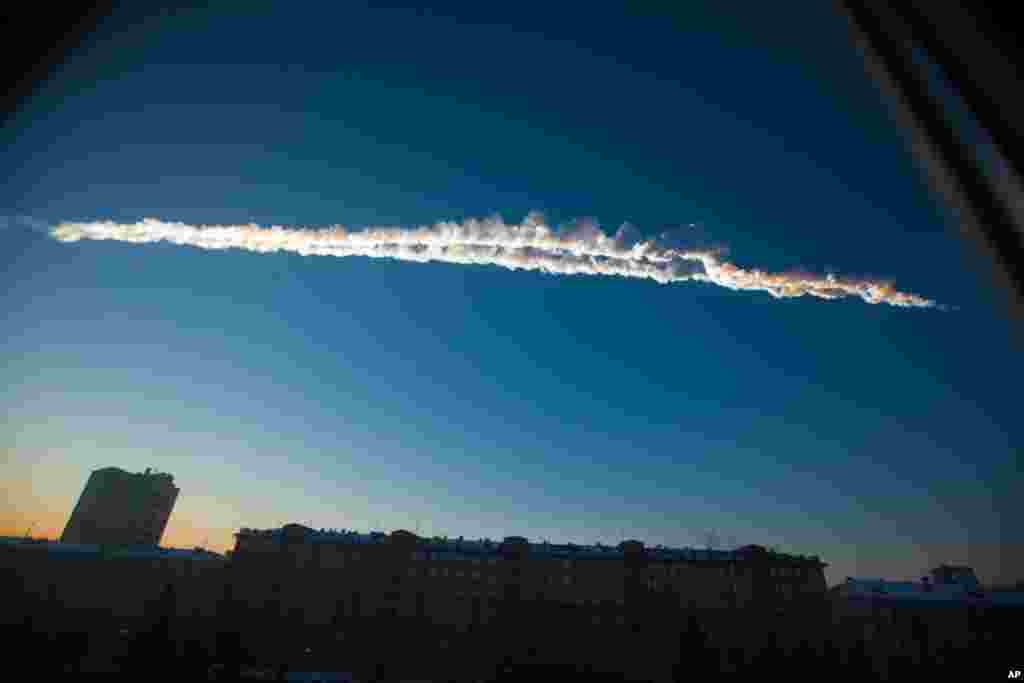
![The meteorite contrail is seen over Chelyabinsk, February 15, 2013. Photo provided by Chelyabinsk.ru.]()
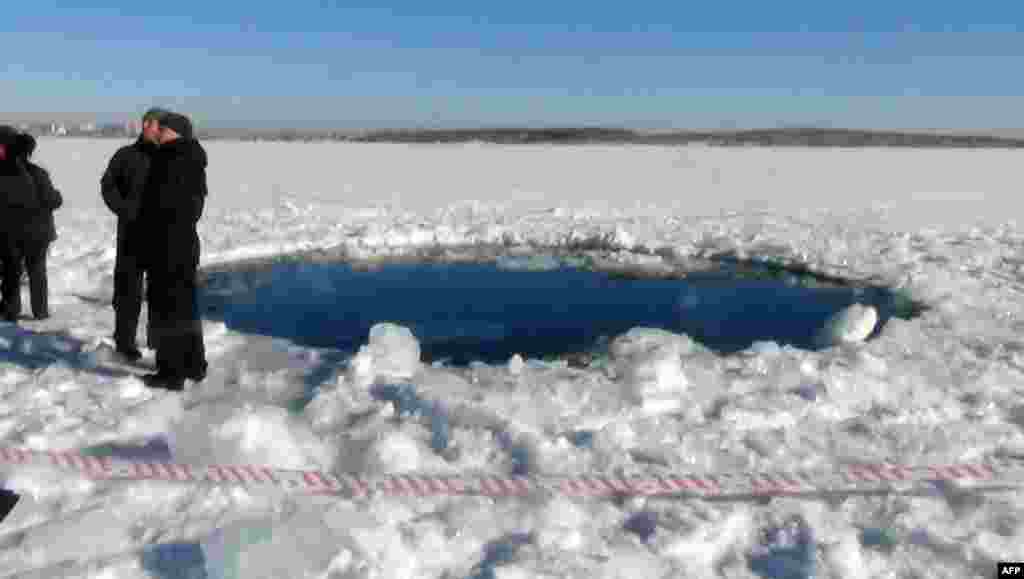
![People stand near a six-meter hole in the ice of a frozen lake, the site of a meteor fall, outside the town of Chebakul in the Chelyabinsk region. Photo: Chelyabinsk Region Police Department]()
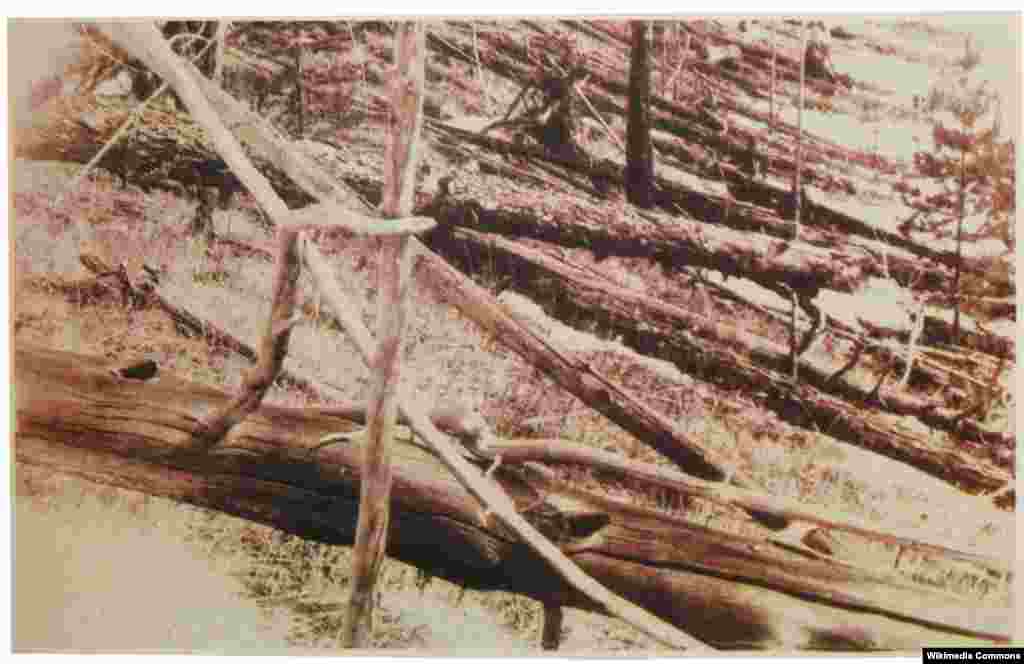
![Trees in Russia were burned down by the Tunguska meteoroid event in 1908, which was caused by the air burst of a large meteoroid or comet fragment at an altitude of 5-10 kilometers above the Earth's surface.]()
![A view of a multiple rocket launcher during an exercise in this undated photo released by North Korea's Korean Central News Agency (KCNA) in Pyongyang.]()
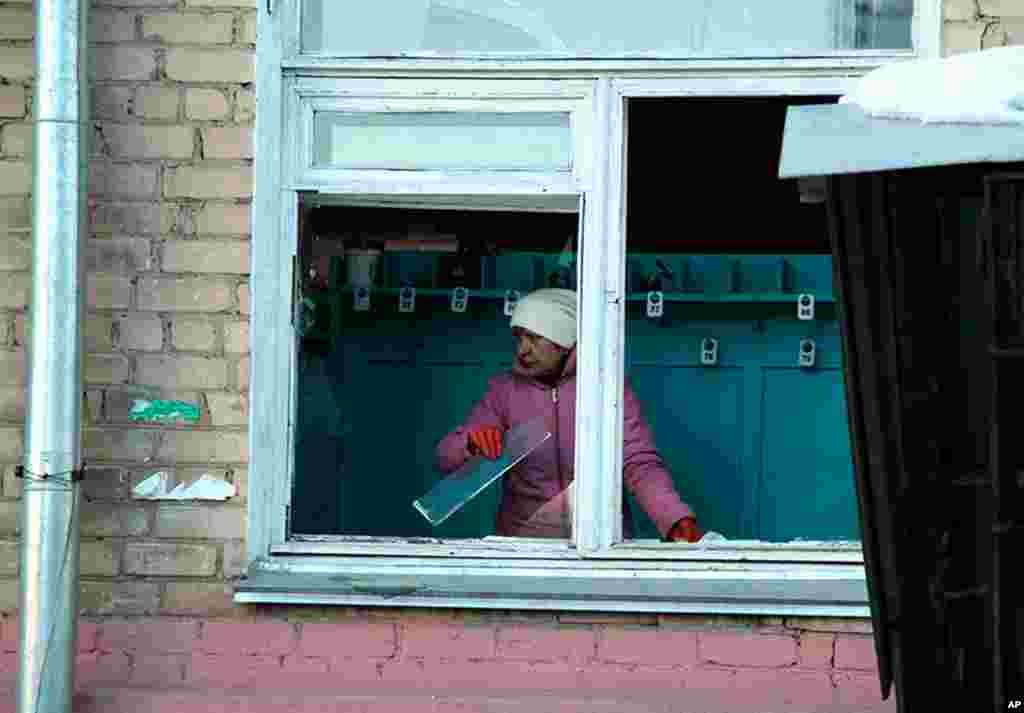
![A woman cleans away glass debris from a window after the meteorite explosion, February 15, 2013.]()
ແລ່ນຜ່ານທ້ອງຟ້າຂອງປະເທດຣັດເຊຍ ໃນເຂດພູ Ural ໃນ
ຕອນເຊົ້າວັນສຸກມື້ນີ້ ເຮັດໃຫ້ເກີດລະເບີດ ແລະປ່ອງຢ້ຽມແຕກ.
ເຈົ້າໜ້າທີ່ກ່າວວ່າ ຫລາຍກວ່າ 400 ຄົນຢູ່ໃນເຂດ Chelyabinsk ໄດ້ຮັບບາດເຈັບ ຊຶ່ງຈຳນວນນຶ່ງແມ່ນຖືກແກ້ວຈາກປ່ອງຢ້ຽມແຕກ.
ບັນດາເຈົ້າໜ້າທີ່ທ້ອງຖິ່ນ ກ່າວວ່າ ຝາ ແລະຫລັງຄາຂອງໂຮງງານ ສັງກະສີ ທີ່ເມືອງ Chelyabinks ໄດ້ຮັບຄວາມເສຍຫາຍຈາກການເກີດລະເບີດ.
ບັນດາເຈົ້າໜ້າທີ່ກ່າວຕື່ມວ່າ ການບໍລິການທາງໂທລະສັບມືຖື ແມ່ນ ເປັນໄປແບບບໍ່ສະໝໍ່າສະເໝີ.
ສະເກັດດາວ ຕົກລົງມາພຽງບໍ່ເທົ່າໃດຊົ່ວໂມງ ກ່ອນທີ່ກ້ອນຫີນຂະ ໜາດໃຫຍ່ຈາກອະວະກາດ ຫຼື asteroid ທີ່ຮູ້ກັນໃນນາມ 2012 DA14 ມີກຳນົດທີ່ຈະໂຄຈອນເຂົ້າ
ມາໃກ້ໆກັບໂລກມະນຸດ. ອົງການ ອະວະກາດຂອງສະຫະລັດ ຫຼື NASA ກ່າວວ່າ ກ້ອນຫີນໃຫຍ່ທີ່ມີຄວາມກວ້າງ 45 ແມັດ ອາດຈະໂຄຈອນ ເຂົ້າມາໃກ້ກັບໂລກມະນຸດ ໃນລະຍະ 27,000 ກິໂລແມັດ. ອົງການ NASA ເນັ້ນໜັກວ່າ ເຖິງຢ່າງໃດກໍດີ ກ້ອນຫີນໃຫຍ່ກ້ອນນີ້ ບໍ່ເປັນອັນຕະລາຍທີ່ຈະມາໂຄຈອນ ເຂົ້າມາຕໍາກັບໂລກມະນຸດ.
ອົງການອະວະກາດຢູໂຣບ ກ່າວຜ່ານທາງ Twitter ວ່າ ສະເກັດດາວ ທີ່ຕົກຢູ່ປະເທດ
ຣັດເຊຍ ໃນວັນສຸກມື້ນີ້ ບໍ່ພົວພັນກັນກັບກ້ອນຫີນໃຫຍ່ ຈາກອະວະກາດແຕ່ຢ່າງໃດເລີຍ.
ປະມວນພາບ ສະເກັດດາວຕົກ ສ້າງຄວາມແຕກຕື່ນ ຢູ່ຣັດເຊຍ
A plunging meteor exploded today above central Russia, setting off a shock wave that shattered windows and hurt over 500 people.
A plunging meteor exploded today above central Russia, setting off a shock wave that shattered windows and hurt over 500 people.
A plunging meteor exploded today above central Russia, setting off a shock wave that shattered windows and hurt over 500 people.
A plunging meteor exploded today above central Russia, setting off a shock wave that shattered windows and hurt over 500 people.
A plunging meteor exploded today above central Russia, setting off a shock wave that shattered windows and hurt over 500 people.
A plunging meteor exploded today above central Russia, setting off a shock wave that shattered windows and hurt over 500 people.
A plunging meteor exploded today above central Russia, setting off a shock wave that shattered windows and hurt over 500 people.
A plunging meteor exploded today above central Russia, setting off a shock wave that shattered windows and hurt over 500 people.
A plunging meteor exploded today above central Russia, setting off a shock wave that shattered windows and hurt over 500 people.