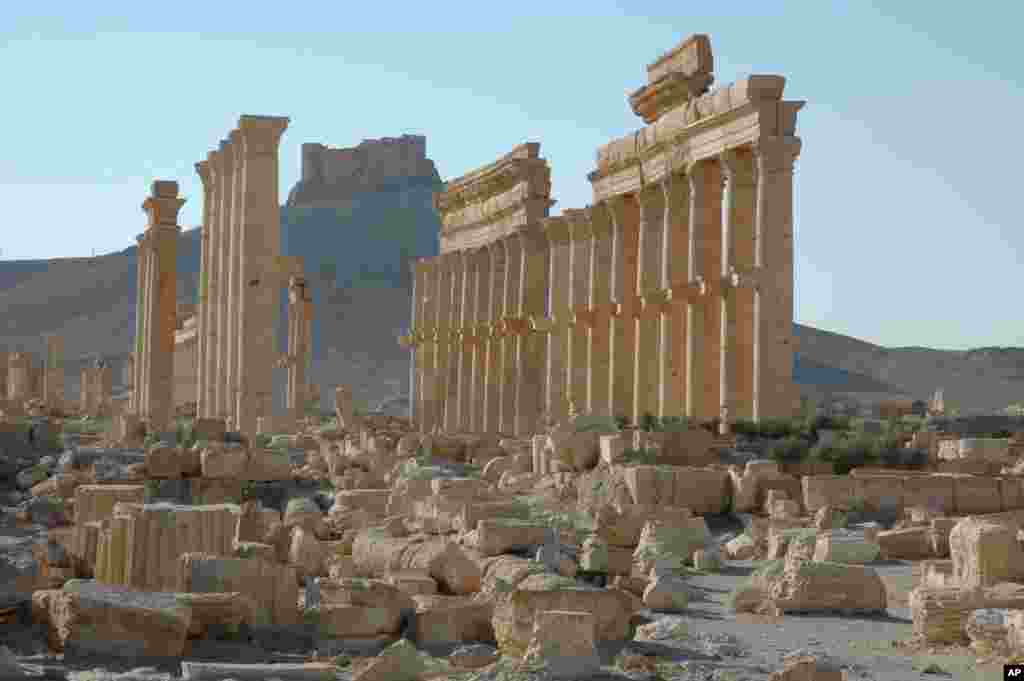
1/11In this undated photo released by the Syrian official news agency SANA, shows the site of the ancient city of Palmyra, Syria.
Backed by Russian airstrikes, pro-Syrian forces reclaimed control of the ancient city of Palmyra after a 10-month Islamic State occupation that included the destruction of several monuments dating back nearly 2,000 years.
ເບິ່ງຕື່ມອີກShow less
2/11FILE - This undated file image released by UNESCO shows the site of the ancient city of Palmyra in Syria.
Backed by Russian airstrikes, pro-Syrian forces reclaimed control of the ancient city of Palmyra after a 10-month Islamic State occupation that included the destruction of several monuments dating back nearly 2,000 years.
ເບິ່ງຕື່ມອີກShow less
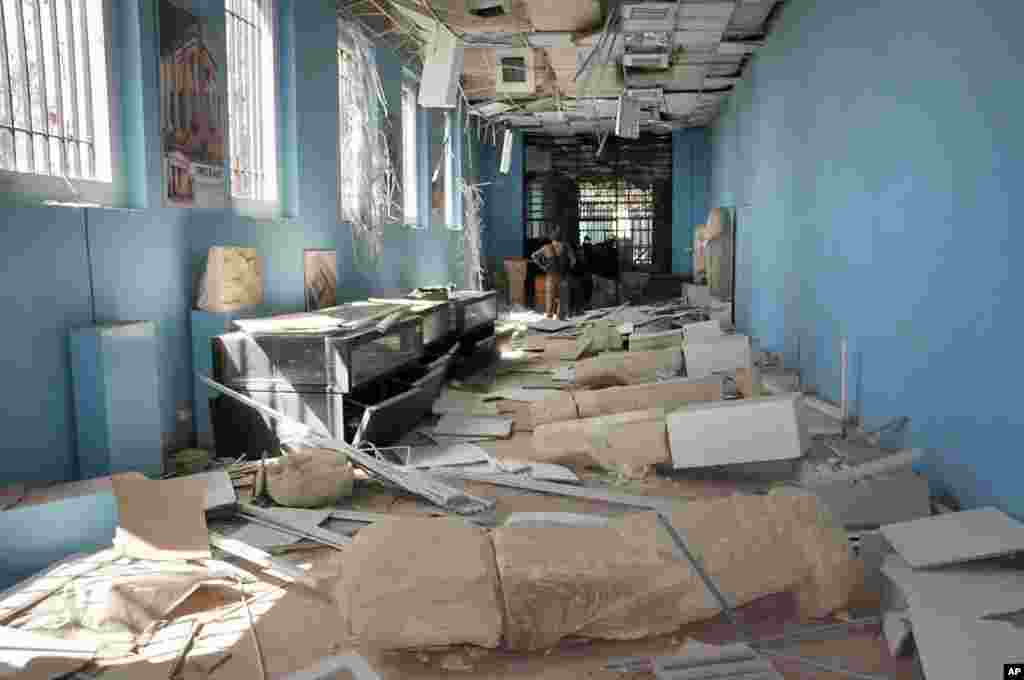
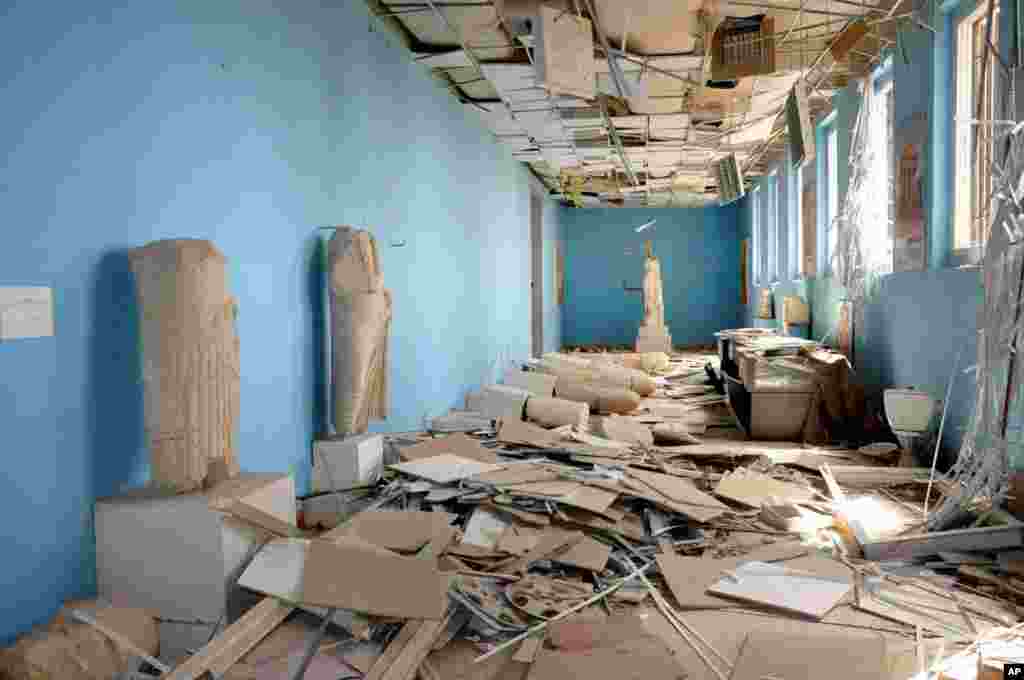
3/11This photo released on Sunday March 27, 2016, by the Syrian official news agency SANA, shows destroyed statues at the damaged Palmyra Museum, in Palmyra city, central Syria.
Backed by Russian airstrikes, pro-Syrian forces reclaimed control of the ancient city of Palmyra after a 10-month Islamic State occupation that included the destruction of several monuments dating back nearly 2,000 years.
ເບິ່ງຕື່ມອີກShow less
4/11This photo released on Sunday March 27, 2016, by the Syrian official news agency SANA, shows destroyed statues at the damaged Palmyra Museum, in Palmyra city, central Syria.
Backed by Russian airstrikes, pro-Syrian forces reclaimed control of the ancient city of Palmyra after a 10-month Islamic State occupation that included the destruction of several monuments dating back nearly 2,000 years.
ເບິ່ງຕື່ມອີກShow less
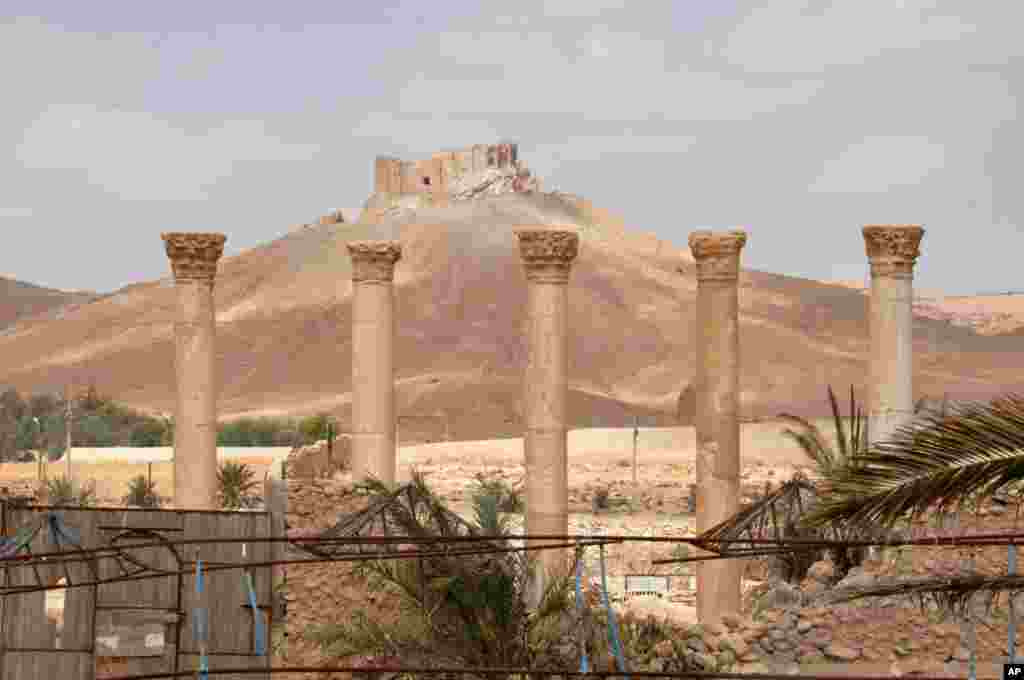
5/11This photo released on Sunday March 27, 2016, by the Syrian official news agency SANA, shows a general view of Palmyra citadel, central Syria.
Backed by Russian airstrikes, pro-Syrian forces reclaimed control of the ancient city of Palmyra after a 10-month Islamic State occupation that included the destruction of several monuments dating back nearly 2,000 years.
ເບິ່ງຕື່ມອີກShow less
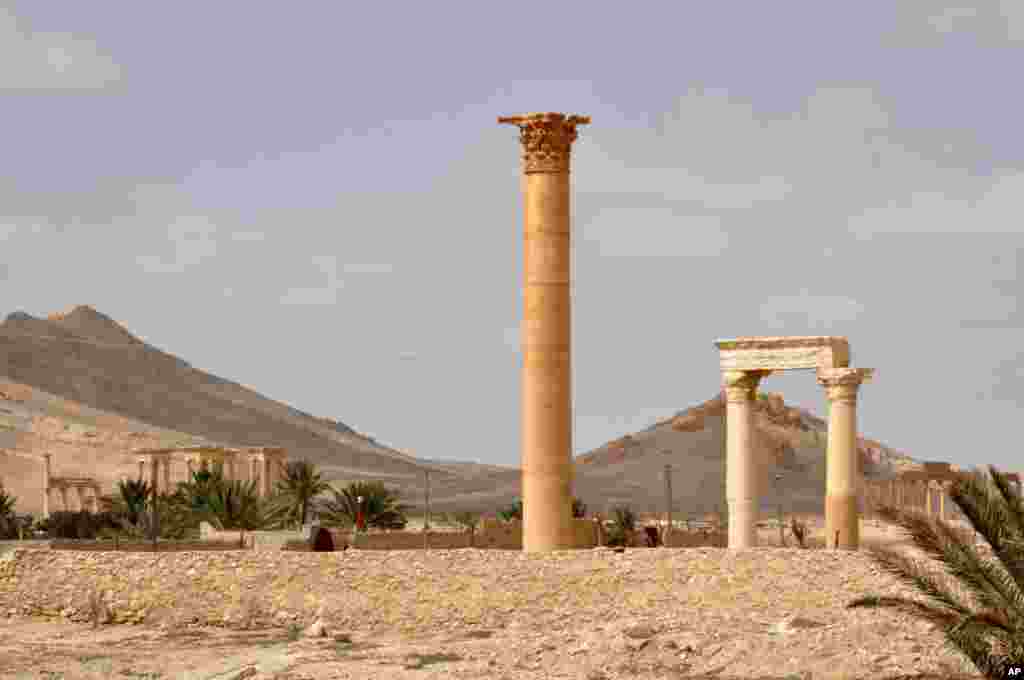
6/11This photo released on Sunday March 27, 2016, by the Syrian official news agency SANA, shows a general view of Palmyra, central Syria.
Backed by Russian airstrikes, pro-Syrian forces reclaimed control of the ancient city of Palmyra after a 10-month Islamic State occupation that included the destruction of several monuments dating back nearly 2,000 years.
ເບິ່ງຕື່ມອີກShow less
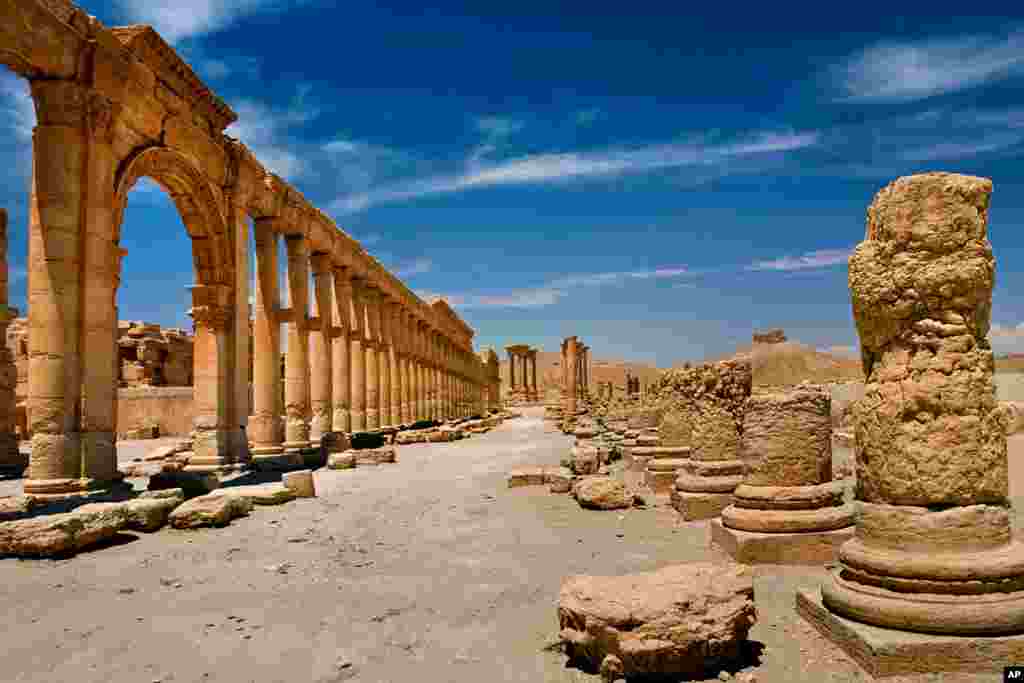
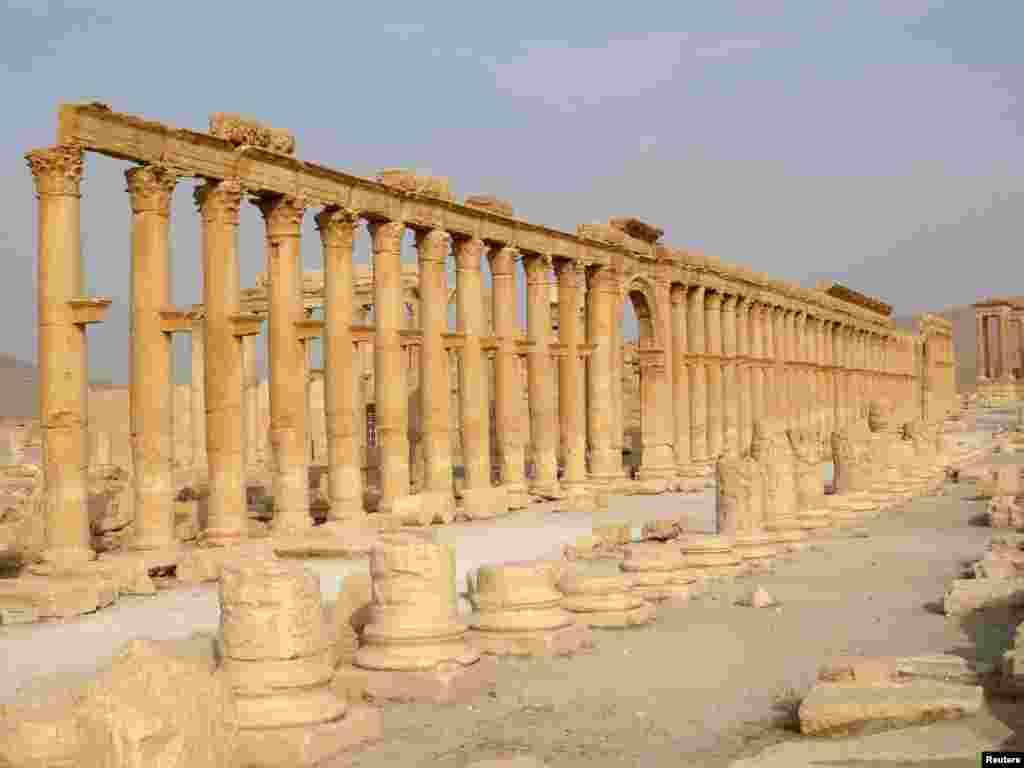
7/11The demolition of ancient monuments like this colonnade in the historical city of Palmyra, Syria was targeted by the Islamic State group and among cultural sites destroyed in 2015.
Backed by Russian airstrikes, pro-Syrian forces reclaimed control of the ancient city of Palmyra after a 10-month Islamic State occupation that included the destruction of several monuments dating back nearly 2,000 years.
ເບິ່ງຕື່ມອີກShow less
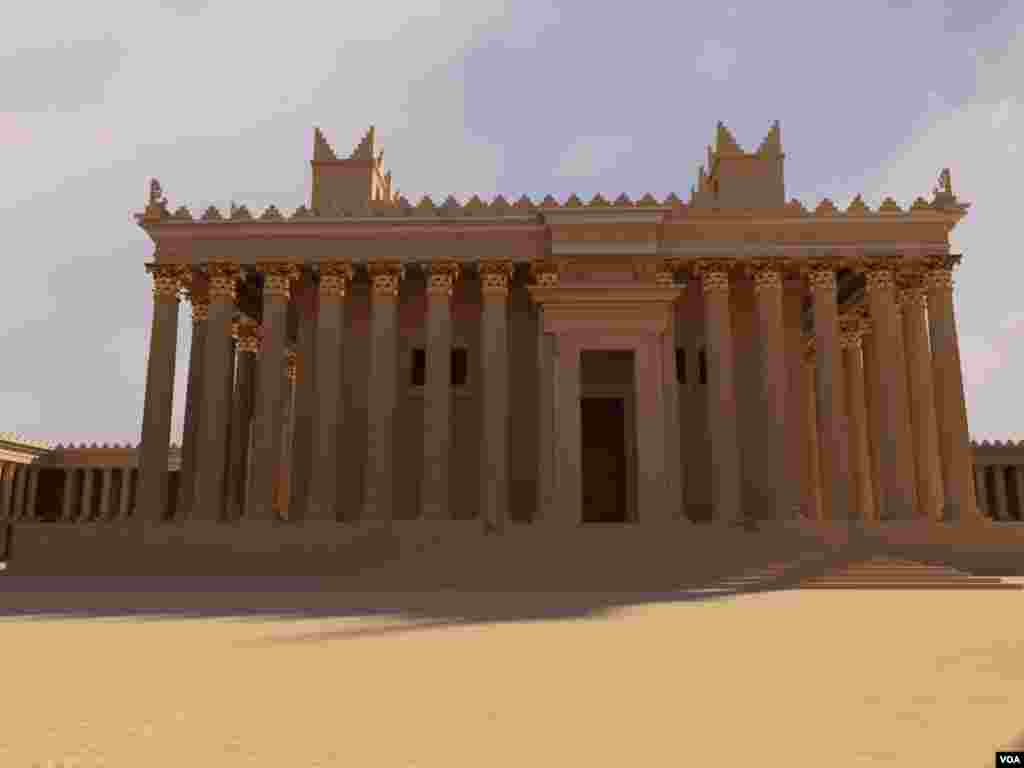
8/11One of the original renderings of the 3D model of Temple Bell, in Palmyra, made from Bassel Khartabil photographs. (Bassel, New Palmyra.org)
Backed by Russian airstrikes, pro-Syrian forces reclaimed control of the ancient city of Palmyra after a 10-month Islamic State occupation that included the destruction of several monuments dating back nearly 2,000 years.
ເບິ່ງຕື່ມອີກShow less
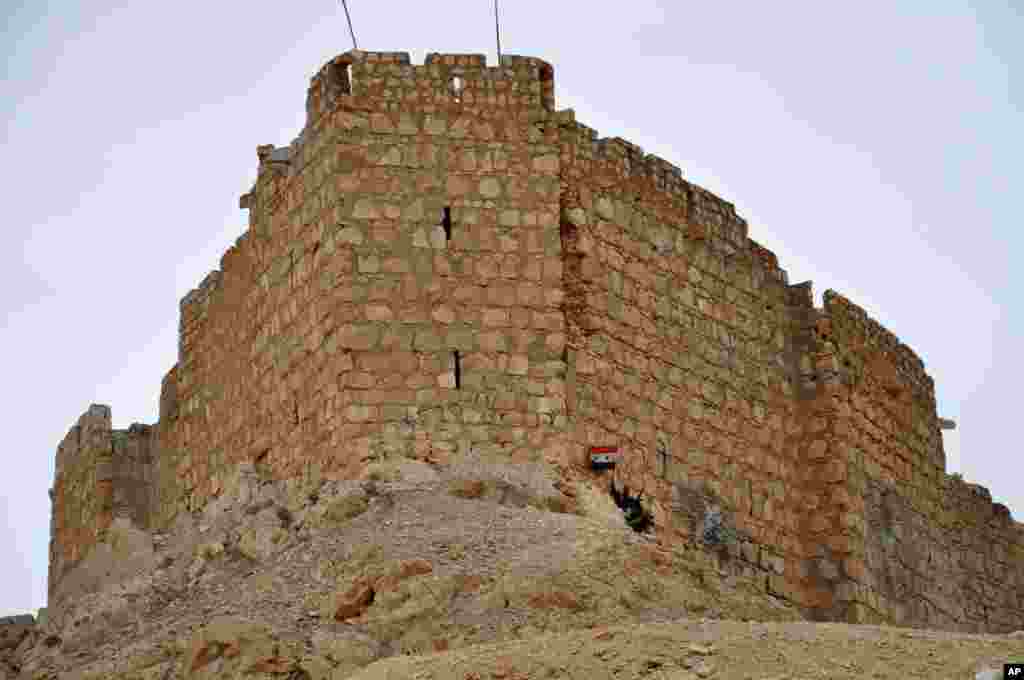
9/11In this photo released by the Syrian official news agency SANA, a Syrian soldier holds a Syrian national flag in front of the Palmyra citadel, March 27, 2016.
Backed by Russian airstrikes, pro-Syrian forces reclaimed control of the ancient city of Palmyra after a 10-month Islamic State occupation that included the destruction of several monuments dating back nearly 2,000 years.
ເບິ່ງຕື່ມອີກShow less
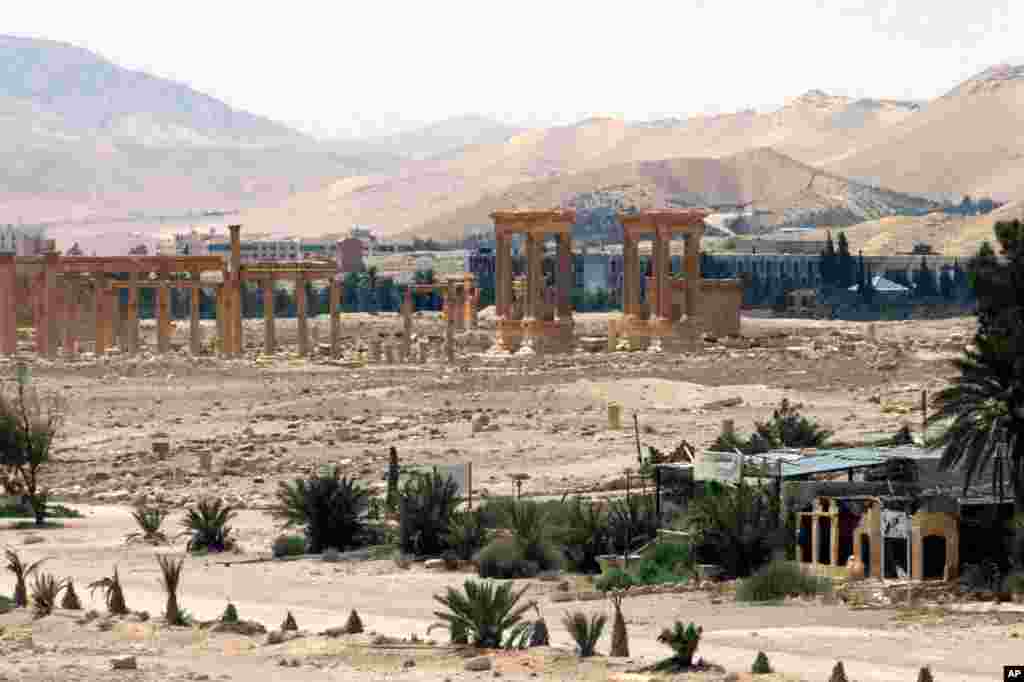
10/11FILE - This file photo released on Sunday, May 17, 2015, by the Syrian official news agency SANA, shows the general view of the ancient Roman city of Palmyra, northeast of Damascus, Syria.
Backed by Russian airstrikes, pro-Syrian forces reclaimed control of the ancient city of Palmyra after a 10-month Islamic State occupation that included the destruction of several monuments dating back nearly 2,000 years.
ເບິ່ງຕື່ມອີກShow less
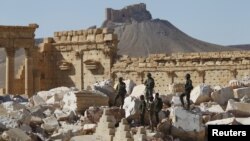
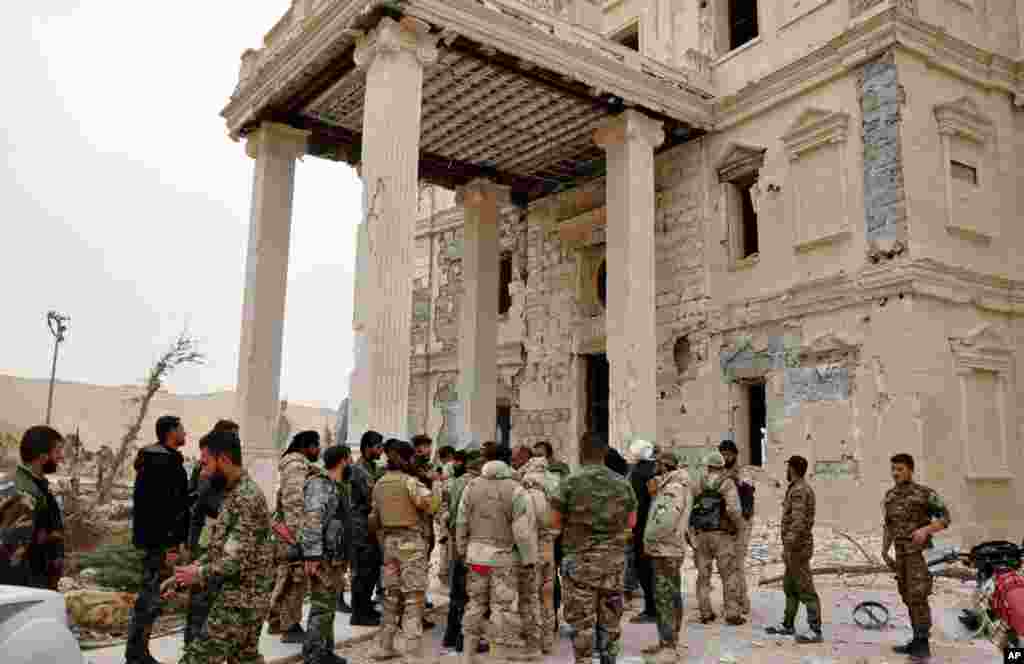
11/11In this photo released on March 24, 2016, by the Syrian official news agency SANA, Syrian government soldiers gather outside a damaged palace, in Palmyra, central Syria.
Backed by Russian airstrikes, pro-Syrian forces reclaimed control of the ancient city of Palmyra after a 10-month Islamic State occupation that included the destruction of several monuments dating back nearly 2,000 years.