

ລິ້ງ ສຳຫລັບເຂົ້າຫາ

ວັນພຸດ, 10 ມິຖຸນາ 2026

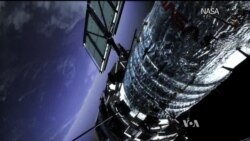
ສຸກສັນວັນເກີດ ຄົບຮອບ 25 ປີ ຂອງກ້ອງໂທລະທັດ Hubble ຢູ່ອະວະກາດ

Hubble Telescope Celebrates 25 Years in Space
please wait

No media source currently available

0:00 0:02:56 0:00

ວັນ​ເສົາມື້​ນີ້ິ ແມ່ນວັນຄົບຮອບຊາວ​ຫ້າ​ປີ​ ໃນການປ່ອຍກ້ອງໂທ
ລະທັດ Hubble ​ຈາກຍານ​ອະວະ​ກາດໄປກັບ Discovery ທີ່
​ບັນຈຸ​ອຸບປະກອນ​ຕ່າງໆ ທີ່​ອອກ​ແບບ​ເພື່ອບອກ​ໃຫ້​ພວກ​ເຮົາ​ຮູ້
ກ່ຽວ​ກັບ​ຈັກກະວານ.

ມັນໄດ້ປະສົບ​ຜົນສຳ​ເລັດ ​ໃນ​ການຖ່າຍເອົາພາບ​ມະຫັດສະຈັນ​
ຕ່າງໆ ​ຢູ່​ໃນ​ອະ ວະກາດ.

ທ່ານ John Grunsfeld ນັກ​ບິນ​ອະວະກາດທີ່ກຳກັບນຳກ້ອງ
ໂທລະທັດ Hub-ble ​ແລະຄະນະ​ຜູ້​ບໍລິຫານ​ປົກຄອງ ການ​ປະ
ຕິບັດ​ງານດ້ານວິທະຍາສາດ ຂອງ​ອົງການອະວະກາດສະຫະ
ລັດ ຫຼື NASA ກ່າວວ່າ “ກ້ອງໂທລະທັດ Hubble ​ໄດ້​ປ່ຽນ​ທິດທາງ​ວິທະຍາສາດ ດ້ວຍ
​ການ​ຄົ້ນ​ພົບ ​ແລະ​ໄດ້​ສະ​ແດງ​ໃຫ້​ພວກ​ເຮົາ​ເຫັນ​ສ່ວນ​ເລິກແລບ​ແລະ​ຄວາມ​ງາມ​ຂອງ​
ຈັກກະວານ. ກ້ອງໂທລະທັດ Hubble ຍັງຈະ​ສືບຕໍ່​ເປີ​ດ​ເຜີ​ຍໃຫ້ຮູ້​ເຖິງຄວາມ​ລີ້ລັບ​ອັນ​
ກວ້າ​ງ​ໃຫຍ່ຂອງຈັກກະວານ​ ​ໃນ​ຊຸມປີຕໍ່ໜ້າ.

ກ້ອງໂທລະທັດ Hubble ​ໄດ້​ຈັບ​ເອົາ​ພາບ​ຂອງ​ລະບົບ​ລະບົບ​ສຸລິຍະຈັກກະວານ ​ແລະ
​ໄກອອກ​ໄປ​ກວ່ານັ້ນ ທີ່ໄດ້​ປ່ຽນແປງໃນດ້ານ​ດາຣາສາດ​ຕະຫລອດ​ໄປ.

ການ​ຄົ້ນຄວ້າ​ຂອງ Hubble ​ໄດ້​ຄົ້ນພົບໃນເກືອບ​ທຸກໆ​ດ້ານກ່ຽວກັບວິຊາດາຣາ​ສາດ
ໃນດ້ານຄວາມ​ເລິກ​ແລບ​ ຂອງອະວະກາ​ດ ຮວມທັງ​ການ​ຂະຫຍາຍ ​ແລະ​ອັດຕາ​ການ​
ເລັ່ງລັດຄວາມໄວຂອງ​ຈັກກະວານ ການກໍ່ຕົວຂອງກາແລັກຊີ​ໃນ​ຂັ້ນ ເລີ້ມຕົ້ນ ບໍ່ດົນ
|ຫລັງ​ຈາກ​ການລະ​ເບີດ​ທີ່ເອີ້ນວ່າ Big Bang ຕະຫລອດທັສານ ເຄມີ ​ແລະດາວເຄາະ
ຕ່າງໆ ທີ່ອາດອາໄສຢູ່ໄດ້ ທີ່ໂຄຈອນອ້ອມດວງດາວອື່ນໆ ນັ້ນ.

ພາບເດັ່ນໃນອາວະກາດ ທີ່ຖ່າຍໂດຍກ້ອງສ່ອງ ອາວະກາດ Hubble
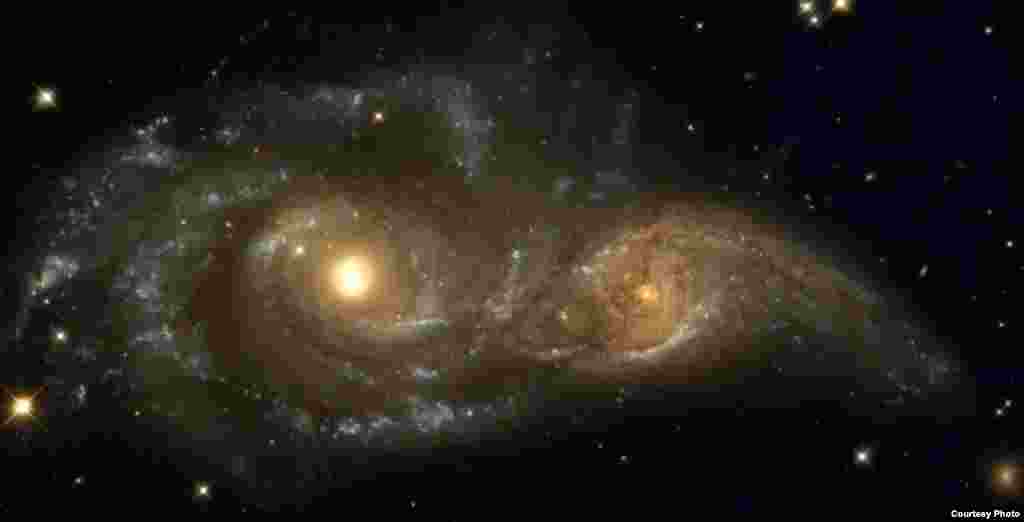
The near collision of two spiral galaxies taken by NASA's Hubble Space Telescope and its Wide Field Planetary Camera 2 on Nov. 4, 1999. (NASA)
1/12 The near collision of two spiral galaxies taken by NASA's Hubble Space Telescope and its Wide Field Planetary Camera 2 on Nov. 4, 1999. (NASA)
The Hubble Space Telescope has changed the way we see the universe. For a quarter of a century, it has sent vast amounts of data and images from space.
Almost immediately after the Hubble Space Telescope was launched in 1990, Hubble scientists saw fuzzy images (left), which were corrected (right) with new instruments by shuttle astronauts three years later.  (NASA)
2/12 Almost immediately after the Hubble Space Telescope was launched in 1990, Hubble scientists saw fuzzy images (left), which were corrected (right) with new instruments by shuttle astronauts three years later. (NASA)
The Hubble Space Telescope has changed the way we see the universe. For a quarter of a century, it has sent vast amounts of data and images from space.
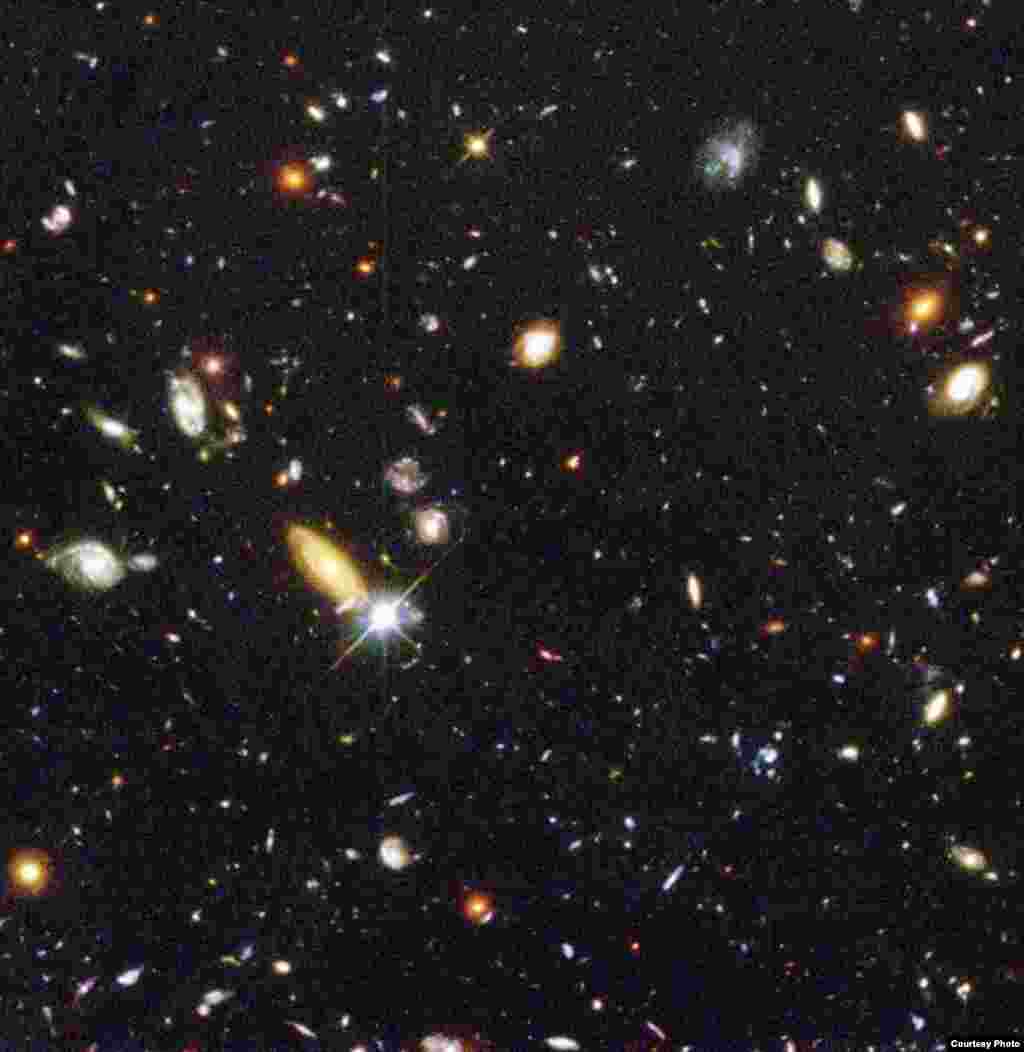
Among its remarkable discoveries is a deeper understanding of the evolution of the universe and capturing images of galaxies that may have formed less than one billion years after the Big Bang, Jan. 15, 1996. (NASA)
3/12 Among its remarkable discoveries is a deeper understanding of the evolution of the universe and capturing images of galaxies that may have formed less than one billion years after the Big Bang, Jan. 15, 1996. (NASA)
The Hubble Space Telescope has changed the way we see the universe. For a quarter of a century, it has sent vast amounts of data and images from space.
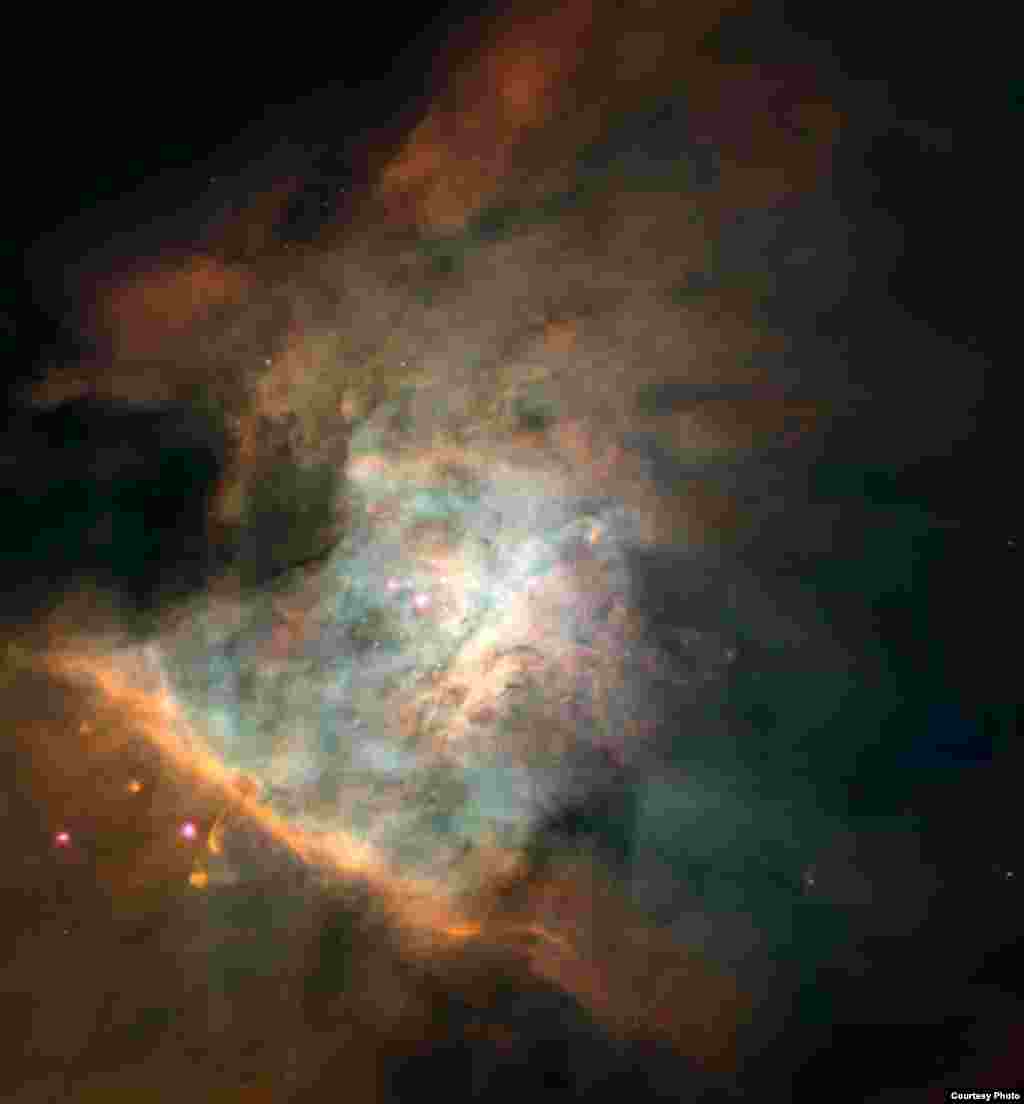
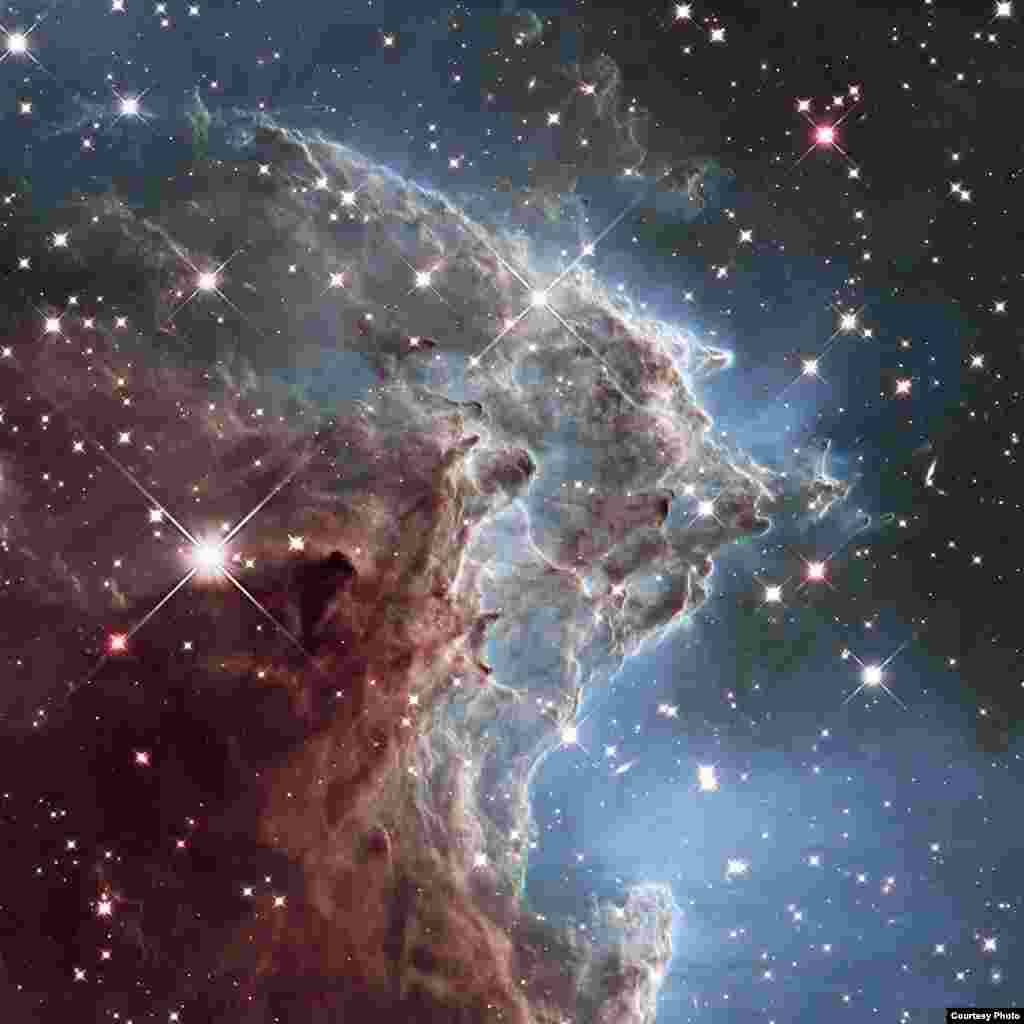
This image surveys star birth in the Great Orion Nebula, which is located 6,500 light-years from Earth and is the remnant of a star that began its life with about 10 times the mass of our own Sun. (NASA)
4/12 This image surveys star birth in the Great Orion Nebula, which is located 6,500 light-years from Earth and is the remnant of a star that began its life with about 10 times the mass of our own Sun. (NASA)
The Hubble Space Telescope has changed the way we see the universe. For a quarter of a century, it has sent vast amounts of data and images from space.
This image surveys star birth in the Great Orion Nebula, which is located 6,500 light-years from Earth and is the remnant of a star that began its life with about 10 times the mass of our own Sun. (NASA)
5/12 This image surveys star birth in the Great Orion Nebula, which is located 6,500 light-years from Earth and is the remnant of a star that began its life with about 10 times the mass of our own Sun. (NASA)
The Hubble Space Telescope has changed the way we see the universe. For a quarter of a century, it has sent vast amounts of data and images from space.
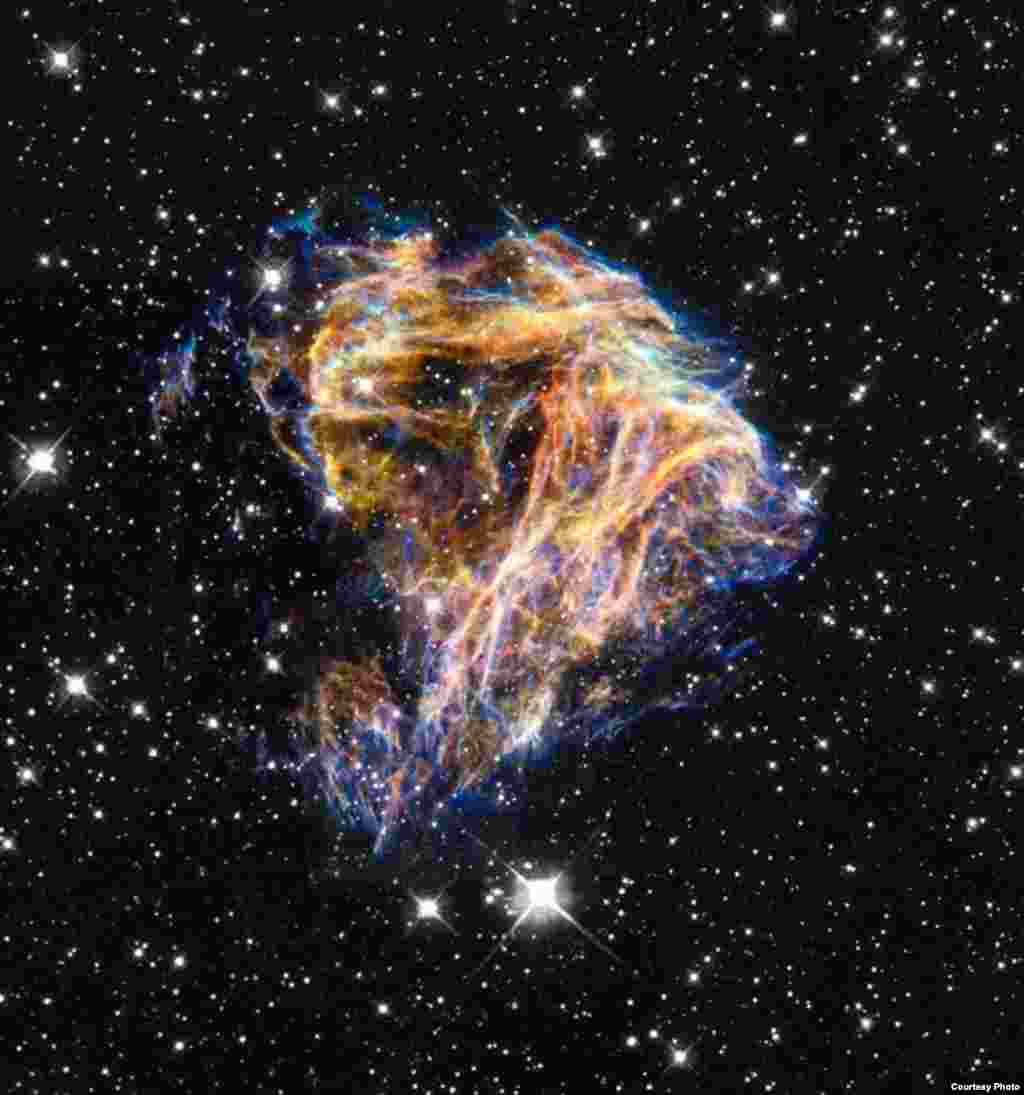
These delicate filaments are actually sheets of debris from a stellar explosion. (NASA)
6/12 These delicate filaments are actually sheets of debris from a stellar explosion. (NASA)
The Hubble Space Telescope has changed the way we see the universe. For a quarter of a century, it has sent vast amounts of data and images from space.
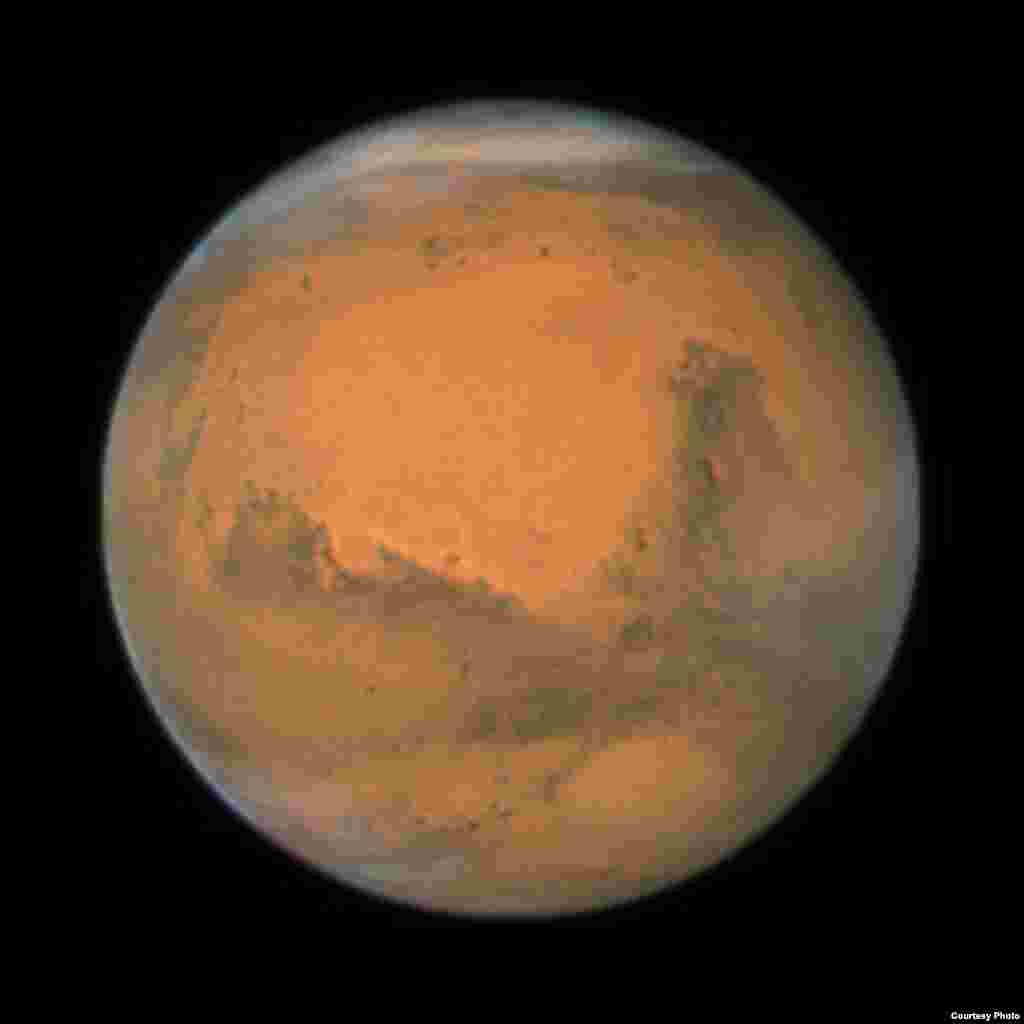
The Hubble Space Telescope took this close-up of Mars when it was just 88 million kilometers away. This image was assembled from a series of exposures taken over 36 hours. (NASA)
7/12 The Hubble Space Telescope took this close-up of Mars when it was just 88 million kilometers away. This image was assembled from a series of exposures taken over 36 hours. (NASA)
The Hubble Space Telescope has changed the way we see the universe. For a quarter of a century, it has sent vast amounts of data and images from space.
NASA's Hubble Space Telescope has trained its razor-sharp eye on one of the universe's most stately and photogenic galaxies, the Sombrero galaxy. (NASA)
8/12 NASA's Hubble Space Telescope has trained its razor-sharp eye on one of the universe's most stately and photogenic galaxies, the Sombrero galaxy. (NASA)
The Hubble Space Telescope has changed the way we see the universe. For a quarter of a century, it has sent vast amounts of data and images from space.
The two spiral galaxies started to interact a few hundred million years ago, making the Antennae galaxies one of the nearest and youngest examples of a pair of colliding galaxies. (NASA)
9/12 The two spiral galaxies started to interact a few hundred million years ago, making the Antennae galaxies one of the nearest and youngest examples of a pair of colliding galaxies. (NASA)
The Hubble Space Telescope has changed the way we see the universe. For a quarter of a century, it has sent vast amounts of data and images from space.
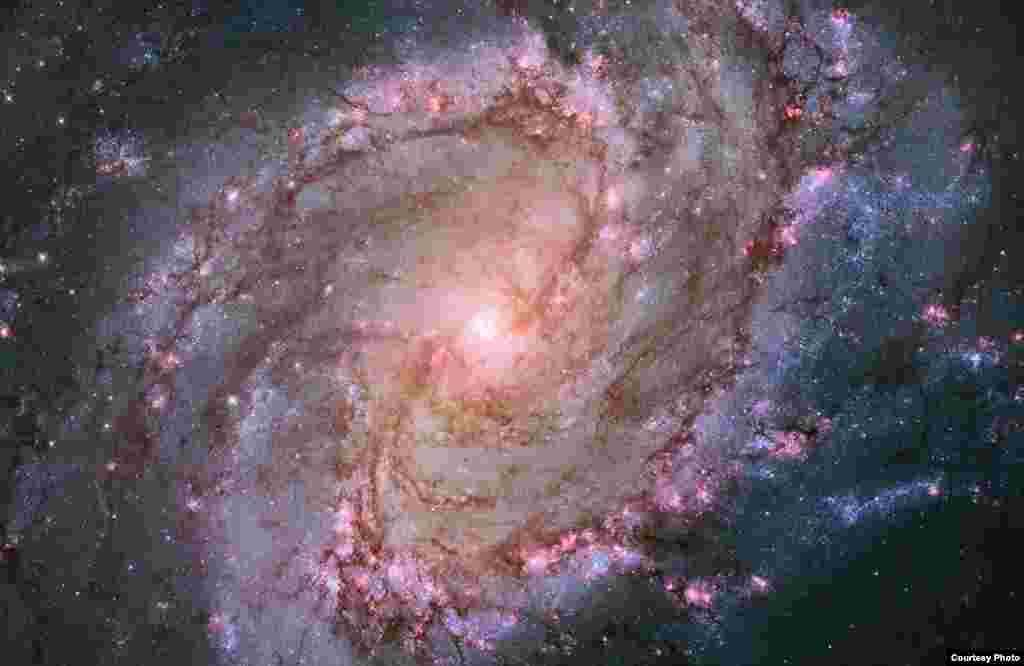
Vibrant magentas and blues reveal a galaxy ablaze with star formation. The galaxy, also known as the Southern Pinwheel, lies 15 million light-years away in the constellation Hydra. (NASA)
10/12 Vibrant magentas and blues reveal a galaxy ablaze with star formation. The galaxy, also known as the Southern Pinwheel, lies 15 million light-years away in the constellation Hydra. (NASA)
The Hubble Space Telescope has changed the way we see the universe. For a quarter of a century, it has sent vast amounts of data and images from space.
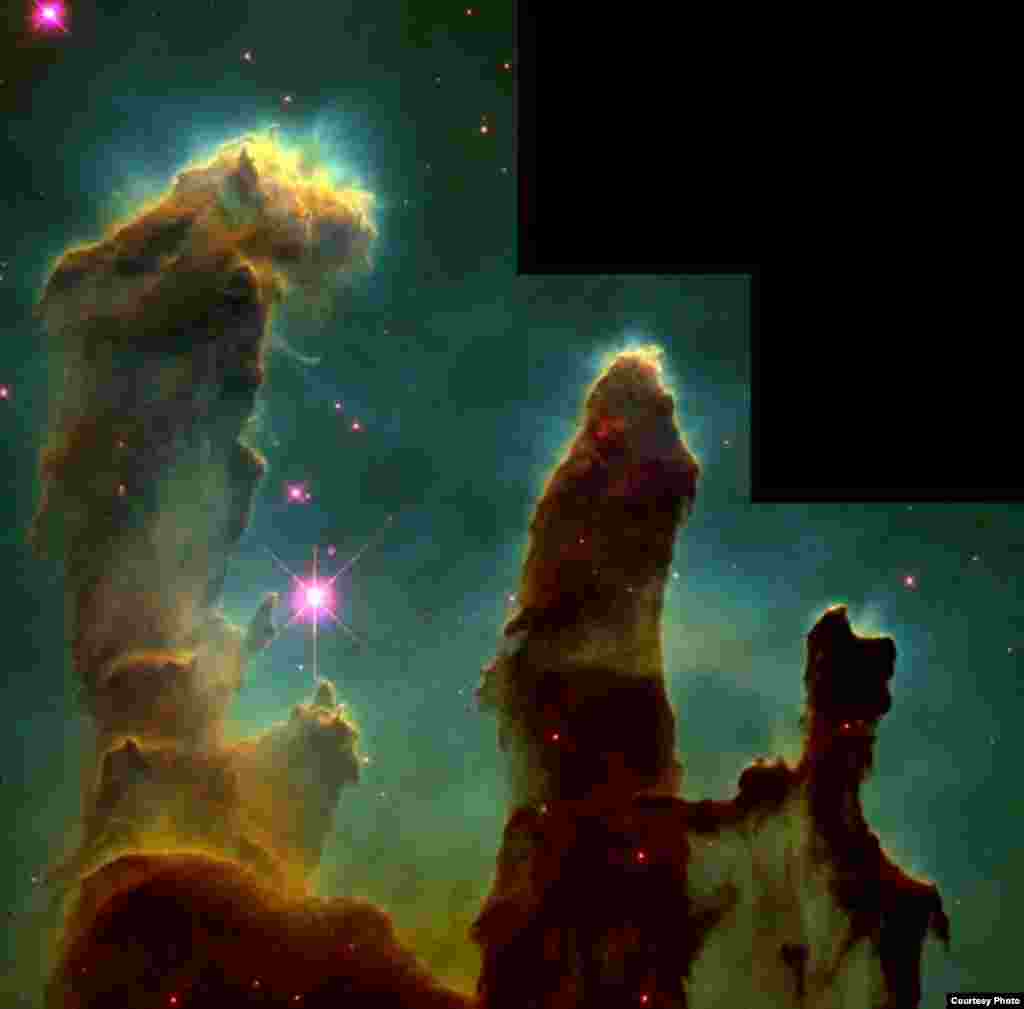
These eerie, dark pillar-like structures are actually columns of cool interstellar hydrogen gas and dust that are also incubators for new stars. (NASA)
11/12 These eerie, dark pillar-like structures are actually columns of cool interstellar hydrogen gas and dust that are also incubators for new stars. (NASA)
The Hubble Space Telescope has changed the way we see the universe. For a quarter of a century, it has sent vast amounts of data and images from space.
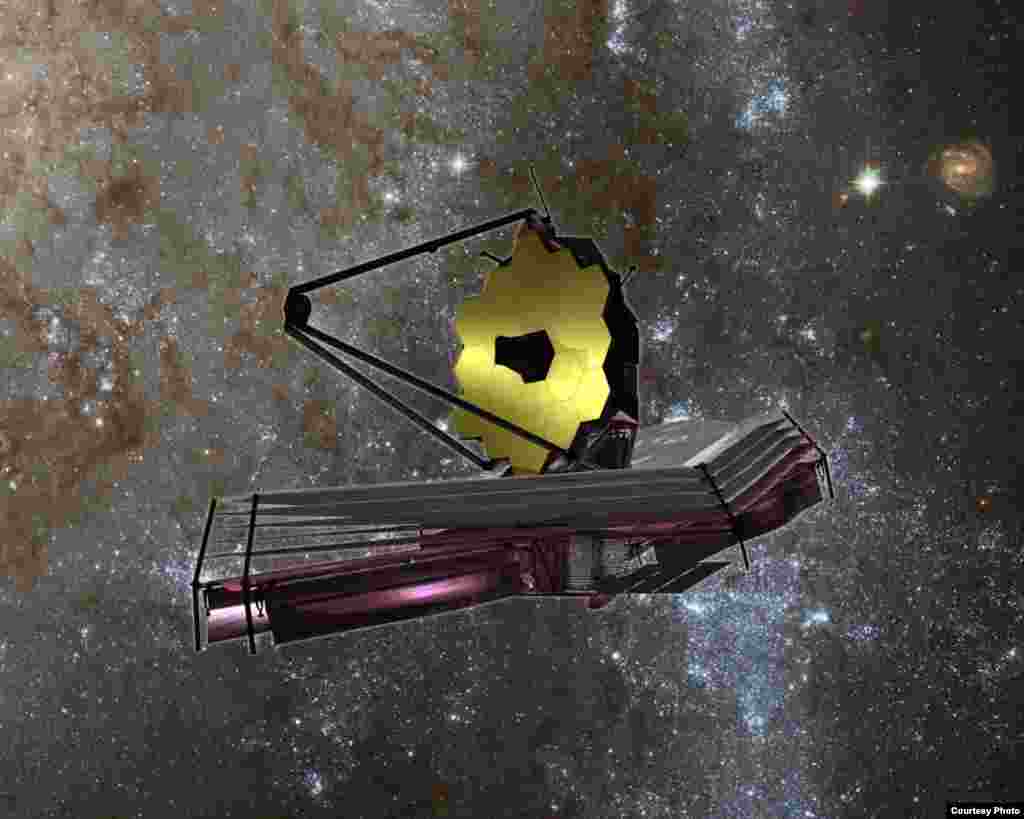
The James Webb Space Telescope with a mirror five times larger than Hubble’s will peer deeper into the infrared. (NASA/JWST)
12/12 The James Webb Space Telescope with a mirror five times larger than Hubble’s will peer deeper into the infrared. (NASA/JWST)
The Hubble Space Telescope has changed the way we see the universe. For a quarter of a century, it has sent vast amounts of data and images from space.
Previous slide
Next slide

ເປັນທີ່ຄາດກັນວ່າ ການ​ປະຕິບັດ​ງານຂອງກ້ອງໂທລະທັດດັ່ງກ່າວຈະສີ້​ນສຸດລົງ ໃນ​ປີ
2005 ​ແຕ່ມັນ​ຍັງ​ດຳ​ເນີນ​ງານ​ໄປ​ໄດ້​ຢ່າງ​ແຂງ​ຂັນ ຫລັງ​ຈາກການ​ປະຕິບັດງານ​ໄປສ້ອມ
ແປງຂອງ​ຍານ​ອະວະກາດໄປກັບຫ້າຄັ້ງ ຊຶ່ງຮວມການອອກໄປປະຕິບັດງານຢູ່ນອກຍານ
ທັງ​ໝົດ ຂອງພວກນັກບິນອະວະກາດ 32 ເທື່ອ ​ແລະ​ບັນດາ​ນັກວິທະຍາສາດຫລາຍໆ
​ທ່ານທີ່​ໄດ້​ເຮັດ​ວຽກ ​ກ່ຽວກັບກ້ອງໂທລະທັດດັ່ງກ່າວ.

ຢູ່ທີ່ສະຫະລັດ ເອກກະສານໃນດ້ານການສຶກສາຂອງກ້ອງໂທລະທັດ Hubble ໄດ້ມີ
ການນຳໃຊ້ໂດຍພວກນາຍຄູ 5 ແສນຄົນ ແລະພວກນັກຮຽນນັກສຶກສາ 6 ລ້ານຄົນ
ໃນແຕ່ລະປີ. ​

XS
SM
MD
LG