




ບັນດາຜູ້ນໍາພັກຄອມມີວນີສຈີນເວົ້າວ່າ ພວກເຂົາເຈົ້າຈະໃຫ້ບຸລິ
ມະສິດໃນລະດັບສູງຂຶ້ນ ແກ່ບັນຫາຄຸນນະພາບຂອງຊີວິດ ແລະ
ສະພາບ ແວດລ້ອມ ໃນໄລຍະຫຼາຍປີຕໍ່ໜ້ານີ້ ແມ່ນແຕ່ໃນຂະນະ
ທີ່ຈີນກໍາລັງພະຍາ ຍາມຊຸກຍູ້ການພັດທະນາເສດຖະກິດຂອງຕົນ
ໃຫ້ກ້າວໄປໄກຍິ່ງຂຶ້ນ ແລະ ຍົກລະດັບການແຂ່ງຂັນຂອງເສດຖະ
ກິດທີ່ໃຫຍ່ອັນດັບສອງຂອງໂລກ ໃຫ້ສູງຂຶ້ນ. ຜູ້ສືຂ່າວວີໂອເອ
ວິລລຽມ ໄອດ໌ ມີລາຍງານເລຶ່ອງນີ້ເພີ່ມຕື່ມຈາກປັກກິ່ງ ຊຶ່ງທອງປານ ຈະນໍາມາສະເໜີທ່ານ.
ຄໍາປາໄສຄັ້ງສຸດທ້າຍຂອງນາຍົກລັດຖະມົນຕີ ເຫວິນ ເຈ້ຍ ບາວ
ຕໍ່ສະພາປະຊາຊົນຈີນ ເມື່ອອາທິດແລ້ວນີ້ ຊຶ່ງເປັນຄໍາປາໄສດົນ
100 ນາທີ ທີ່ເອີ້ນວ່າ “ລາຍງານການປະຕິບັດງານຂອງລັດຖະ
ບານ” ນັ້ນ ໂດຍສ່ວນໃຫຍ່ແລ້ວ ແມ່ນເປັນສີ່ງທີ່ໃຜໆກໍຄາດວ່າ
ຈະໄດ້ຍິນກັນ.
ໂດຍມີລາຍຊື່ອັນຍາວຢຽດຂອງສີ່ງທີ່ທ່ານເອີ້ນວ່າ ຜົນສໍາເລັດ
ຂອງຈີນໃນໄລຍະຫ້າປີຜ່ານມາ ເຊັ່ນການຮັບມືຢ່າງສໍາເລັດຜົນ
ຂອງປະເທດ ຕໍ່ວິກິດການການເງິນໂລກ ການສ້າງໜ້າວຽກໃນຕົວເມືອງຫຼາຍກວ່າ 58
ລ້ານວຽກ ບວກກັບການເປັນເຈົ້າພາບຈັດງານແຂ່ງຂັນກິລາໂອລິມປິກ ທີ່ປັກກິ່ງ ແລະ
ງານມະຫະກໍາໂລກ ທີ່ຊຽງໄຮ້.
ຜົນສໍາເລັດໃນດ້ານອື່ນໆນັ້ນ ທ່ານ ເຫວິນ ໄດ້ເອີ່ຍເຖິງສະຖິຕິການກໍ່ສ້າງຕ່າງໆ ໂຮມ
ທັງທາງລົດໄຟສາຍໃໝ່ຍາວເກືອບ 20.000 ຫຼັກ ແລະຖະໜົນຫົນທາງໃໝ່ ທີ່ມີໄລຍະ
ທາງລວມລາຍ ຫຼາຍກວ່າ 600.000 ຫຼັກ ທີ່ຖືກສ້າງຂຶ້ນໃນໄລຍະເວລາດັ່ງກ່າວ.
ທ່ານ ເຫວິນ ກ່າວຕໍ່ໄປວ່າ ເສດຖະກິດຈີນຈະສືບຕໍ່ເຕີບໂຕຂຶ້ນ ໃນອັດຕາທີ່ສະໝໍ່າ
ສະເໝີໃນປີນີ້ ຄືປະມານ 7 ເປີເຊັນເຄິ່ງ.
ນອກນີ້ແລ້ວ ທ່ານເຫວິນຍັງປະກາດວ່າ ອີກຄັ້ງນຶ່ງ ງົບປະມານໃຊ້ຈ່າຍດ້ານປ້ອງກັນ
ປະເທດຈະເພີ່ມຂຶ້ນ ໃນອັດຕາສອງຕົວເລກ ຄືປະມານ 119 ພັນ ລ້ານໂດລາສໍາລັບ
ປີ 2013 ນີ້ ແລະວ່າ ງົບປະມານໃຊ້ຈ່າຍສໍາລັບຄວາມໝັ້ນຄົງຢູ່ພາຍໃນປະເທດ
ແມ່ນຈະເກີນງົບປະມານທີ່ຈີນໃຊ້ສໍາລັບກອງທັບ ນັ້ນອີກ.
ແຕ່ແນວໃດກໍດີ ທ່ານເຫວິນເວົ້າວ່າ ຈີນຍັງປະເຊີນກັບຫຼາຍໆບັນຫາແລະວ່າປະຊາຊົນ
ບາງກຸ່ມຍັງດໍາລົງຊີວິດດ້ວຍຄວາມຍາກແຄ້ນຢູ່. ນອກນັ້ນ ການພັດທະນາທີ່ບໍ່ສົມດຸນ
ບໍ່ມີການປະສານງານທີ່ດີກັນ ແລະ ບໍ່ຍືນຍົງຖາວອນ ກໍຍັງຄົງເປັນບັນຫາທີ່ໂພ້ນເດ່ນ.
ສຽງພາສາຈີນກາງ.....
ທ່ານເຫວິນ ເວົ້າວ່າ ສັງຄົມຈີນ ແມ່ນໄດ້ປ່ຽນແປງໄປຢ່າງເລິກເຊິ່ງ ແລະບັນຫາສັງຄົມ
ກໍມີຫຼາຍຂຶ້ນ. ທ່ານກ່າວວ່າ ລັດຖະບານຕ້ອງຈະຕ້ອງເອົາໃຈໃສ່ ເຮັດໃຫ້ສະວັດດີການ ຄວາມຢູ່ດີກິນດີຂອງປະຊາຊົນ ເປັນຈຸດເລີ້ມຕົ້ນ ແລະເປັນເປົ້າໝາຍຂອງວຽກງານ
ທັງໝົດຂອງລັດຖະບານ ແລະຍົກໃຫ້ເປັນບຸລິມະສິດສູງກວ່າຢ່າງອື່ນ.
ນອກນີ້ ທ່ານເຫວິນ ຍັງເວົ້າອີກວ່າ ລັດຖະບານຄວນຈະເຮັດຫຼາຍຂຶ້ນເພື່ອສ້າງຄວາມ
ເຂັ້ມແຂງແກ່ການພິທັກປົກປ້ອງສະພາບແວດລ້ອມ ແລະຄຸ້ມຄອງສຸຂະພາບຂອງສາທາ
ລະນະ ແລະເຈົ້າໜ້າທີ່ຄວນຈະໃຫ້ຄວາມຫວັງແກ່ປະຊາຊົນ ໂດຍການປະຕິບັດງານ
ຢ່າງເປັນຮູບປະທໍາ.
ໃນໄລຍະບໍ່ເທົ່າໃດປີຜ່ານມາ ປະຊາຊົນຈີນໄດ້ພາກັນອອກປາກອອກສຽງ ຫຼາຍຂຶ້ນ ໃນການຮຽກຮ້ອງໃຫ້ມີ ອາກາດຫາຍໃຈແລະນໍ້າດື່ມນໍ້າໃຊ້ ທີ່ສະອາດຂຶ້ນ ມີອາຫານ
ການກິນທີ່ດີຂຶ້ນ ຢຸກຢາທີ່ປອດໄພຂຶ້ນ ແລະມີການບໍລິການດ້ານການແພດ ແລະສຸຂະ
ພາບທີ່ດີຂຶ້ນ. ປະຊາຊົນຫຼາຍໆຄົນເລີ່ມ ຕັ້ງຄໍາຖາມຂຶ້ນມາວ່າ ການພັດທະນາເສດຖະ
ກິດທີ່ເຕີບໂຕຢ່າງໄວຂອງຈີນນັ້ນ ມັນຄຸ້ມຄ່າຫຼືບໍ່ ກັບຜົນເສຍຫາຍທາງສັງຄົມ ທີ່ເກີດ
ແກ່ມະຫາຊົນ ແລະ ສະພາບແວດລ້ອມນັ້ນ.
ແຕ່ວ່າ ຄໍາປາໄສຂອງທ່ານ ເຫວິນ ບໍ່ໄດ້ລົງເລິກ ກ່ຽວກັບຫົວຂໍ້ນຶ່ງທີ່ລັດຖະບານເອງ
ໄດ້ໃຫ້ຄວາມສົນໃຈຄືນໃໝ່ເມື່ອບໍ່ດົນມານີ້ ກໍຄືບັນຫາການສໍ້ລາດບັງຫຼວງ ໃນວົງການ
ລັດຖະບານ.
ທ່ານ Hu Xingdou ອາຈານປະຈໍາສະຖາບັນເທັກໂນໂລຈີ່ປັກກິ່ງ ເວົ້າວ່າ ມັນບໍ່ແມ່ນ
ວ່າ ລັດຖະບານບໍ່ໄດ້ເຮັດຫຍັງເລີຍເພື່ອແກ້ໄຂບັນຫານີ້ ແຕ່ວ່າ ລັດຖະບານເອງກໍຕົກ
ຢູ່ໃນສະພາບທີ່ກືນບໍ່ໄດ້ ຄາຍບໍ່ອອກ.
ສຽງພາສາຈີນກາງ.....
ທ່ານ ຫູ ຊິງໂດ ເວົ້າວ່າ ເຫດຜົນທີ່ລັດຖະບານບໍ່ເອີ່ຍເຖິງຫົວຂໍ້ນັ້ນ ຫຼືບໍ່ຍົກເອົາມາເວົ້າ
ຫຼາຍປານໃດໃນເວລານີ້ ກໍຍ້ອນວ່າລັດຖະບານຮູ້ດີວ່າ ຖ້າເວົ້າອອກມາແລ້ວ ເຂົາເຈົ້າກໍ ຕ້ອງໄດ້ໃຊ້ວິທີການແກ້ໄຂສະໄໝໃໝ່ທີ່ເປັນລະບົບ ມາຈັດການກັບບັນຫານີ້ ເຊັ່ນການ
ບັງຄັບໃຫ້ເຈົ້າໜ້າທີ່ເປີດເຜີຍ ຊັບສິນຂອງພວກເຂົາເຈົ້າ ແຕ່ທ່ານຫູເວົ້າວ່າ ລັດຖະບານ ບໍ່ກ້າຈະເຮັດເຊັ່ນນັ້ນ ເພາະວ່າຖ້າເຮັດໄປ ປະຊາຊົນກໍຈະທວງໃຫ້ລັດຖະກອນທັງຫຼາຍ ເປີດເຜີຍຊັບສິນຂອງຕົນ ໃຫ້ສາທາລະນະຊົນຮູ້.
ອີງຕາມສະຖິຕິການສໍ້ລາດບັງຫຼວງໃນວົງການລັດຖະບານ ແມ່ນວ່າ ມີເຈົ້າໜ້າທີ່ລະດັບ ແຂວງຫຼາຍກວ່າ 740 ຄົນ ຖືກປົດອອກຈາກໜ້າທີ່ໃນໄລຍະຫ້າປີຜ່ານມາ ຍ້ອນສໍ້ລາດ ບັງຫຼວງ ແລະມີເຈົ້າໜ້າທີ່ລະດັບເມືອງ ຫຼາຍກວ່າ 9,000 ຄົນ ຖືກໄລ່ອອກ.
ເມື່ອປີຜ່ານມາ ທາງການໄດ້ພິຈາລະນາຄະດີສໍ້ລາດບັງຫຼວງ ຫຼາຍກວ່າ 33.000 ລາຍ
ຈາກໄລຍະລະຫວ່າງ ເດືອນມັງກອນ ຫາເດືອນພະຈິກ ຊຶ່ງພົວພັນນໍາຫຼາຍກວ່າ
46.000 ຄົນ ແລະໃນຈໍານວນທັງໝົດນັ້ນ ເກືອບ 2.500 ຄົນ ແມ່ນເປັນພະນັກງານລັດຖະບານ.
ພາບຈາກກອງປະຊຸມຫລວງ ຂອງພັກຄອມມິວນິສຈີນ:

![Chinese Premier Wen Jiabao gives the work report at the annual National People's Congress in Beijing's Great Hall of the People, March 5, 2013.]()

![Delegates press buttons to cast their approval for draft proposals during the opening session of the annual National People's Congress in Beijing's Great Hall of the People, March 5, 2013.]()

![Outgoing Chinese Premier Wen Jiabao shakes hands with his expected successor Vice Premier Li Keqiang at the opening session of the annual National People's Congress in Beijing's Great Hall of the People, March 5, 2013.]()

![A member of military music band yawns while others listen to Chinese Premier Wen Jiabao's speech at the annual National People's Congress at Beijing's Great Hall of the People, March 5, 2013.]()

![A female Ethnic minority delegate walks from the Great Hall of the People after attending the opening session of the National People's Congress in Beijing, March 5, 2013.]()
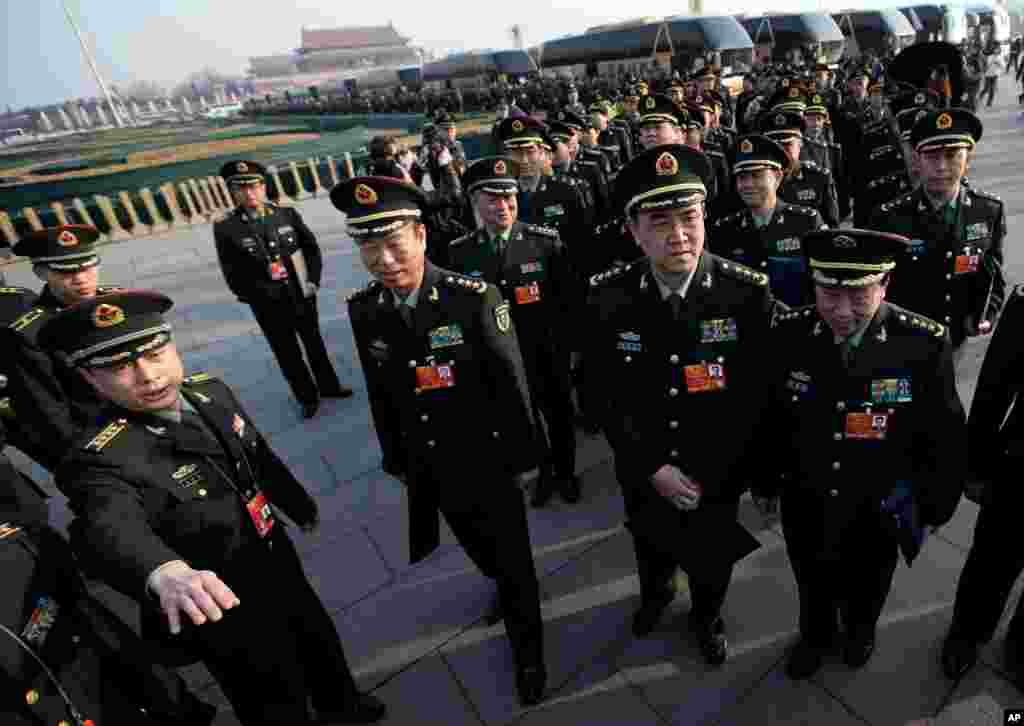
![Delegates from Chinese People's Liberation Army line up on Tiananmen Square as they prepare to walk toward the Great Hall of the People for the opening session of the National People's Congress, March 5, 2013.]()

![A delegate checks his mobile phone while officials' vehicles prepare to leave the Great Hall of the People after the opening session of the National People's Congress in Beijing, March 5, 2013.]()
ມະສິດໃນລະດັບສູງຂຶ້ນ ແກ່ບັນຫາຄຸນນະພາບຂອງຊີວິດ ແລະ
ສະພາບ ແວດລ້ອມ ໃນໄລຍະຫຼາຍປີຕໍ່ໜ້ານີ້ ແມ່ນແຕ່ໃນຂະນະ
ທີ່ຈີນກໍາລັງພະຍາ ຍາມຊຸກຍູ້ການພັດທະນາເສດຖະກິດຂອງຕົນ
ໃຫ້ກ້າວໄປໄກຍິ່ງຂຶ້ນ ແລະ ຍົກລະດັບການແຂ່ງຂັນຂອງເສດຖະ
ກິດທີ່ໃຫຍ່ອັນດັບສອງຂອງໂລກ ໃຫ້ສູງຂຶ້ນ. ຜູ້ສືຂ່າວວີໂອເອ
ວິລລຽມ ໄອດ໌ ມີລາຍງານເລຶ່ອງນີ້ເພີ່ມຕື່ມຈາກປັກກິ່ງ ຊຶ່ງທອງປານ ຈະນໍາມາສະເໜີທ່ານ.
ຄໍາປາໄສຄັ້ງສຸດທ້າຍຂອງນາຍົກລັດຖະມົນຕີ ເຫວິນ ເຈ້ຍ ບາວ
ຕໍ່ສະພາປະຊາຊົນຈີນ ເມື່ອອາທິດແລ້ວນີ້ ຊຶ່ງເປັນຄໍາປາໄສດົນ
100 ນາທີ ທີ່ເອີ້ນວ່າ “ລາຍງານການປະຕິບັດງານຂອງລັດຖະ
ບານ” ນັ້ນ ໂດຍສ່ວນໃຫຍ່ແລ້ວ ແມ່ນເປັນສີ່ງທີ່ໃຜໆກໍຄາດວ່າ
ຈະໄດ້ຍິນກັນ.
ໂດຍມີລາຍຊື່ອັນຍາວຢຽດຂອງສີ່ງທີ່ທ່ານເອີ້ນວ່າ ຜົນສໍາເລັດ
ຂອງຈີນໃນໄລຍະຫ້າປີຜ່ານມາ ເຊັ່ນການຮັບມືຢ່າງສໍາເລັດຜົນ
ຂອງປະເທດ ຕໍ່ວິກິດການການເງິນໂລກ ການສ້າງໜ້າວຽກໃນຕົວເມືອງຫຼາຍກວ່າ 58
ລ້ານວຽກ ບວກກັບການເປັນເຈົ້າພາບຈັດງານແຂ່ງຂັນກິລາໂອລິມປິກ ທີ່ປັກກິ່ງ ແລະ
ງານມະຫະກໍາໂລກ ທີ່ຊຽງໄຮ້.
ຜົນສໍາເລັດໃນດ້ານອື່ນໆນັ້ນ ທ່ານ ເຫວິນ ໄດ້ເອີ່ຍເຖິງສະຖິຕິການກໍ່ສ້າງຕ່າງໆ ໂຮມ
ທັງທາງລົດໄຟສາຍໃໝ່ຍາວເກືອບ 20.000 ຫຼັກ ແລະຖະໜົນຫົນທາງໃໝ່ ທີ່ມີໄລຍະ
ທາງລວມລາຍ ຫຼາຍກວ່າ 600.000 ຫຼັກ ທີ່ຖືກສ້າງຂຶ້ນໃນໄລຍະເວລາດັ່ງກ່າວ.
ທ່ານ ເຫວິນ ກ່າວຕໍ່ໄປວ່າ ເສດຖະກິດຈີນຈະສືບຕໍ່ເຕີບໂຕຂຶ້ນ ໃນອັດຕາທີ່ສະໝໍ່າ
ສະເໝີໃນປີນີ້ ຄືປະມານ 7 ເປີເຊັນເຄິ່ງ.
ນອກນີ້ແລ້ວ ທ່ານເຫວິນຍັງປະກາດວ່າ ອີກຄັ້ງນຶ່ງ ງົບປະມານໃຊ້ຈ່າຍດ້ານປ້ອງກັນ
ປະເທດຈະເພີ່ມຂຶ້ນ ໃນອັດຕາສອງຕົວເລກ ຄືປະມານ 119 ພັນ ລ້ານໂດລາສໍາລັບ
ປີ 2013 ນີ້ ແລະວ່າ ງົບປະມານໃຊ້ຈ່າຍສໍາລັບຄວາມໝັ້ນຄົງຢູ່ພາຍໃນປະເທດ
ແມ່ນຈະເກີນງົບປະມານທີ່ຈີນໃຊ້ສໍາລັບກອງທັບ ນັ້ນອີກ.
ແຕ່ແນວໃດກໍດີ ທ່ານເຫວິນເວົ້າວ່າ ຈີນຍັງປະເຊີນກັບຫຼາຍໆບັນຫາແລະວ່າປະຊາຊົນ
ບາງກຸ່ມຍັງດໍາລົງຊີວິດດ້ວຍຄວາມຍາກແຄ້ນຢູ່. ນອກນັ້ນ ການພັດທະນາທີ່ບໍ່ສົມດຸນ
ບໍ່ມີການປະສານງານທີ່ດີກັນ ແລະ ບໍ່ຍືນຍົງຖາວອນ ກໍຍັງຄົງເປັນບັນຫາທີ່ໂພ້ນເດ່ນ.
ສຽງພາສາຈີນກາງ.....
ທ່ານເຫວິນ ເວົ້າວ່າ ສັງຄົມຈີນ ແມ່ນໄດ້ປ່ຽນແປງໄປຢ່າງເລິກເຊິ່ງ ແລະບັນຫາສັງຄົມ
ກໍມີຫຼາຍຂຶ້ນ. ທ່ານກ່າວວ່າ ລັດຖະບານຕ້ອງຈະຕ້ອງເອົາໃຈໃສ່ ເຮັດໃຫ້ສະວັດດີການ ຄວາມຢູ່ດີກິນດີຂອງປະຊາຊົນ ເປັນຈຸດເລີ້ມຕົ້ນ ແລະເປັນເປົ້າໝາຍຂອງວຽກງານ
ທັງໝົດຂອງລັດຖະບານ ແລະຍົກໃຫ້ເປັນບຸລິມະສິດສູງກວ່າຢ່າງອື່ນ.
ນອກນີ້ ທ່ານເຫວິນ ຍັງເວົ້າອີກວ່າ ລັດຖະບານຄວນຈະເຮັດຫຼາຍຂຶ້ນເພື່ອສ້າງຄວາມ
ເຂັ້ມແຂງແກ່ການພິທັກປົກປ້ອງສະພາບແວດລ້ອມ ແລະຄຸ້ມຄອງສຸຂະພາບຂອງສາທາ
ລະນະ ແລະເຈົ້າໜ້າທີ່ຄວນຈະໃຫ້ຄວາມຫວັງແກ່ປະຊາຊົນ ໂດຍການປະຕິບັດງານ
ຢ່າງເປັນຮູບປະທໍາ.
ໃນໄລຍະບໍ່ເທົ່າໃດປີຜ່ານມາ ປະຊາຊົນຈີນໄດ້ພາກັນອອກປາກອອກສຽງ ຫຼາຍຂຶ້ນ ໃນການຮຽກຮ້ອງໃຫ້ມີ ອາກາດຫາຍໃຈແລະນໍ້າດື່ມນໍ້າໃຊ້ ທີ່ສະອາດຂຶ້ນ ມີອາຫານ
ການກິນທີ່ດີຂຶ້ນ ຢຸກຢາທີ່ປອດໄພຂຶ້ນ ແລະມີການບໍລິການດ້ານການແພດ ແລະສຸຂະ
ພາບທີ່ດີຂຶ້ນ. ປະຊາຊົນຫຼາຍໆຄົນເລີ່ມ ຕັ້ງຄໍາຖາມຂຶ້ນມາວ່າ ການພັດທະນາເສດຖະ
ກິດທີ່ເຕີບໂຕຢ່າງໄວຂອງຈີນນັ້ນ ມັນຄຸ້ມຄ່າຫຼືບໍ່ ກັບຜົນເສຍຫາຍທາງສັງຄົມ ທີ່ເກີດ
ແກ່ມະຫາຊົນ ແລະ ສະພາບແວດລ້ອມນັ້ນ.
ແຕ່ວ່າ ຄໍາປາໄສຂອງທ່ານ ເຫວິນ ບໍ່ໄດ້ລົງເລິກ ກ່ຽວກັບຫົວຂໍ້ນຶ່ງທີ່ລັດຖະບານເອງ
ໄດ້ໃຫ້ຄວາມສົນໃຈຄືນໃໝ່ເມື່ອບໍ່ດົນມານີ້ ກໍຄືບັນຫາການສໍ້ລາດບັງຫຼວງ ໃນວົງການ
ລັດຖະບານ.
ທ່ານ Hu Xingdou ອາຈານປະຈໍາສະຖາບັນເທັກໂນໂລຈີ່ປັກກິ່ງ ເວົ້າວ່າ ມັນບໍ່ແມ່ນ
ວ່າ ລັດຖະບານບໍ່ໄດ້ເຮັດຫຍັງເລີຍເພື່ອແກ້ໄຂບັນຫານີ້ ແຕ່ວ່າ ລັດຖະບານເອງກໍຕົກ
ຢູ່ໃນສະພາບທີ່ກືນບໍ່ໄດ້ ຄາຍບໍ່ອອກ.
ສຽງພາສາຈີນກາງ.....
ທ່ານ ຫູ ຊິງໂດ ເວົ້າວ່າ ເຫດຜົນທີ່ລັດຖະບານບໍ່ເອີ່ຍເຖິງຫົວຂໍ້ນັ້ນ ຫຼືບໍ່ຍົກເອົາມາເວົ້າ
ຫຼາຍປານໃດໃນເວລານີ້ ກໍຍ້ອນວ່າລັດຖະບານຮູ້ດີວ່າ ຖ້າເວົ້າອອກມາແລ້ວ ເຂົາເຈົ້າກໍ ຕ້ອງໄດ້ໃຊ້ວິທີການແກ້ໄຂສະໄໝໃໝ່ທີ່ເປັນລະບົບ ມາຈັດການກັບບັນຫານີ້ ເຊັ່ນການ
ບັງຄັບໃຫ້ເຈົ້າໜ້າທີ່ເປີດເຜີຍ ຊັບສິນຂອງພວກເຂົາເຈົ້າ ແຕ່ທ່ານຫູເວົ້າວ່າ ລັດຖະບານ ບໍ່ກ້າຈະເຮັດເຊັ່ນນັ້ນ ເພາະວ່າຖ້າເຮັດໄປ ປະຊາຊົນກໍຈະທວງໃຫ້ລັດຖະກອນທັງຫຼາຍ ເປີດເຜີຍຊັບສິນຂອງຕົນ ໃຫ້ສາທາລະນະຊົນຮູ້.
ອີງຕາມສະຖິຕິການສໍ້ລາດບັງຫຼວງໃນວົງການລັດຖະບານ ແມ່ນວ່າ ມີເຈົ້າໜ້າທີ່ລະດັບ ແຂວງຫຼາຍກວ່າ 740 ຄົນ ຖືກປົດອອກຈາກໜ້າທີ່ໃນໄລຍະຫ້າປີຜ່ານມາ ຍ້ອນສໍ້ລາດ ບັງຫຼວງ ແລະມີເຈົ້າໜ້າທີ່ລະດັບເມືອງ ຫຼາຍກວ່າ 9,000 ຄົນ ຖືກໄລ່ອອກ.
ເມື່ອປີຜ່ານມາ ທາງການໄດ້ພິຈາລະນາຄະດີສໍ້ລາດບັງຫຼວງ ຫຼາຍກວ່າ 33.000 ລາຍ
ຈາກໄລຍະລະຫວ່າງ ເດືອນມັງກອນ ຫາເດືອນພະຈິກ ຊຶ່ງພົວພັນນໍາຫຼາຍກວ່າ
46.000 ຄົນ ແລະໃນຈໍານວນທັງໝົດນັ້ນ ເກືອບ 2.500 ຄົນ ແມ່ນເປັນພະນັກງານລັດຖະບານ.
ພາບຈາກກອງປະຊຸມຫລວງ ຂອງພັກຄອມມິວນິສຈີນ:
ກອງປະຊຸມ ປະຈຳປີ ສະພາປະຊາຊົນແຫ່ງຊາດຈີນ
Delegates from across China have gathered in Beijing for a 13-day session of the National People's Congress that will complete China's once-a-decade leadership change.
ເບິ່ງຕື່ມອີກ
Show less
Delegates from across China have gathered in Beijing for a 13-day session of the National People's Congress that will complete China's once-a-decade leadership change.
ເບິ່ງຕື່ມອີກ
Show less
Delegates from across China have gathered in Beijing for a 13-day session of the National People's Congress that will complete China's once-a-decade leadership change.
ເບິ່ງຕື່ມອີກ
Show less
Delegates from across China have gathered in Beijing for a 13-day session of the National People's Congress that will complete China's once-a-decade leadership change.
ເບິ່ງຕື່ມອີກ
Show less
Delegates from across China have gathered in Beijing for a 13-day session of the National People's Congress that will complete China's once-a-decade leadership change.
ເບິ່ງຕື່ມອີກ
Show less
Delegates from across China have gathered in Beijing for a 13-day session of the National People's Congress that will complete China's once-a-decade leadership change.
ເບິ່ງຕື່ມອີກ
Show less
Delegates from across China have gathered in Beijing for a 13-day session of the National People's Congress that will complete China's once-a-decade leadership change.
ເບິ່ງຕື່ມອີກ
Show less